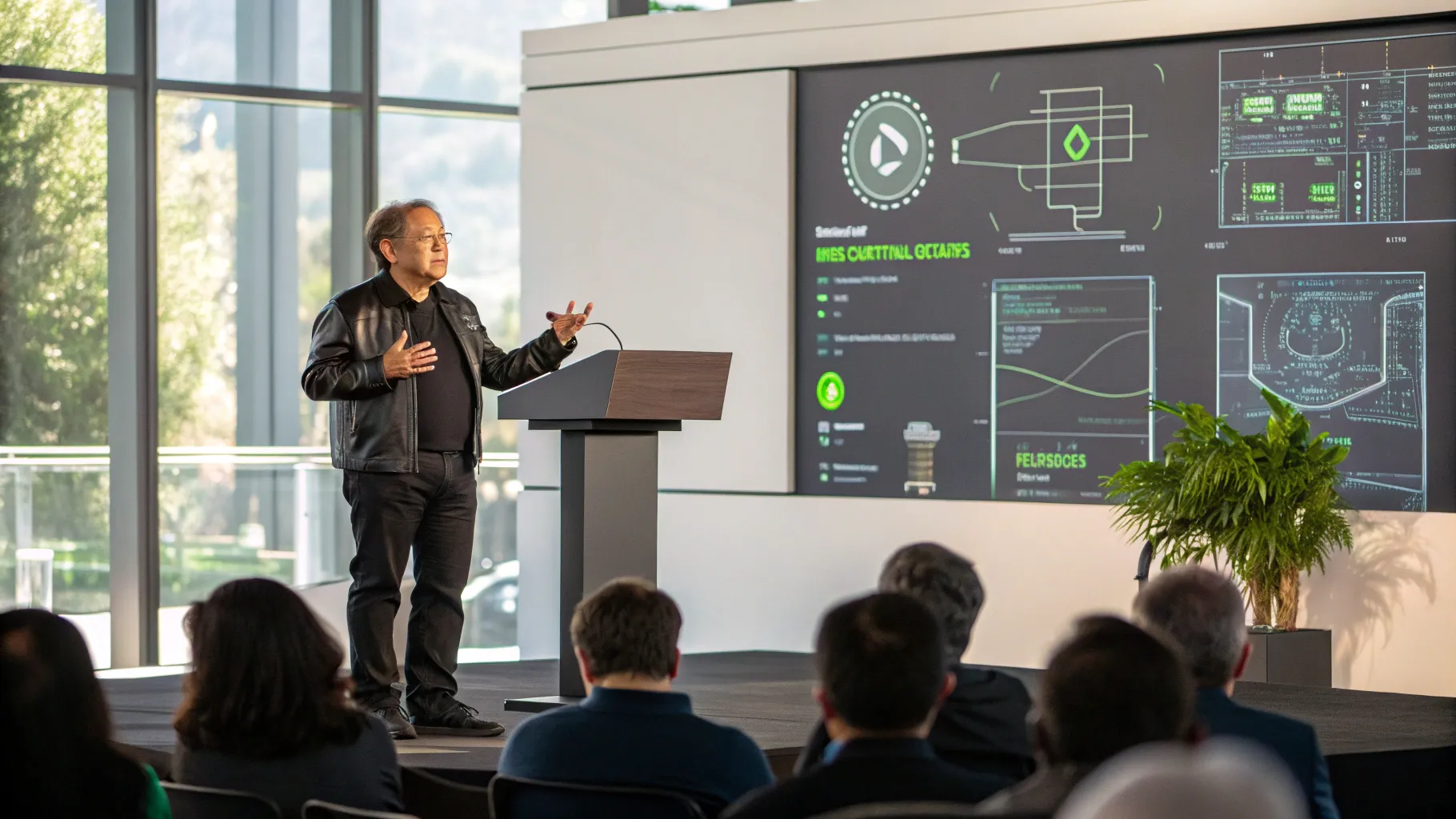
In a Fox interview, reporter Madison Alworth outlined her sit-down with Nvidia chief Jensen Huang, spotlighting the rising competition between the United States and China in artificial intelligence, the pressure on the job market, and the electricity needs behind new computing. The discussion aired on The Story with Martha MacCallum and comes as governments and companies bet on AI to boost growth and keep a strategic edge.
Alworth said the conversation centered on how chip supply, export controls, and training data can swing national advantages. She also noted the strain AI will place on power grids as companies scale up data centers. The segment framed AI as both a business driver and a national security concern.
Alworth said her interview with Huang examined the “U.S.–China AI race,” “workforce impact,” and the “massive energy demand” behind future innovation.
Geopolitics Shapes the AI Contest
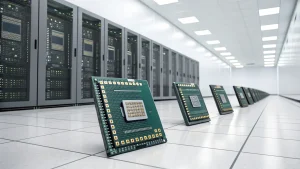
Huang’s company sits at the heart of the high-end chip market that trains and runs large AI models. In the segment, Alworth emphasized how policy choices can shape access to advanced processors and software. Export rules, licensing timelines, and supply chain chokepoints can influence which nations gain speed.
Analysts often point to three levers in this contest: talent, compute, and data. The interview, as described, touched two of them directly—compute and data center growth—through the lens of energy demand and chip availability. That connection matters for national goals, because shortages or delays can slow research and blunt commercial progress.
MacCallum’s program has often highlighted national security risk in tech supply. By placing Huang’s views in this context, Alworth focused attention on competition that blends industry strategy with geopolitics.
Jobs, Skills, and the Human Factor
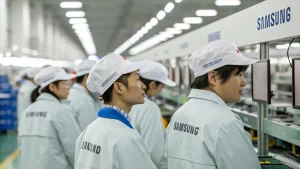
The segment raised questions about work. Alworth referenced “workforce impact,” indicating that hiring and training are top of mind for executives and workers. The near-term picture often includes automation of routine tasks and the creation of new roles in data, model tuning, and AI safety.
Huang has previously argued that AI will boost productivity, but that the gains will depend on reskilling. The interview framing suggests a similar theme: adoption will require training across many fields, from health care to manufacturing. The core risk is uneven access to tools and learning, which can widen gaps between large firms and smaller ones.
For employees, the safest path is to pair domain expertise with AI fluency. That means learning how to review model output, improve prompts, and manage data quality. It also means understanding privacy and compliance as AI spreads inside companies.
Powering the Next Wave of Computing
Alworth’s reference to “massive energy demand” reflects a rising concern among utilities, chipmakers, and cloud providers. Training large models and serving AI features to millions of users require dense clusters of servers. That draws on electricity and water for cooling, and raises planning needs for grid operators.
Huang’s vantage point gives him a clear view of this buildout. While the segment did not cite numbers, the direction is clear: data centers are expanding quickly, and power contracts are becoming a constraint. Locations with reliable energy, fiber connections, and supportive permitting may see the fastest growth.
Companies are exploring efficiency gains, including new chip designs, better server utilization, and advanced cooling. They are also seeking long-term power deals and more renewable sources. The timing of these projects will affect when new AI services reach the market.
What Stakeholders Should Watch
- Policy shifts that affect chip exports and investment flows.
- Utility plans for new capacity near data center hubs.
- Corporate training programs that blend AI tools with day-to-day work.
- Supply chain signals on advanced processors and networking gear.
Alworth’s segment suggests that these issues are converging. The U.S.–China contest may tighten supply routes, raising costs and extending delivery cycles. At the same time, energy limits could slow rollouts or push companies to regions with easier grid access. For workers, adoption speed will hinge on training budgets and clear rules for using AI.
As the market evolves, the biggest questions are execution and timing. Who secures the chips and the power first? Which firms turn pilots into profits without tripping on cost or policy risk? The interview’s themes point to a period where coordination between tech leaders, policymakers, and utilities will set the pace.
The takeaways are straightforward. AI is now a strategic race, not just a product cycle. Jobs will change, and training will decide who benefits. Power is the new bottleneck, and planning will separate winners from laggards. Watch for decisions on export policy, grid expansion, and workforce programs to shape the next year of AI growth.

Deanna Ritchie is a managing editor at DevX. She has a degree in English Literature. She has written 2000+ articles on getting out of debt and mastering your finances. She has edited over 60,000 articles in her life. She has a passion for helping writers inspire others through their words. Deanna has also been an editor at Entrepreneur Magazine and ReadWrite.