Nvidia introduced a tool that aims to simplify how AI agents are installed and secured across personal workstations and enterprise-grade systems. The tool, called NemoClaw, packages model installation and runtime setup into a single command, with privacy and security safeguards built in. It is designed to run on RTX PCs, DGX Station, and DGX Spark, signaling a push to make autonomous agents easier to deploy on Nvidia hardware.
The move matters as enterprises race to adopt agent-style AI that can plan, act, and integrate with local and cloud data. By bundling installation and guardrails, Nvidia is targeting a frequent barrier to adoption: setup complexity and data risk.
What Was Announced
NemoClaw installs Nemotron models and the OpenShell runtime onto the OpenClaw agent platform in one step. That reduces the manual work required to configure agents and link them to system resources. The company emphasized that the package adds privacy and security controls for autonomous agents.
“NemoClaw installs Nemotron models and the OpenShell runtime onto the OpenClaw agent platform in a single command, adding privacy and security guardrails to autonomous AI agents running on RTX PCs, DGX Station and DGX Spark.”
The statement signals a bundled approach: models, runtime, platform integration, and guardrails. It also points to local and on-premises deployment, which has become attractive for teams that need predictable performance and data control.
Why It Matters: Privacy and Security
As agent systems handle files, credentials, and tools, the risk of data leakage or misuse rises. Centralized guardrails can restrict what agents access and log, and can enforce review steps for sensitive actions. Packaging these controls with setup may cut time to compliance reviews, a frequent bottleneck for production rollouts.
For organizations exploring agents for software help, research, or workflow automation, on-device or on-prem deployment can limit exposure to external services. Nvidia’s focus on RTX PCs and DGX hardware suggests an effort to anchor agent compute near the data while keeping performance high.
How It Works and Where It Runs
NemoClaw appears to automate three pieces: fetching Nemotron models, configuring the OpenShell runtime, and attaching both to the OpenClaw platform. A single-command approach reduces the risk of misconfiguration across drivers, runtime versions, and model files.
- Models: Nemotron family for AI tasks.
- Runtime: OpenShell to execute agent actions.
- Platform: OpenClaw to manage and coordinate agents.
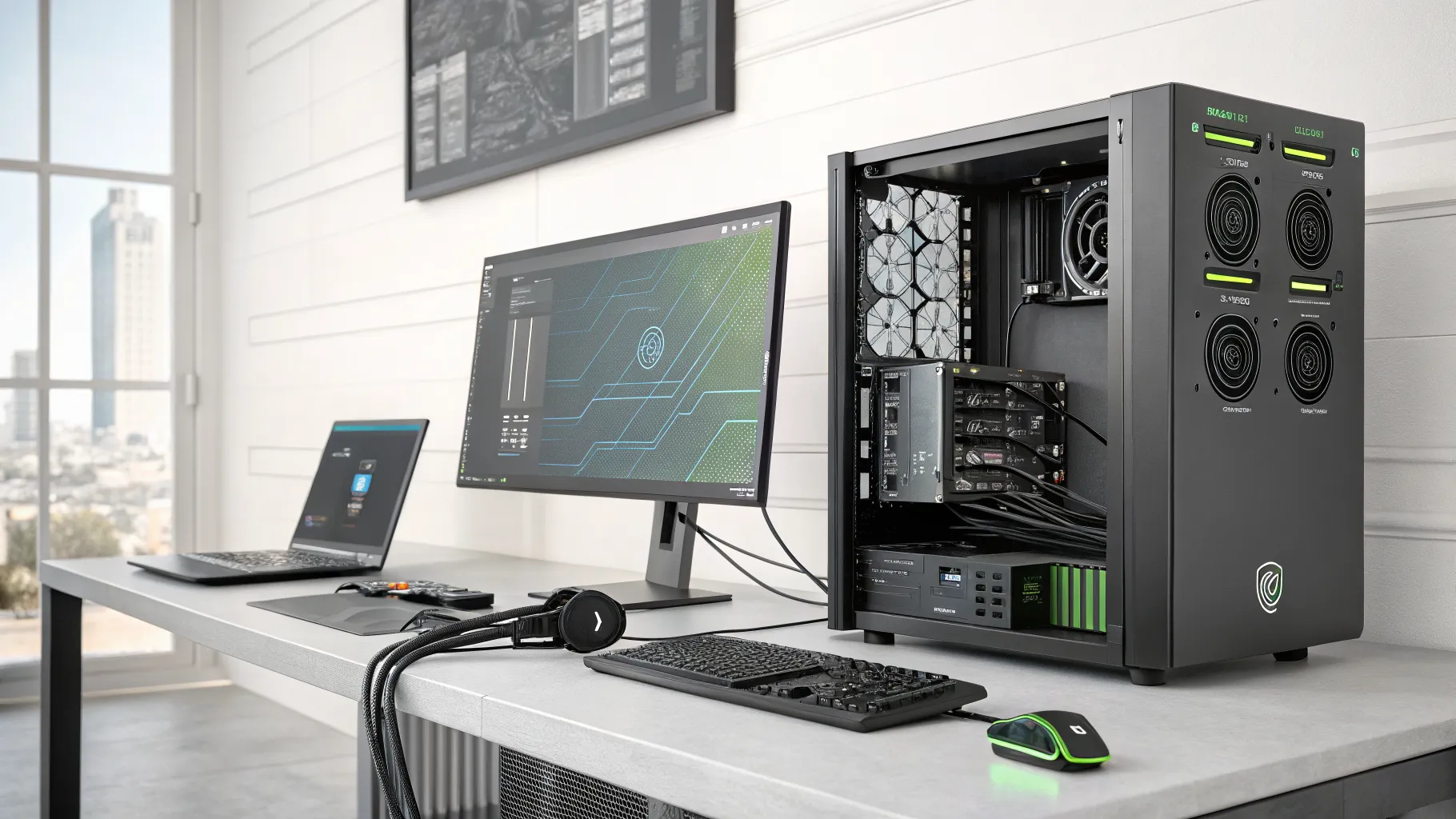
Supported hardware spans consumer and enterprise tiers. RTX PCs suit developers and small teams. DGX Station targets advanced local AI work. DGX Spark, cited alongside them, indicates a path for larger deployments within Nvidia’s ecosystem.
Market Context and Adoption Trends
Companies have been testing autonomous agents for customer support, coding assistance, and content curation. Yet many pilots stall because of setup friction and unclear security controls. Tools that compress installation steps and standardize permissions can speed trials and reduce operations load.
Local deployments also align with efforts to lower latency, contain costs, and comply with data policies. Rival offerings mix cloud convenience with enterprise controls, but interest in on-prem options has grown for regulated sectors such as finance and health.
What to Watch Next
Key questions include how fine-grained the guardrails are, how they audit agent actions, and whether policy templates exist for common use cases. Performance across RTX PCs and DGX tiers will also guide adoption, especially for teams that start on a desktop and later scale to racks.
Integration with developer workflows matters as well. A smooth path from prototype to production, with consistent policies, could lower the handoff risk between research and IT. If NemoClaw supports repeatable builds and versioning, that would help larger teams manage change over time.
NemoClaw’s one-command setup and bundled safeguards target two stubborn barriers to agent deployment: complexity and risk. If execution matches the pitch, teams could move faster from demos to pilots on local hardware. The next phase will hinge on policy depth, documentation, and real-world benchmarks across RTX PCs, DGX Station, and DGX Spark. Enterprises will watch for proof that simpler installation can pair with tighter control without trading off speed or accuracy.

Rashan is a seasoned technology journalist and visionary leader serving as the Editor-in-Chief of DevX.com, a leading online publication focused on software development, programming languages, and emerging technologies. With his deep expertise in the tech industry and her passion for empowering developers, Rashan has transformed DevX.com into a vibrant hub of knowledge and innovation. Reach out to Rashan at [email protected]