OpenAI is pressing the United States to add 100 gigawatts of new energy capacity each year, a call that has stirred debate in energy and tech circles. The push, aired on Fox Business by reporter Madison Alworth, reflects the surge in power demand from artificial intelligence data centers and concern over China’s rapid progress. The appeal lands as utilities, regulators, and developers face tight timelines, strained grids, and supply chain limits.
“OpenAI’s call to expand U.S. energy capacity by 100 gigawatts annually [is meant] to sustain AI development and keep pace with rapid advances from China,” Madison Alworth reported.
Why AI Is Driving Power Demand
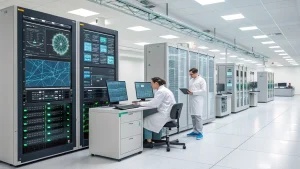
Training and running large AI models require vast computing clusters. These server farms run nonstop and need stable, low-cost electricity. Power demand from data centers has been climbing for years. Utilities in several states have revised forecasts upward to reflect new projects tied to cloud and AI use. Industry analysts say fresh capacity must align with grid reliability and price stability, or AI costs will rise and projects will slow.
The Scale of 100 Gigawatts
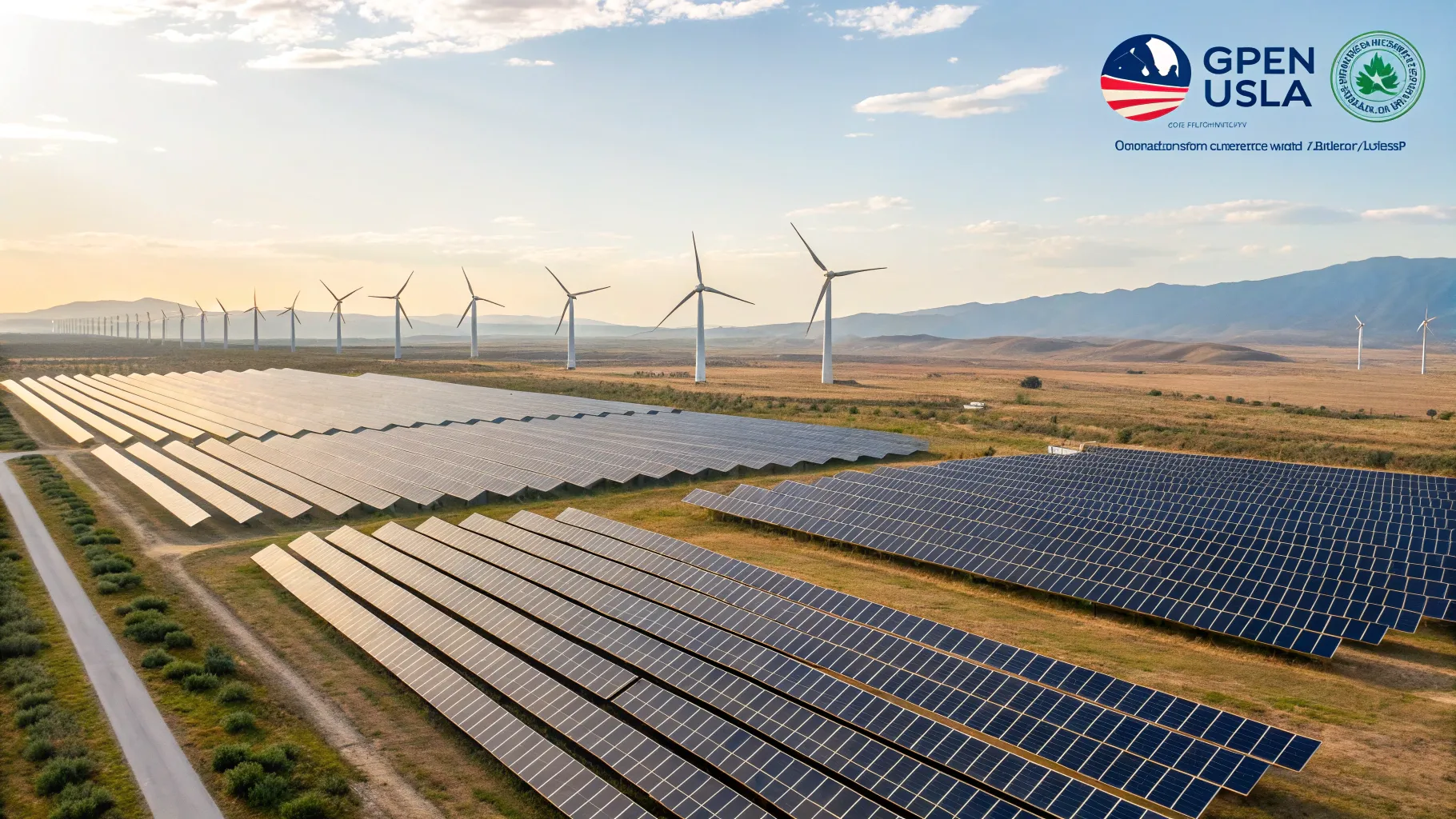
Adding 100 GW per year would dwarf recent U.S. additions. In the past few years, the country added on the order of a few dozen gigawatts annually, led by solar, wind, and gas. The entire U.S. grid has on the order of a thousand gigawatts installed. Hitting 100 GW each year would mean:
- New capacity equal to dozens of large power plants every year.
- Major expansion of transmission lines to move power to big data hubs.
- Rapid deployment of storage to manage variable wind and solar output.
Energy experts note that supply chains, labor, and siting limits make such a pace hard in the near term. Steel, transformers, semiconductors, and high-voltage equipment are already tight.
Permitting, Siting, and Grid Bottlenecks
Even when projects are financed, many stall in queues for grid interconnection studies. Permitting for transmission can take years. Communities often object to large wind and solar sites, and to new gas plants. Regulators must balance speed with reliability and local impacts. Policy proposals in Congress and federal agencies aim to shorten timelines, but results have been uneven so far.
What Mix of Energy Could Meet the Target?
OpenAI’s call does not prescribe a specific mix. Industry voices point to a blend of clean and firm power to support data centers:
Clean power such as solar and wind can be built at scale and have seen falling costs. But their output varies by time of day and weather. Battery storage helps, yet long-duration storage remains limited.
Firm power such as natural gas, nuclear, hydro, and geothermal can run when needed. New nuclear interest is rising, yet small modular reactors are still in early stages. Gas offers speed and flexibility but raises emissions concerns unless paired with carbon capture.
Some data center operators are signing long-term deals for clean power and exploring on-site generation. Others are seeking dedicated lines from new plants to ensure uptime.
Costs, Emissions, and Community Impact
Building 100 GW per year would require hundreds of billions of dollars over time. Who pays—ratepayers, taxpayers, or data center firms—will be a central fight before state commissions and FERC. Emissions outcomes depend on the mix. A clean-heavy buildout would cut grid emissions, while gas-heavy additions would raise them unless offset. Communities near proposed projects are pressing for job guarantees, local tax revenue, and protections on land use and water.
The China Factor and Strategic Pressure
Madison Alworth tied OpenAI’s push to competition with China. Beijing has scaled its own data center plans, backed by state policy and large investments in power and manufacturing. U.S. officials worry that limited domestic capacity could shift AI gains overseas. That concern is fueling calls for more transmission, faster permits, and domestic manufacturing of grid equipment.
What To Watch Next
Key signals will come from federal permitting reforms, utility resource plans, and corporate power contracts. Investors will track whether nuclear projects move off the drawing board and whether battery storage grows faster. States with large data center clusters—such as Virginia, Ohio, and Texas—will test how quickly grids can expand without higher outage risk.
OpenAI’s message is clear: AI growth hinges on power. The open questions are how fast the U.S. can build, what mix will prevail, and who will carry the cost. Decisions made in the next two years will shape the grid—and the AI race—for the decade ahead.

Kirstie a technology news reporter at DevX. She reports on emerging technologies and startups waiting to skyrocket.