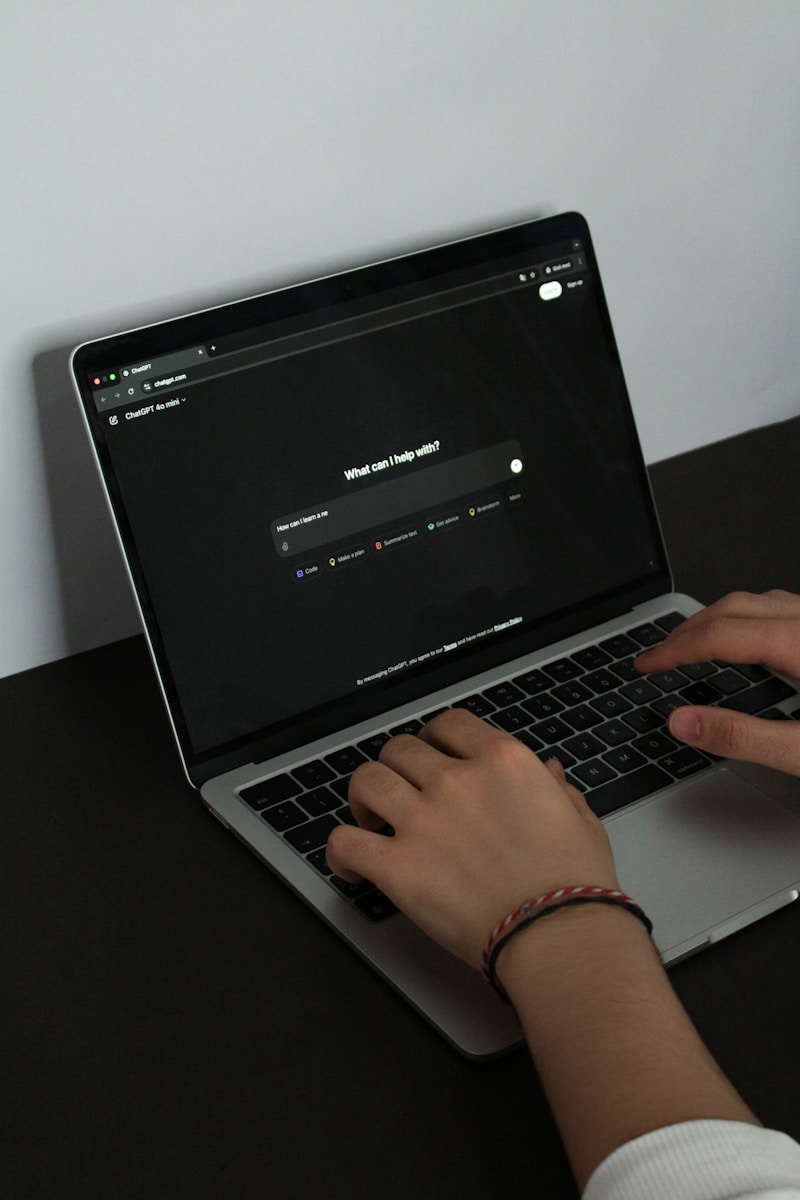
After leaving a series of medical appointments without clear answers, Oliver Moazzezi did something more patients are trying: he asked an artificial intelligence tool what might be wrong. His search for clarity highlights a growing trend in health care as people seek second opinions from algorithms when they feel stuck.
The episode raises urgent questions for doctors, technologists, and regulators. When did software become a backstop for clinical uncertainty? And how should patients use these tools without risking harm?
A Personal Turning Point
“Oliver Moazzezi turned to AI for a diagnosis after feeling unsatisfied with what doctors told him.”
Moazzezi’s experience reflects a common frustration. Patients want clear explanations and a plan. When those are missing, many turn online. Today that search no longer ends with static webpages. It now includes conversational systems that can summarize symptoms, cite possible causes, and suggest follow-up steps.
For some, that feedback offers reassurance. For others, it fuels more questions. In both cases, it reshapes the patient’s next visit with a clinician.
Why Patients Are Asking Machines
The appeal is speed and access. AI tools respond at any hour. They can summarize long articles and compare symptom patterns in moments. For people facing waitlists or brief appointments, that is tempting. Patients also report that AI responses feel thorough and less rushed.
Clinicians see the same trend in their exam rooms. They say patients arrive with AI printouts and pointed questions. Some doctors welcome the engagement. Others worry about accuracy and the time it takes to explain why an AI suggestion may not fit the case.
Benefits and Risks
Supporters say AI can help patients prepare for appointments, list questions, and track symptoms. It can also flag warning signs that deserve urgent care. In that sense, it can act as a checklist.
But there are clear limits. AI systems can be wrong, overconfident, or incomplete. They do not examine patients, order tests, or see subtle signs in person. They may also miss rare conditions or overemphasize common ones. Privacy is another concern, as symptom details can be sensitive.
Doctors urge patients to use such tools as a starting point, not a final verdict. They stress that diagnosis depends on history, exam findings, and tests that software cannot perform.
How Clinicians and Developers Respond
Health professionals are adapting. Some practices now ask patients to share any AI outputs upfront, so the care team can review them together. This can focus the visit on the most pressing issues. It can also correct errors quickly.
Meanwhile, developers are adding disclaimers and links to clinical guidance. They warn users that the information is not a substitute for care. Some tools now suggest “safety net” advice, such as seeking urgent help for severe or worsening symptoms.
Policy and Practical Steps
Regulators are watching. They are weighing when symptom checkers count as medical devices and how to test them. Medical groups urge clear labeling, transparent training data, and guardrails to reduce risk.
For patients, a few practical steps can reduce confusion:
- Bring AI summaries to appointments and ask the doctor to review them.
- Use AI to organize symptoms and timelines, not to self-treat.
- Seek urgent care for red-flag symptoms, regardless of an online result.
What This Means for Care
Moazzezi’s choice reflects a shift in how people seek health answers. AI can widen access to information and help patients feel heard. It can also strain visits if claims are inaccurate. The best outcomes seem to come when patients and clinicians treat AI as a tool to structure conversation, not as a verdict.
As systems improve and standards mature, the goal will be clear guidance, safer outputs, and better integration with clinical care. For now, the safest path is partnership. Patients can bring their questions. Clinicians can explain what fits, what does not, and what to do next.
Moazzezi’s search for answers points to a simple truth: people want clarity. The health system, and the tools that support it, must help them find it without adding risk. Watch for tighter rules, clearer labels, and more doctors inviting AI-aided questions into the exam room.

Rashan is a seasoned technology journalist and visionary leader serving as the Editor-in-Chief of DevX.com, a leading online publication focused on software development, programming languages, and emerging technologies. With his deep expertise in the tech industry and her passion for empowering developers, Rashan has transformed DevX.com into a vibrant hub of knowledge and innovation. Reach out to Rashan at [email protected]