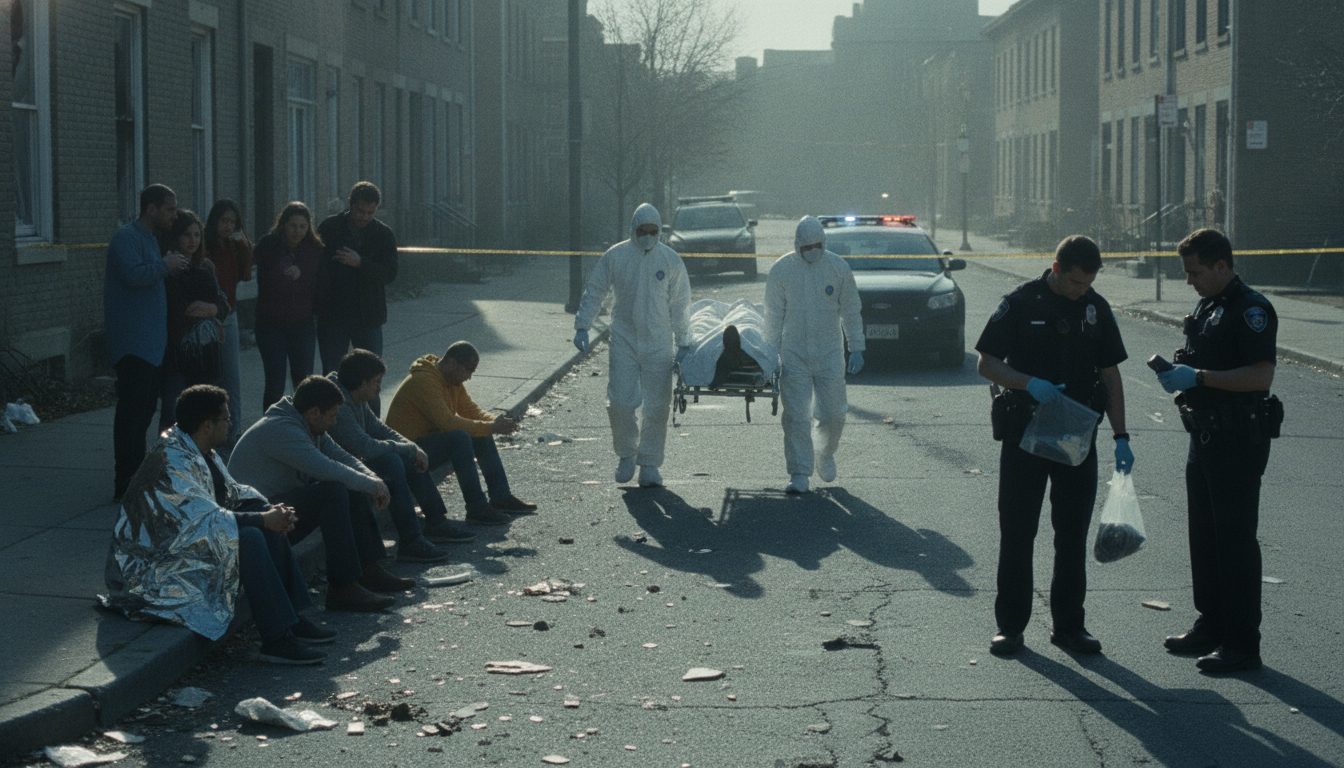
Three people were killed and seven others were injured in a shooting that authorities said they are still working to understand. The incident, reported on Friday, left investigators searching for a motive while families and neighbors waited for answers. Police said the inquiry is active and ongoing, and they have not released information about a suspect’s intent.
The attack adds to recurring concerns about public safety and access to swift medical care in the first hours after gunfire. Officials often caution that early details can change as evidence is reviewed. The focus now is on gathering statements, examining surveillance footage, and reconstructing the sequence of events to learn why it happened.
What Authorities Have Confirmed
The shooting left three dead and seven others wounded. Authorities said on Friday they are still investigating a motive.
Investigators have not announced arrests related to the case. They said more information would be released when verified and when doing so would not affect the investigation. Police usually coordinate with local hospitals and prosecutors to match witness accounts with physical evidence such as shell casings and ballistics.
How Investigations Typically Unfold
Detectives begin by securing the scene and collecting forensic evidence. They document injuries, map bullet trajectories, and review any nearby video. They also canvas for witnesses and review previous calls for service in the area. The goal is to establish a clear timeline and identify a suspect or suspects.
When a motive is unclear, investigators look at personal relationships, recent disputes, social media activity, and any history of threats. They also assess whether the incident was targeted or random. These steps help determine if the public faces an ongoing risk.
- Forensics: ballistics, fingerprints, and digital evidence.
- Witness interviews and tip line reviews.
- Victimology to understand potential links among those harmed.
Community Impact and Immediate Response
Mass casualty shootings strain emergency rooms and first responders. Doctors must triage quickly to stop bleeding and stabilize patients. Cities often activate crisis teams to offer mental health support for survivors and witnesses. Schools, workplaces, and houses of worship may adjust schedules or add security while police carry out their work.
Neighborhood leaders usually call for calm and patience. They urge residents to share any credible information with investigators. Community centers and nonprofits often arrange vigils and counseling sessions to help people process grief.
Why Motive Can Be Hard to Determine
Even with clear physical evidence, intent can be difficult to prove. Some cases hinge on digital traces or private communications that take time to obtain through legal process. If the suspect is not in custody, investigators must balance transparency with tactics that protect leads.
Experts say early speculation can complicate cases. False claims spread quickly online, and correcting them takes time. Police typically release only what they can confirm, which can frustrate families seeking closure but helps preserve the integrity of the case.
Trends and Broader Context
While each incident is unique, cities across the country have refined protocols to speed trauma care and coordinate law enforcement. Many hospitals conduct regular drills. Law enforcement agencies share lessons from previous attacks, including how to manage large scenes, communicate with the public, and support victims’ families.
Research into violence prevention points to several areas of focus. These include conflict mediation programs, threat assessment teams, safe storage campaigns, and early intervention for people in crisis. Officials often encourage residents to report warning signs to authorities or trusted community partners.
What Comes Next
Officials are expected to provide updates as they verify facts. That could include the condition of the wounded, any suspect information, and whether the shooting was targeted. Prosecutors will review evidence to decide on potential charges if an arrest is made.
Residents can expect a larger police presence in the short term and possible road closures near the scene. Community groups may organize support services, including counseling and legal aid for affected families.
The latest developments point to an intensive period of evidence gathering. More clarity should follow as investigators complete interviews and forensic tests. For now, the focus remains on healing for the injured, support for grieving families, and a careful search for answers about why this violence occurred.

A seasoned technology executive with a proven record of developing and executing innovative strategies to scale high-growth SaaS platforms and enterprise solutions. As a hands-on CTO and systems architect, he combines technical excellence with visionary leadership to drive organizational success.