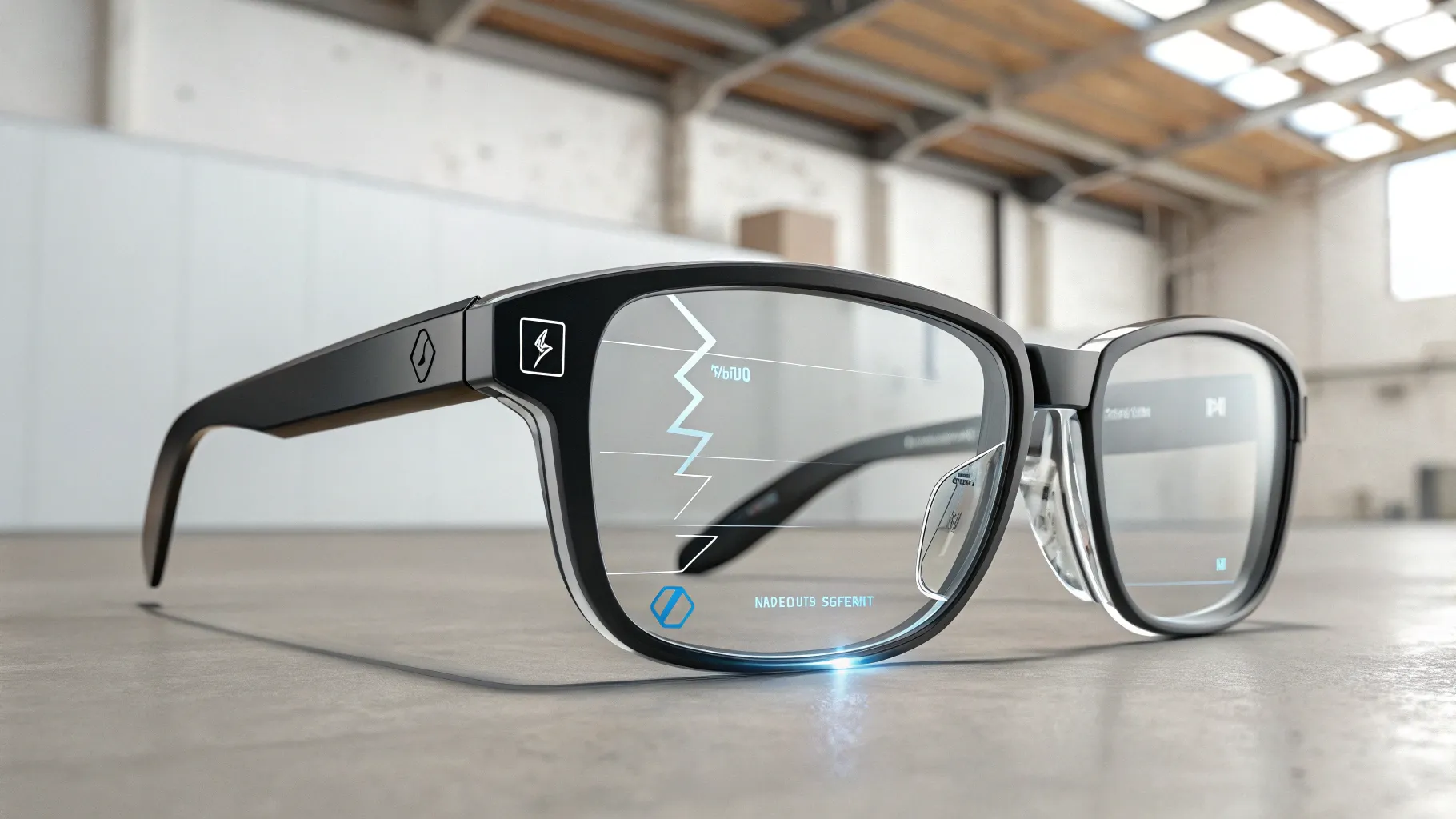
A new prototype promises a fresh take on bifocals, using liquid crystals and small electric fields to change focus for near and far vision on demand. The device, shown in early testing this week, is designed to help people with presbyopia toggle between modes instead of relying on fixed zones in traditional lenses.
The approach pairs liquid crystal layers with low-voltage controls embedded in eyeglass frames. By shifting the electric field, the lenses switch their optical power, bringing either a nearby page or a distant street sign into clear view. Researchers say the goal is simple: reduce eye strain and simplify daily life.
A prototype of bifocal eyeglasses uses liquid crystals and electric fields to switch between modes that aid in nearby and distance vision.
Why This Matters
Presbyopia affects more than a billion people worldwide, usually starting in the 40s. Reading glasses, bifocals, and progressive lenses are the common fixes. But each comes with trade-offs. Wearers often report head tilting, limited fields of clear view, or distortion at lens edges. Electronic focusing aims to remove those compromises by letting the lens change with the task.
Past efforts to electrify eyeglasses have surfaced before, but few moved beyond small markets or long-term trials. Battery life, weight, durability, and cost have been persistent hurdles. The latest prototype suggests that maturing liquid crystal components and low-power electronics could make a lighter and more practical design possible.
How the Switching Works
Liquid crystals change how light passes through when an electric field is applied. In the lens, these changes adjust focus without moving parts. That makes the system thinner than mechanical alternatives and potentially more reliable. Low-voltage control signals, likely managed by a tiny onboard chip, set the lens to a near or far mode.
While technical details remain limited, the concept aligns with long-standing display and optics research. Liquid crystal layers can be patterned to shape light precisely. The promise here lies in combining that precision with a simple user action—such as a tap on the frame or automatic detection of where the wearer is looking.
Potential Benefits for Wearers
Advocates say the device could improve comfort for people who switch tasks frequently, such as reading a phone, then glancing up to drive. Lens zones would no longer dictate head posture. Depth of field might feel more natural because the entire lens can match the current need.
For workers in healthcare, manufacturing, or logistics, faster focus changes could reduce errors and fatigue. The technology might also pair well with safety eyewear or augmented displays, where adjustable focus is key to clarity and comfort.
Open Questions and Trade-Offs
- Battery life: Can a single charge last a full day?
- Weight and thickness: Will the frames feel like normal glasses?
- Optical quality: How do they compare to high-end progressives?
- Durability: Do liquid crystal layers stand up to heat, drops, and scratches?
- Price: Will insurance or employers help cover costs?
Any new eyewear must also meet safety and performance standards, including impact resistance and optical clarity tests. Repairability and long-term maintenance will matter for clinics and consumers alike.
Industry Context and Adoption
Interest in electronically adjustable optics has grown as components shrink and power demands drop. Similar ideas have appeared in camera modules, phone displays, and headsets. Eyewear adds daily wear challenges, but it also offers a large market and clear use case. If the prototype can reach reliable manufacturing at a reasonable cost, it could compete with premium progressives or office lenses.
Early adopters may include tech-forward consumers and professionals who switch between screens, documents, and distant targets many times an hour. Broader adoption will depend on comfort, style, and whether users see fewer headaches or less neck strain.
What Comes Next
To move ahead, the team will need clinical testing with diverse wearers, side-by-side comparisons with existing lenses, and real-world trials across work and leisure settings. Feedback on glare, color shift, and performance in bright sunlight will be especially important. Integration with photochromic layers or sunglasses could broaden appeal.
The debut marks another step in the search for eyeglasses that adapt like the human eye. If the device proves durable and affordable, it could change how presbyopia is managed. For now, the promise is clear: simple switching, sharper vision, and fewer compromises.
Watch for updates on testing timelines, battery performance, and partnerships with eyewear makers. Those factors will determine whether these lenses move from lab benches to store shelves—and how soon wearers may gain a new way to see.

Rashan is a seasoned technology journalist and visionary leader serving as the Editor-in-Chief of DevX.com, a leading online publication focused on software development, programming languages, and emerging technologies. With his deep expertise in the tech industry and her passion for empowering developers, Rashan has transformed DevX.com into a vibrant hub of knowledge and innovation. Reach out to Rashan at [email protected]