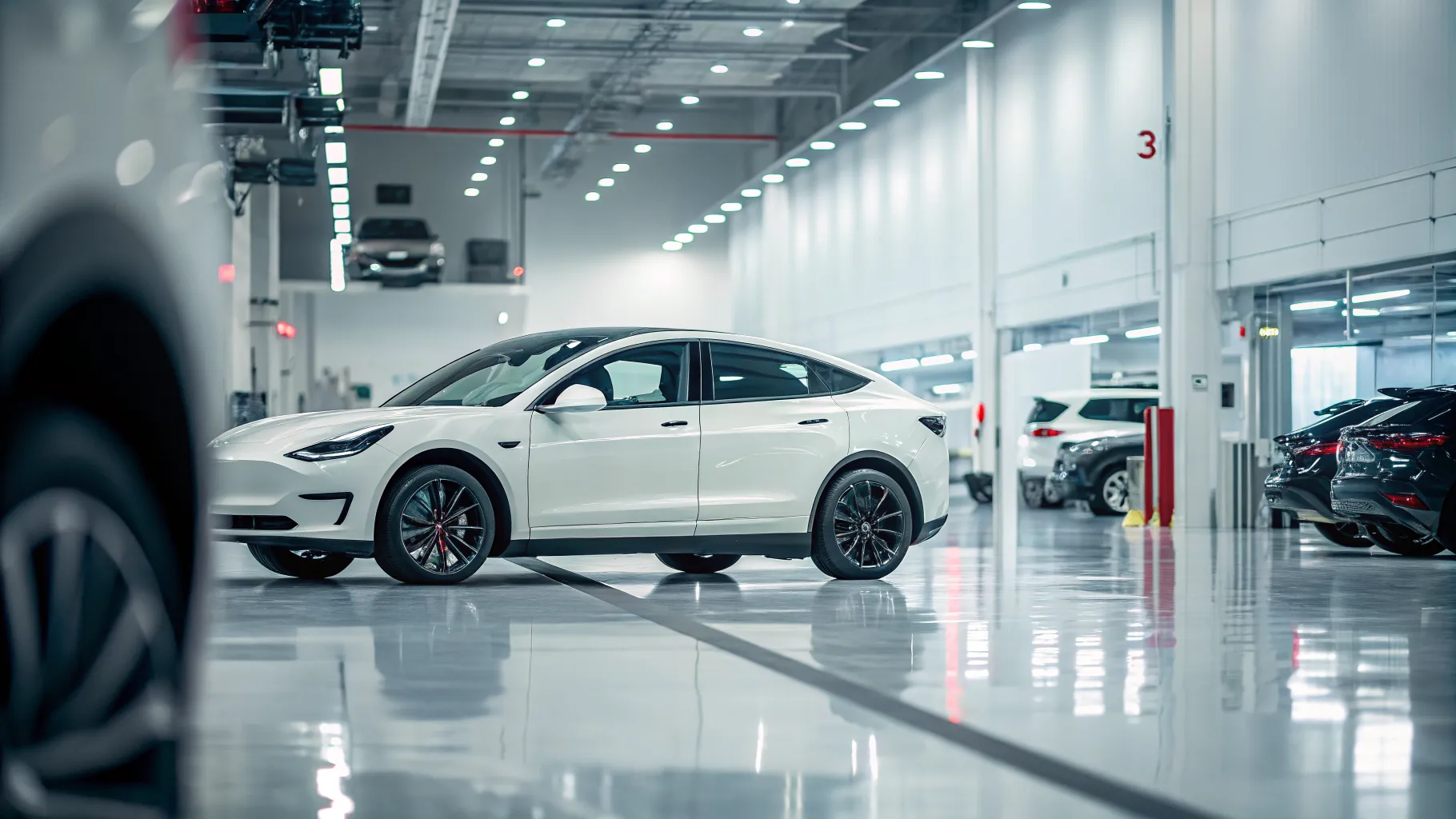
Fresh financial results landed just after a major carmaker scaled back its electric vehicle plans, signaling a cautious reset in a market once seen as a sprint. The company said the change reflects shifting demand, rising costs, and the need to protect margins. The update arrived this week, with executives outlining a slower pace for pure EV rollouts and more room for hybrids. Investors and workers are watching to see if the plan can hold in a year of intense price pressure and policy shifts.
Earnings Arrive Amid Strategy Reset
The company linked its near-term goals to a broader shift across the auto sector. Leaders framed the decision as a way to match products with customer budgets and charging access. They also cited uncertainty around interest rates and supplies of key materials.
“The results come shortly after the auto giant scaled back its EV ambitions following a major strategic shift.”
Management did not walk away from EVs. Instead, they stretched timelines, focused on profitable trims, and emphasized flexible factories. That approach targets steadier cash flow while the market develops.
Background: A Cooling But Growing Market
Global electric car sales have grown each year, but the pace has varied by region. Incentives, fuel prices, and charging networks shape demand. Pricing wars have also squeezed margins for many models as automakers chase scale.
The International Energy Agency reported that more than 14 million electric cars were sold in 2023. That represented a larger share of global new car sales than ever before, even as growth rates diverged across markets. Automakers have been racing to reduce battery costs and improve charging speeds to widen adoption.
Market Forces Behind the Slowdown
Executives cited several pressures weighing on a rapid EV expansion. Dealers report that many buyers want lower prices and clearer charging options. Fleets continue to move ahead, but retail buyers often pick hybrids for price and convenience.
- High interest rates have raised monthly payments on new cars.
- Charging access remains uneven in many suburban and rural areas.
- Battery material costs and logistics add volatility to pricing.
- Competition from lower-priced models has intensified, especially in compact segments.
Policy changes also matter. Shifts in tax credits, import rules, and emissions targets can quickly change a model’s business case. Companies now weigh these moves before committing capital to large EV-only plants.
Reactions From Investors, Workers, and Advocates
Investors tend to favor the balanced path if it protects near-term returns. A slower buildout can reduce the risk of inventory gluts and discounting. Some analysts say flexible platforms that support both hybrid and battery models could keep costs in check.
Workers are looking for clarity on plant schedules and training. A measured shift may allow more time to reskill staff for battery and software roles. Unions have asked for firm timelines and safeguards as factories retool.
Environmental groups worry that slower EV timelines could delay emissions cuts. They argue that faster charging installs and stronger standards are needed to keep targets on track. They also warn that lagging regions may fall behind on clean air goals without steady EV growth.
What Changes on the Factory Floor
Supply chain plans are likely to spread out over more years. Battery partnerships may focus on fewer high-volume cells to cut complexity. Software teams will push over-the-air updates to extend the life and value of current models.
Retail strategy will matter more. Clear pricing, transparent total cost of ownership, and reliable service can help win hesitant buyers. Leasing and creative financing may ease sticker shock while interest rates stay high.
Outlook: A Slower Lane, Not a U-Turn
The company’s move signals a slower lane, not a reversal. Hybrids may carry more of the load in the next two years, while EV costs drift lower. Analysts expect a tighter focus on segments where charging is strong and price points match demand.
Key signs to watch include battery price trends, charging uptime, and policy signals from major markets. If those improve, companies can speed plans with less risk. For now, a balanced lineup aims to keep profits intact while the EV market keeps maturing.
The latest results show management leaning into flexibility. The big question is whether that balance can satisfy investors, customers, and regulators at the same time. The next quarters will reveal if the strategy holds under rising competition and shifting incentives.

Rashan is a seasoned technology journalist and visionary leader serving as the Editor-in-Chief of DevX.com, a leading online publication focused on software development, programming languages, and emerging technologies. With his deep expertise in the tech industry and her passion for empowering developers, Rashan has transformed DevX.com into a vibrant hub of knowledge and innovation. Reach out to Rashan at [email protected]