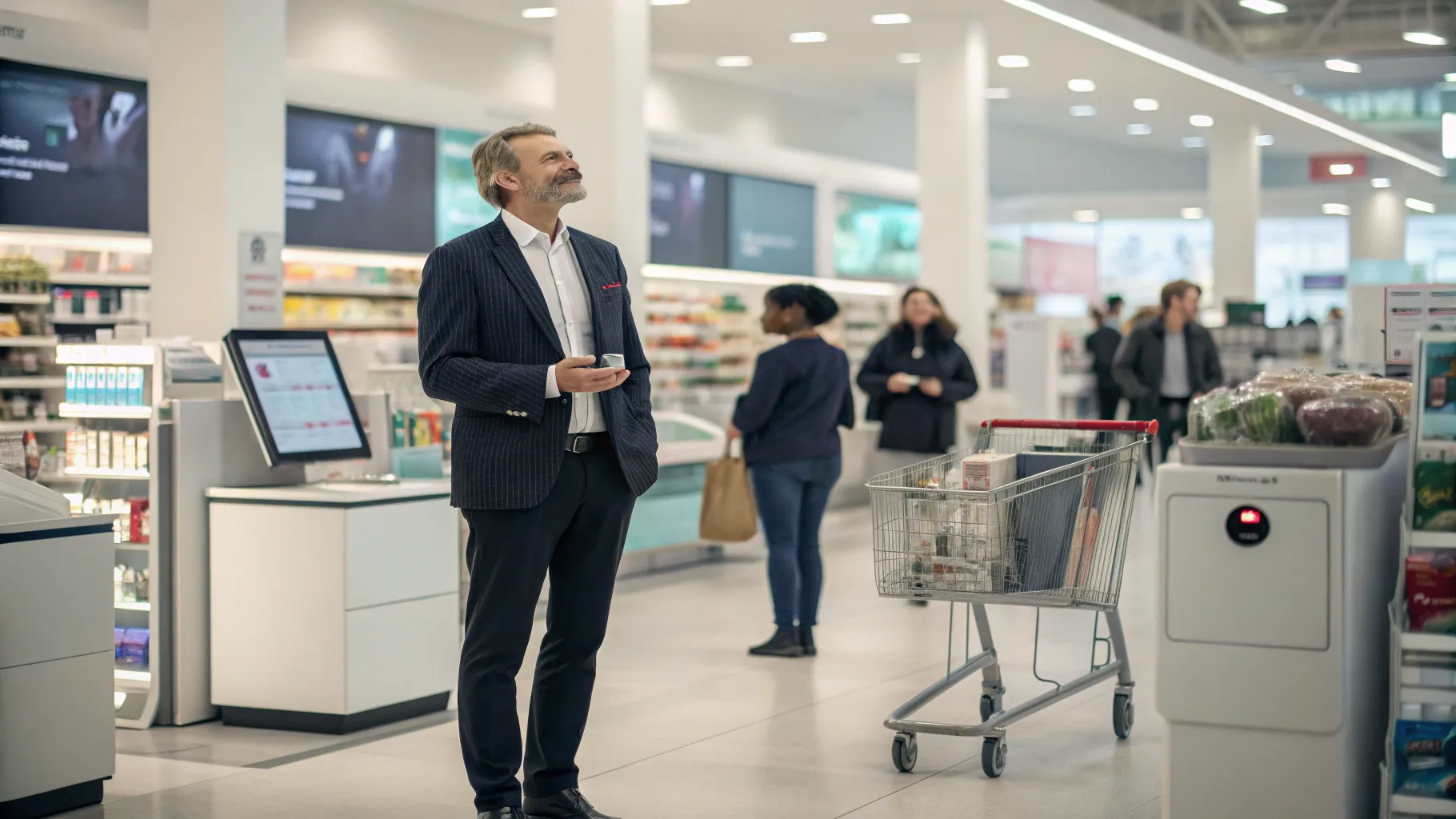
Retail’s biggest weekend is set to test consumer appetite and new store technology, as National Retail Federation President and CEO Matt Shay outlined in a televised interview on Varney & Co. He discussed expectations for Black Friday performance, how shoppers are changing their habits, and why artificial intelligence is moving from pilot programs to day-to-day retail work. His comments point to a season shaped by price sensitivity, earlier promotions, and tighter execution by merchants.
Black Friday Outlook
Shay signaled that retailers prepared for heavy traffic across both stores and websites. He noted that promotions began earlier than in past years, a sign that retailers want to spread demand and avoid bottlenecks. That cadence also reflects consumers seeking deals before the holiday rush.
Retailers have focused on inventory balance after pandemic-era swings. Many chains entered the season with leaner stock to reduce markdown risk, yet with enough depth in key gift categories like electronics, toys, beauty, and home goods. Curbside pickup and ship-from-store are positioned to ease last-mile pressure and keep delivery promises.
While he did not offer a sales forecast during the interview, Shay pointed to steady job growth and cooling inflation as supports for holiday spending, tempered by higher borrowing costs and careful budgeting. The mix, he suggested, could favor value-driven retailers and brands with clear price messaging.
Shifting Consumer Behavior
Shoppers are combining store visits with online research and flexible fulfillment. Gift lists are more curated, with fewer impulse buys and greater interest in staple items. Many consumers now compare prices across multiple retailers before committing to a purchase.
Loyalty programs and buy-now-pay-later options continue to draw interest, though retailers are watching for late-season payment stress. Promotional calendars are flatter, with fewer one-day doorbusters and more weeklong or category-specific deals. That approach helps customers plan and reduces the risk of stockouts.
- Earlier deal hunting and price comparisons
- Increased use of curbside pickup and same-day options
- Heightened focus on value, bundles, and gift sets
AI’s Expanding Role in Stores
Shay described artificial intelligence as a tool now embedded across retail operations rather than a distant experiment. Retailers are using it to improve demand forecasts, fine-tune pricing, and reduce returns. In customer-facing channels, AI supports search, product recommendations, and service bots that handle routine questions and route complex issues to human agents.
In stores, computer vision and sensor data help monitor inventory accuracy and shelf availability. AI-driven labor scheduling aims to match staffing with traffic patterns by hour and by department. Loss prevention teams are also testing analytics that flag unusual transactions while maintaining strict privacy standards.
Shay stressed that AI augments staff rather than replaces them, shifting some repetitive tasks away from associates so they can focus on service. Training remains a priority to ensure employees can work with new tools and explain features like pickup windows and digital receipts to customers.
Balancing Opportunity and Risk
Adoption brings challenges. Retailers must safeguard customer data, avoid biased outcomes in algorithms, and maintain clear consent for personalization. Supply chain models trained on pandemic-era patterns can misfire if not updated with current data. Shay’s comments reflected an industry that is cautious, iterative, and focused on measurable gains.
Case studies across the sector show measurable reductions in out-of-stocks and cart abandonment where AI is tuned and monitored. But experts warn against set-and-forget systems. Continuous testing, human oversight, and clear escalation paths are becoming standard practice for high-impact decisions such as pricing and credit approvals.
What Retailers Are Watching
Retailers will track weekend conversion rates, average order values, and fulfillment speeds. They will also watch returns volume, an indicator of product fit and listing accuracy. Gift card sales are another signal, often pulling demand into the post-holiday period.
For consumers, the key will be clarity: clear pricing, accurate delivery windows, and easy returns. For retailers, the goal is efficient operations without sacrificing service or trust. Shay’s remarks reflected confidence that preparation and smarter tools can carry the season, even if shoppers stay mindful of budgets.
As the holiday period unfolds, attention will turn to Cyber Monday performance and mid-December shipping cutoffs. Early signs from this weekend will shape inventory decisions and marketing through year-end. The broader takeaway is simple: value matters, convenience wins, and AI is now part of the retail toolkit. Expect retailers to refine these playbooks in real time as they seek a steady finish to the season.

Rashan is a seasoned technology journalist and visionary leader serving as the Editor-in-Chief of DevX.com, a leading online publication focused on software development, programming languages, and emerging technologies. With his deep expertise in the tech industry and her passion for empowering developers, Rashan has transformed DevX.com into a vibrant hub of knowledge and innovation. Reach out to Rashan at [email protected]