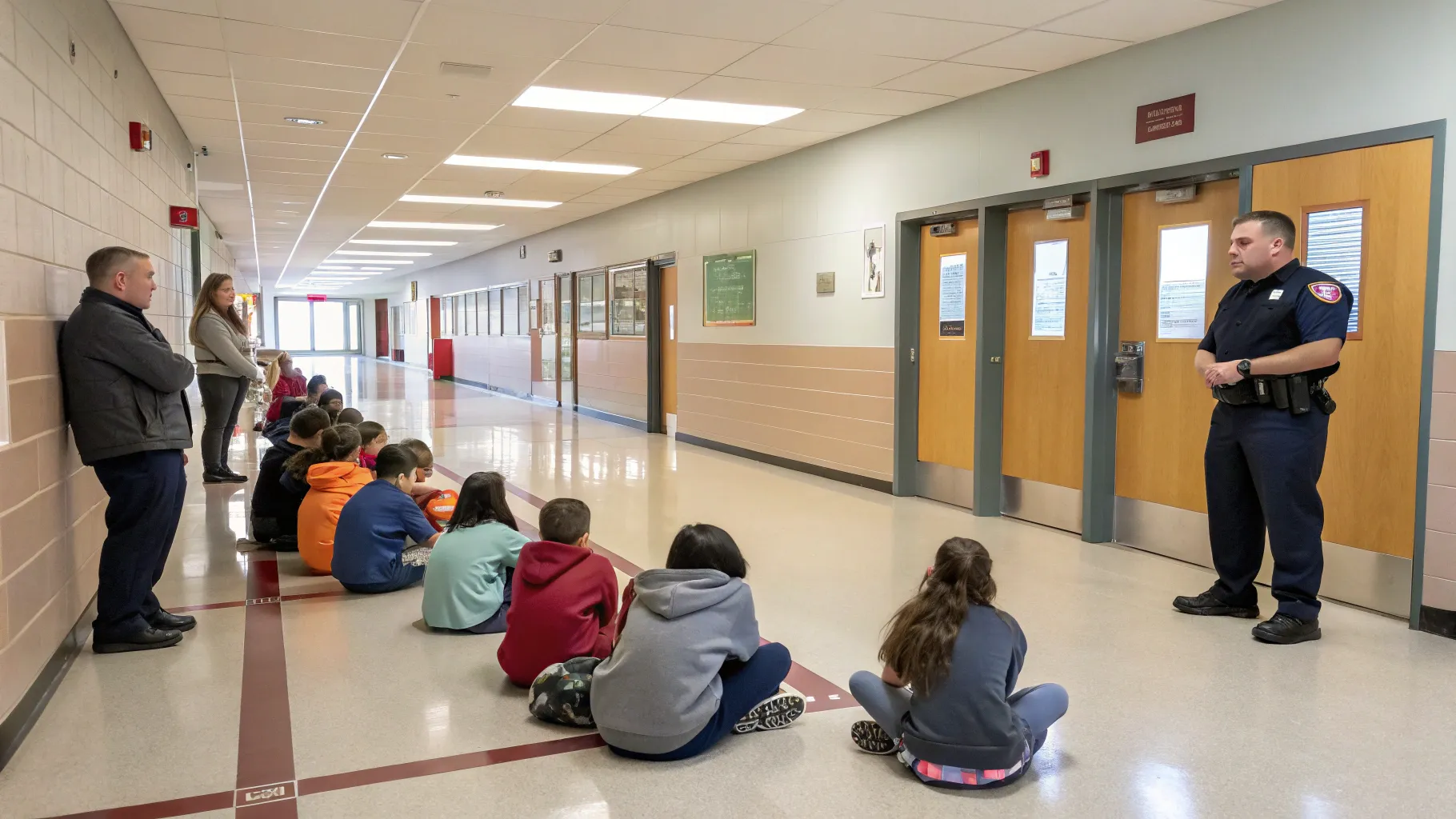
A public school activated safety protocols this week after a reported incident, but administrators say there was no actual threat. In a message to families, Principal Melissa Laudani said the response was precautionary and that students and staff were safe. The incident prompted a brief disruption during the school day, while the school followed established steps to secure the building and keep classrooms calm.
The principal’s message sought to ease concern among parents who learned of the situation through alerts. Laudani noted that standard measures were used until staff could confirm the building was secure. She emphasized that the event did not involve any harm to students or staff.
What Happened
According to the school’s communication, an incident report led administrators to enact a planned response. The school paused movement in hallways and limited access to the building while staff checked the source of the concern. Once the situation was assessed, operations gradually returned to normal.
“While there was no…”
Although the quoted message trailed off in shared summaries, the principal made clear the steps were taken out of an abundance of caution. Families were told there was no ongoing danger.
Why Protocols Matter
Schools use layered safety procedures so staff can respond quickly to any report, even if it turns out to be a false alarm. These procedures help keep classrooms focused while administrators and school security confirm details. The goal is to control movement, manage entry points, and keep instruction going when possible.
Common responses include:
- Hold in place: Hallway movement stops while classes continue.
- Lockout: Doors are secured and entry is restricted.
- Lockdown: Used in rare cases when a direct threat is suspected.
Each step serves a specific purpose. A hold or lockout prevents crowding and confusion. A lockdown is reserved for more serious concerns. In this case, the school used measures consistent with a precautionary response.
Communication With Families
Parents often learn about these events in real time, which can cause worry. Administrators try to balance speed and accuracy in updates. Early messages tend to be brief, with more detail once facts are confirmed. Laudani’s note stressed transparency while avoiding speculation.
Experts in school safety recommend direct, simple updates. They advise limiting jargon, stating what actions are being taken, and clarifying whether there is a known threat. That approach helps reduce rumors and prevents misinformation from spreading on social media.
Impact on Students and Staff
Short safety holds can be stressful, but they also reinforce training. Teachers follow a checklist, keep students informed, and resume normal routines as soon as the all-clear is given. Many schools conduct regular drills so procedures feel familiar, not frightening.
Counselors and administrators often remind students that these steps are proactive. When students understand the plan, it can lessen anxiety and help them focus after a disruption.
Lessons and Next Steps
After any precautionary response, schools review what went well and what should change. Leaders look at timing, clarity of messages, and coordination with local authorities if they were notified. They update staff on any adjustments and may share a summary with families.
Parents can help by reviewing school safety terms with their children and checking that contact information is current. Clear two-way communication makes future responses smoother and helps families know what to expect.
A Measured Response
The school’s handling of this report shows how planning reduces risk. Activating protocols without delay, even when there is no confirmed threat, can prevent confusion and keep everyone on task. That approach reflects a broader trend in school safety: act early, verify quickly, and restore normal routines once conditions are secure.
As schools refine their plans, families may see more frequent but brief alerts. The intent is not to alarm, but to inform. In this case, Laudani’s message emphasized caution and calm, and the day ended without incident. Parents can expect a follow-up from the school if any policy changes result from the review.
The key takeaway is straightforward: preparedness works. When schools practice, communicate clearly, and respond early, they protect learning time and give families confidence that safety comes first.

Deanna Ritchie is a managing editor at DevX. She has a degree in English Literature. She has written 2000+ articles on getting out of debt and mastering your finances. She has edited over 60,000 articles in her life. She has a passion for helping writers inspire others through their words. Deanna has also been an editor at Entrepreneur Magazine and ReadWrite.