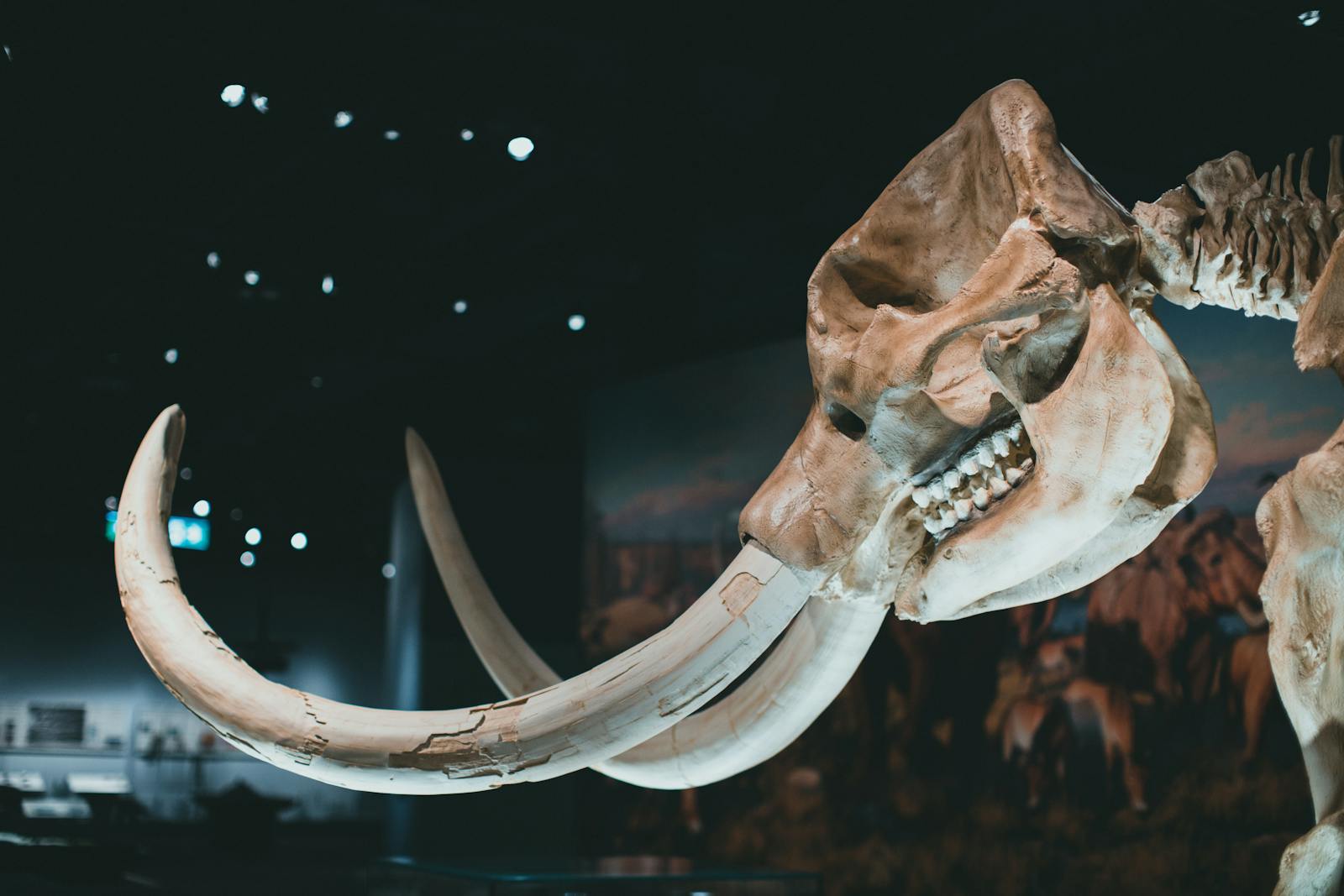
Russian scientists have unveiled the remains of a 50,000-year-old baby mammoth in Siberia. The mammoth, nicknamed Yana, was found in the melting permafrost at the Batagaika crater in the Yakutia region. Yana weighs more than 100 kilograms (220 pounds) and measures 120 centimeters (47 inches) tall and 200 centimeters (79 inches) long.
Scientists believe she was about one year old when she died. The mammoth’s remains are one of only seven mammoth carcasses found worldwide. They are described as the best-preserved mammoth body ever discovered.
The Batagaika crater, also known as the “gateway to the underworld,” is 1 kilometer deep.
Mammoth discovery in melting permafrost
It has previously revealed the remains of other ancient animals, such as bison and horses.
Yana will be studied by scientists at Russia’s North-Eastern Federal University. The university has its own mammoth research center and museum. The university called the find “exceptional.” They said it would provide researchers with new information about how mammoths lived and adapted to their surroundings.
As climate change speeds up the melting of permafrost, more parts of prehistoric animals are being discovered. These discoveries offer valuable insights into the species and the environment they lived in. The Russian team’s excitement highlights the importance of ongoing archeological and paleontological research.
This research helps uncover Earth’s ancient secrets and advance our understanding of the planet’s history and evolution of life.

Rashan is a seasoned technology journalist and visionary leader serving as the Editor-in-Chief of DevX.com, a leading online publication focused on software development, programming languages, and emerging technologies. With his deep expertise in the tech industry and her passion for empowering developers, Rashan has transformed DevX.com into a vibrant hub of knowledge and innovation. Reach out to Rashan at [email protected]