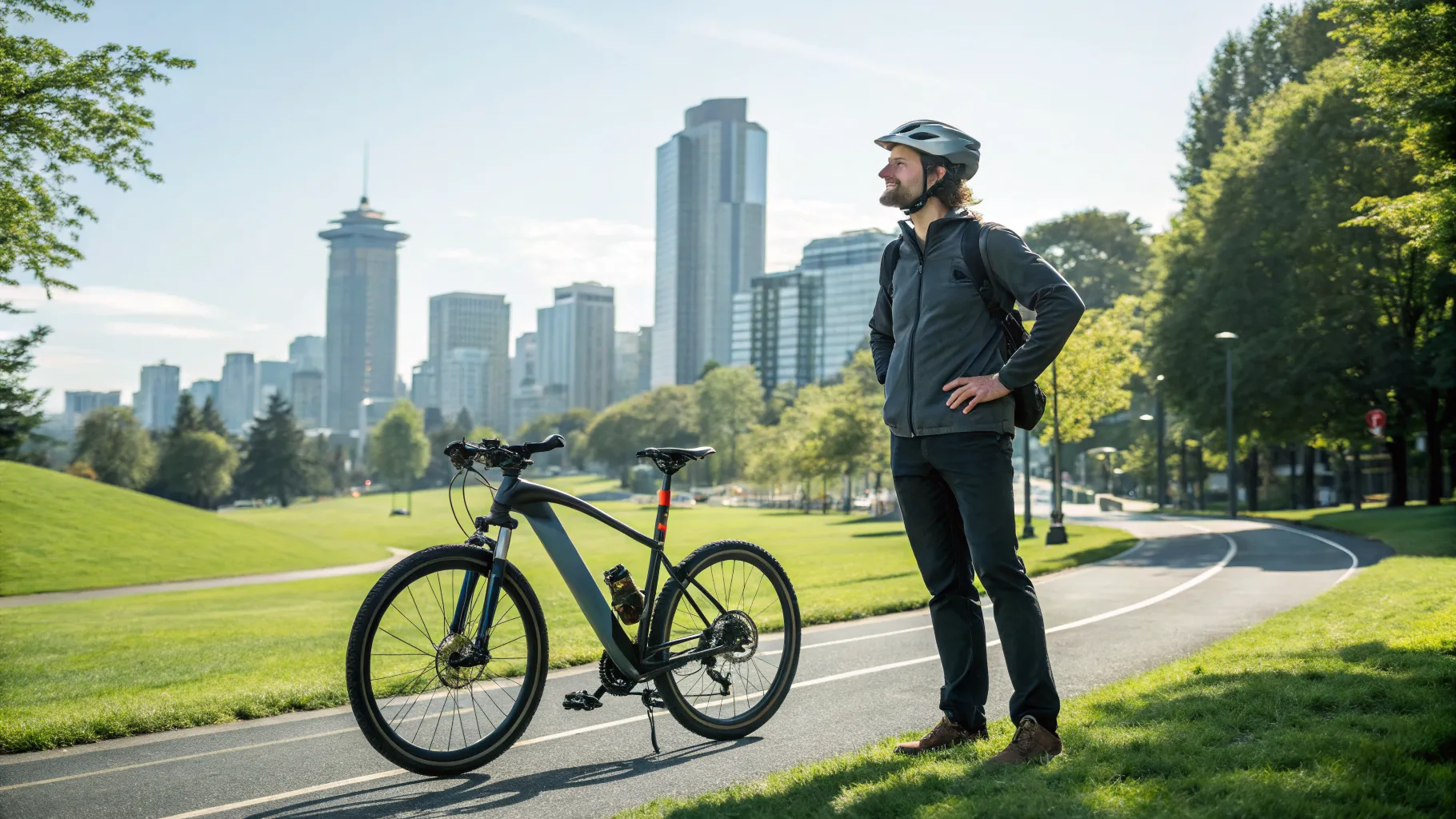
A layoff at a major social media company has opened the door to a new idea in Seattle’s growing e-bike scene. Tyler Swartz, a Seattle native and cycling enthusiast, plans to build a venture that serves local riders after losing his tech job at Reddit. The effort speaks to a larger shift in urban transport and the rise of small businesses built from tech’s recent job cuts.
Swartz’s story arrives as U.S. cities look for cleaner, faster ways to move people through crowded streets. E-bikes have surged in popularity since the pandemic, offering a low-cost, low-emission option for short trips. Seattle, with its steep hills and expanding bike network, has been a key market.
“I wanted to start something that served Seattle’s community of e-bikers,” said Swartz.
From Layoff to Local Solution
Swartz worked in tech until a company downsizing ended his role. Rather than leave the city’s cycling scene, he leaned into it. Friends and riders told him what they lacked most: trustworthy service, practical gear, and a hub for knowledge sharing.
He began sketching a plan that could include maintenance clinics, group rides, and curated accessories for hills and rain. The idea is to keep riders on the road and make it easier for newcomers to start.
“People want advice from someone who rides the same streets,” he said, describing early conversations with neighbors and co-workers who commute by bike.
Why E-Bikes Fit Seattle
Seattle’s topography can deter casual riders. E-bikes flatten climbs and extend trip range, making daily commutes more practical. The city’s network of trails and protected lanes supports that shift, and many employers offer secure parking and charging at offices.
Local shops report steady demand for mid-drive motors, cargo setups for families, and weather-ready gear. Riders cite predictable costs, shorter door-to-door times, and fewer parking headaches than driving.
- Steep hills and rain favor electric assist.
- City routes and trails connect major job centers.
- Cargo e-bikes help with errands and school runs.
A Market Built on Service and Trust
E-bike riders often need more frequent tune-ups than traditional cyclists due to heavier frames and higher daily mileage. Batteries and motors also add complexity. That creates demand for skilled service and quick-turn repairs.
Swartz sees room for a community-focused model. He is weighing mobile repair, weekend pop-ups on major routes, and classes on safe riding and basic maintenance. Partnerships with apartment buildings and employers are also on the table.
“If riders can get help near home or work, they will stay on their bikes,” he said. He added that clear guidance on charging, storage, and theft prevention could build confidence for first-time buyers.
Headwinds and Open Questions
Insurance, liability, and battery safety standards are key hurdles for any e-bike business. Shop owners also face tight margins and complex supply chains for parts. Swartz says he is studying repair certifications and vetting vendors to avoid low-quality components.
Another challenge is theft. High-value bikes attract organized rings. Some local riders now use GPS trackers, heavy-duty locks, and indoor storage. A business that offers registration support and recovery tips could fill a gap.
There is also the question of access. E-bikes can still be costly upfront. Swartz is exploring repair memberships, installment options for parts and services, and partnerships that might lower barriers for students and service workers.
What Success Could Look Like
Riders describe success as fewer days off the road, safer trips, and better weather-proofing. For the city, more e-bikes could mean fewer short car trips and reduced congestion on key corridors.
Swartz’s plan remains in an early stage, but the goals are clear: make riding easier and turn scattered support into a reliable network. He hopes to pilot services in neighborhoods with high bike traffic and learn from rider feedback before scaling.
For now, his next steps include customer surveys, a small gear test, and trial repair hours along popular routes. If the model gains traction, Seattle could see a new player helping riders keep moving, rain or shine. The broader test will be whether post-layoff entrepreneurship can meet the daily needs of a fast-growing e-bike community—and stick around as trends shift.

Rashan is a seasoned technology journalist and visionary leader serving as the Editor-in-Chief of DevX.com, a leading online publication focused on software development, programming languages, and emerging technologies. With his deep expertise in the tech industry and her passion for empowering developers, Rashan has transformed DevX.com into a vibrant hub of knowledge and innovation. Reach out to Rashan at [email protected]