Public servants dedicate years of service to improving the lives of their neighbors and caring for their communities. As they retire, they should have full access to their social security benefits. I voted in support of the Social Security Fairness Act to ensure that they do.
— Senator Dick Durbin (@SenatorDurbin) December 23, 2024
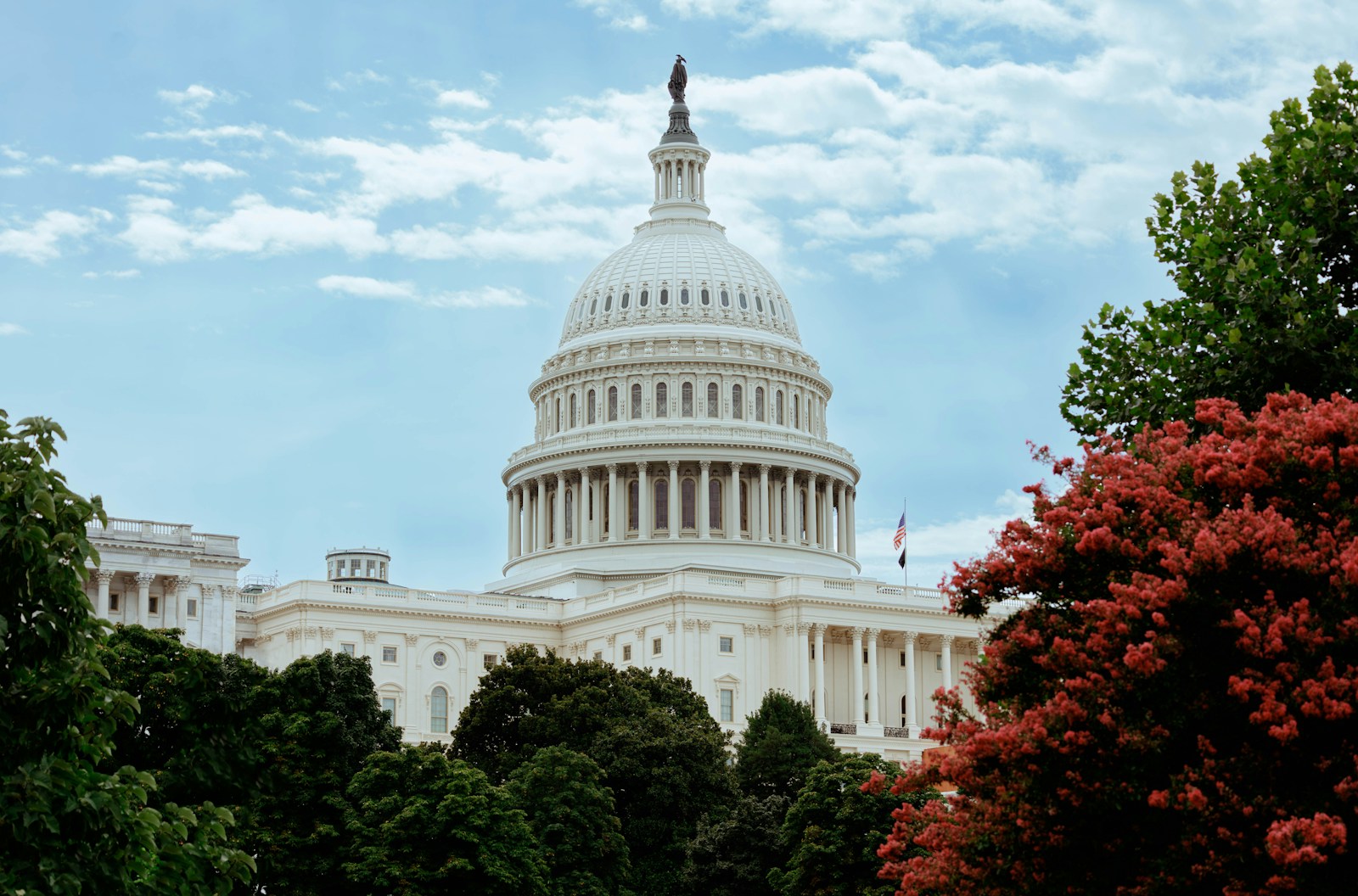
The U.S. Senate passed a bipartisan bill early Saturday to increase Social Security benefits for nearly 3 million federal, state, and local public sector workers, including firemen, policemen, and teachers. 76 senators voted in favor of the bill, and 20 senators voted against it. If the legislation is signed into law by President Joe Biden, it would apply to all benefits payable after December 2023.
The Social Security Fairness Act eliminates two policies that have previously reduced Social Security benefits for public service employees.
Thanks to supporters like @SenatorCollins, retired @IAFFofficial #firefighters and other public employees will now get the #SocialSecurity benefits they earned and paid into.
More from @newscentermaine:https://t.co/dgsjLE17zc
— Edward A. Kelly (@IAFFPresident) December 24, 2024
The workers affected are those eligible for government pensions from jobs where they didn’t pay into Social Security but did pay into the program through other jobs or whose spouses did so. The first policy eliminated is the Windfall Elimination Provision (WEP), which reduces benefits for retired or disabled workers who have fewer than 30 years of significant earnings from employment covered by Social Security, if they also receive pensions from noncovered employment.
Great news! The #SocialSecurityFairnessAct passed the Senate, finally sending the bipartisan bill to @POTUS's desk.
This is a big step forward, addressing years of frustration by those who deserve the retirement benefits they’ve worked so hard for.https://t.co/bcgAwjxPNM
— Congresswoman Chellie Pingree 🇺🇸🇺🇦 (@chelliepingree) December 22, 2024
The second policy eliminated is the Government Pension Offset (GPO), which reduces the spousal or survivor benefits of people who receive pensions from noncovered employment. Americans can receive retirement benefits if they have paid into Social Security for at least 10 years and are entitled to spousal or survivor benefits if their spouse paid into the program. The Congressional Research Service estimates that about 28% of state and local government employees covered by alternative retirement systems and most permanent civilian federal employees hired before January 1, 1984, may be affected by the GPO and WEP.
Senate ends WEP for public workers
The bill’s chief co-sponsors, Democratic Sen. Sherrod Brown of Ohio and Republican Sen.
Susan Collins of Maine, have stressed that the alternate formulas used to determine Social Security benefits for pension-eligible public sector workers penalized them for choosing to serve their communities. Collins recounted the story of a retired public school teacher in Bangor, Maine, who had to return to the workforce at age 72 after her husband, who had paid into Social Security for 40 years, died. Her survivor benefits were cut by two-thirds due to the GPO provision.
Critics of the legislation argue that it is unpaid for and could hasten Social Security’s insolvency date. The Congressional Budget Office estimates the legislation will cost nearly $200 billion over 10 years. Currently, Social Security is projected to become insolvent by 2033, or 2035 if combined with the disability trust fund, at which point the system will only have enough revenue to pay out 83% of promised benefits to everyone unless reforms are made.
The Committee for a Responsible Federal Budget estimates the Social Security Fairness Act could advance the program’s insolvency date by six months. Some critics argue that WEP reforms are justified to prevent overgenerous and unintended benefits to certain workers who would otherwise profit from the standard Social Security benefit formula.

Noah Nguyen is a multi-talented developer who brings a unique perspective to his craft. Initially a creative writing professor, he turned to Dev work for the ability to work remotely. He now lives in Seattle, spending time hiking and drinking craft beer with his fiancee.