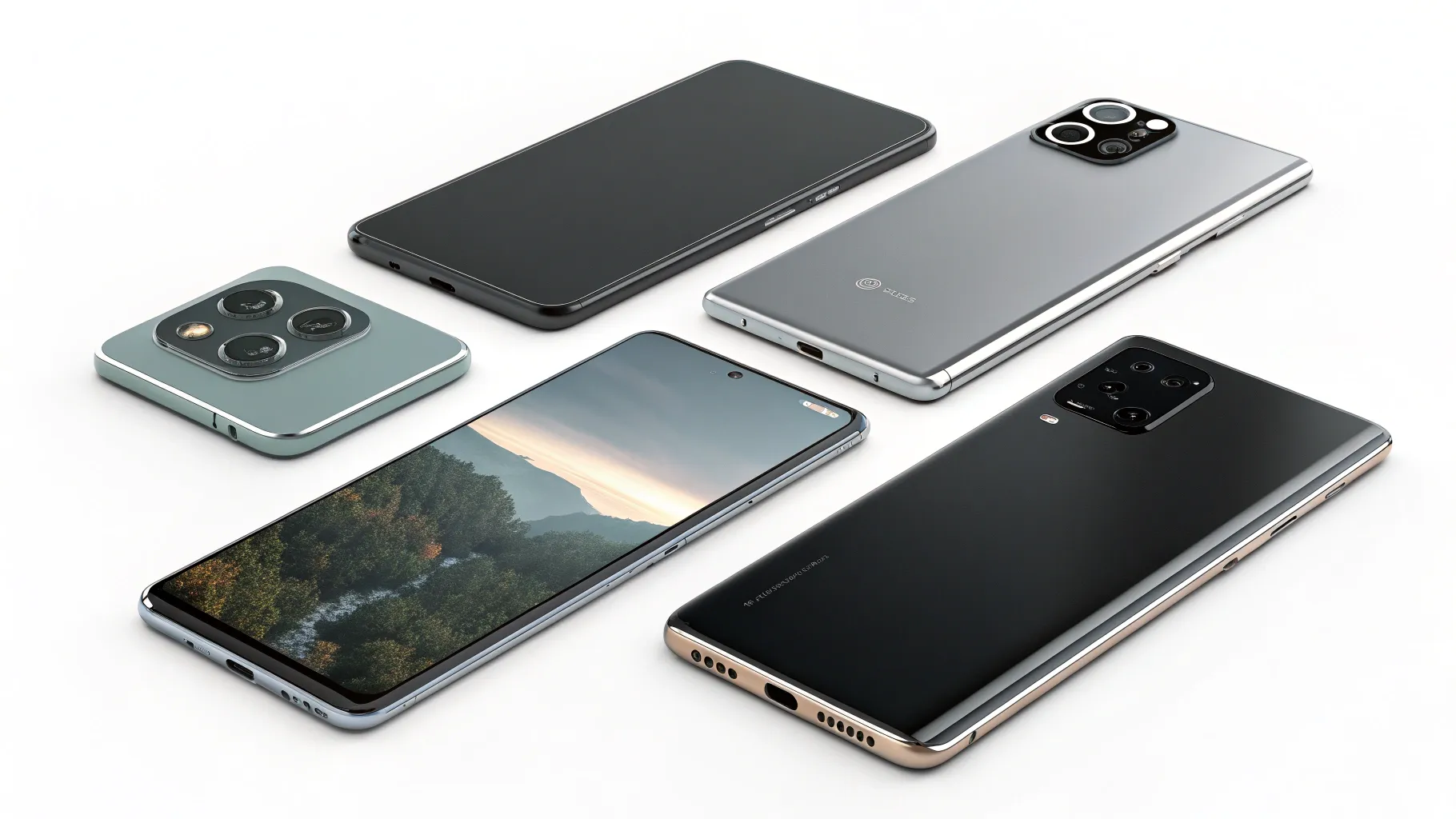
Smartphone makers are sharpening their focus on what different buyers want, carving the market into clear camps built around cameras, size, multitasking, and battery life. Across major brands this year, devices are being tuned for specific priorities as users hold onto phones longer and expect meaningful upgrades before switching.
The shift is visible from flagship releases to midrange launches in North America, Europe, and Asia. Companies are pitching distinct strengths to win over photographers, commuters, mobile workers, and heavy streamers. The aim is simple: make the next phone feel like a real step up from the last one.
Why Segmentation Is Accelerating
For years, premium phones looked similar. Now makers are betting on specialization. Longer replacement cycles and higher prices mean buyers compare details more closely. Battery endurance, camera performance, and screen size have become decisive.
As one consumer put it,
“I appreciate how smartphones have now evolved to serve distinct audiences – whether your priorities lie in photography, portability, seamless multitasking, or exceptional battery endurance.”
Analysts say this approach helps brands avoid direct spec-for-spec battles. It also gives retailers clearer messages to use on shelves and online listings.
The Camera Race: Bigger Sensors, Smarter Software
Photo-first phones now tout larger sensors, periscope zoom, and smarter low-light processing. Makers lean on computational imaging to clean up noise and balance highlights without manual editing. Portrait modes and high-bit video appeal to creators and parents alike.
Industry watchers note that camera-driven buyers accept slightly thicker phones if images improve. Night photos, fast focus, and reliable skin tones are features that push upgrades more than raw megapixel counts.
Work and Play: Multitasking Goes Mainstream
Power users want to run maps, chat, and streaming apps at once without stutter. That trend has boosted interest in phones with more memory and stronger thermal design. Foldable devices add side-by-side apps and larger inner screens for editing, spreadsheets, or note-taking on the go.
Software is catching up too. Floating windows, quick split-screen tools, and better clipboard handling reduce friction during busy days. For mobile workers, these upgrades matter more than marginal gains in benchmarks.
Endurance Matters: The Battery Arms Race
Battery-first models highlight multi-day use and faster top-ups. Bigger cells, power-efficient chips, and adaptive refresh rates help. Travel-heavy users and rural customers value phones that last through navigation, tethering, and video without constant charging.
Heat management is a real constraint. Brands are adding vapor chambers and smarter power profiles to keep charge speeds high while protecting battery health. The best results pair quick charging with long cycle life, not just peak wattage.
Portability and Comfort: Small, Light, and Pocket-Friendly
Not everyone wants a huge screen. Compact models have regained attention, with sub-6.2-inch options and lighter builds. These phones target commuters and people with smaller hands who still want quality cameras and day-long endurance.
Design choices matter here. Flat sides, grippy finishes, and lighter materials improve one-handed use. The trade-off is often battery size, so efficiency and charging strategy become part of the pitch.
What Buyers Should Weigh
- Photography: sensor size, zoom quality, and low-light performance.
- Portability: size, weight, and one-handed comfort.
- Multitasking: memory, thermal control, and split-screen tools.
- Battery: capacity, charge speed, and longevity over time.
Implications for the Industry
Specialization helps brands differentiate, but it raises production complexity. More distinct models mean tighter supply planning and software support demands across variations. Carriers and retailers benefit from clearer product tiers, yet inventory risk increases if a niche misses its audience.
For users, the change is largely positive. It is easier to match a phone to real needs. The drawback is that no single device does everything best, and prices can climb as features target narrower groups.
The bottom line: segmentation is here to stay. Expect more camera-focused flagships, lighter compact editions, endurance-first midrange phones, and multitasking-friendly foldables. The winners will translate marketing claims into everyday gains that people can feel on day one. Shoppers should identify their top priority and pick the device built for that job.

Rashan is a seasoned technology journalist and visionary leader serving as the Editor-in-Chief of DevX.com, a leading online publication focused on software development, programming languages, and emerging technologies. With his deep expertise in the tech industry and her passion for empowering developers, Rashan has transformed DevX.com into a vibrant hub of knowledge and innovation. Reach out to Rashan at [email protected]