Recent research has shown that a significant portion of the carbon sequestered on land is stored in soil and water rather than in trees, as previously thought. The study by the National Research Institute for Agriculture, Food, and Environment (INRAE) reveals critical insights into the global carbon cycle and offers new perspectives on terrestrial carbon sinks. The study harmonized global data from various remote sensing technologies to assess carbon stocks between 1992 and 2019.
The analysis found that 35 gigatons of carbon were sequestered on Earth’s surface during this period, with an annual sequestration rate increasing from 0.5 gigatons per year to 1.7 gigatons per year, marking a 240% increase. Interestingly, forests accounted for only 6% of these carbon gains. Instead, the bulk of carbon was found in nonliving pools such as soil and sediments at the bottom of lakes, rivers, and wetlands.
This nonliving carbon often derives from the decomposition of dead plants and animals, eventually serving as food for soil organisms.
Carbon sinks beyond forests
Though necessary, the findings suggest that forests are more vulnerable due to disturbances like climate change and deforestation.
These disturbances can cause forests to emit almost as much carbon as they absorb, making them less reliable as carbon sinks over time. The most enduring carbon sinks identified by the study are related to the anaerobic burial of organic carbon in natural and artificial water bodies. Human activities such as creating dams and artificial ponds contribute significantly to carbon sequestration.
This research highlights the importance of including nonliving carbon pools in future models to predict global carbon dynamics more accurately. It underscores the need for updated dynamic global vegetation models that accurately reflect the diverse mechanisms of terrestrial carbon accumulation. As the study shows, protecting and managing these varied carbon sinks is crucial for mitigating the impacts of climate change.
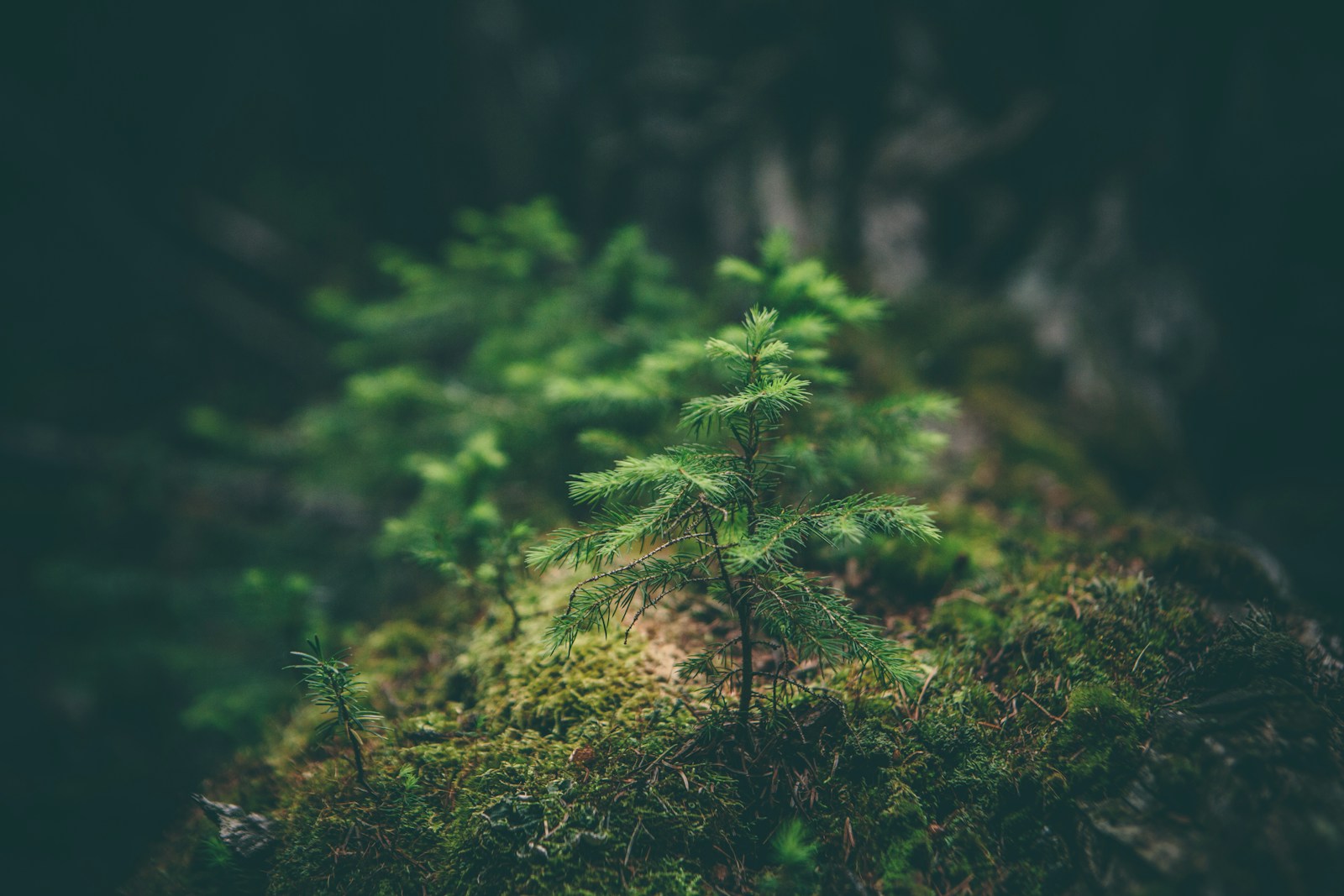
Image Credits: Photo by Matthew Smith on Unsplash

Johannah Lopez is a versatile professional who seamlessly navigates two worlds. By day, she excels as a SaaS freelance writer, crafting informative and persuasive content for tech companies. By night, she showcases her vibrant personality and customer service skills as a part-time bartender. Johannah's ability to blend her writing expertise with her social finesse makes her a well-rounded and engaging storyteller in any setting.