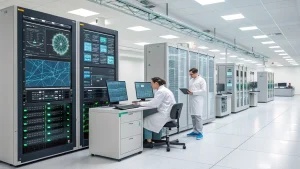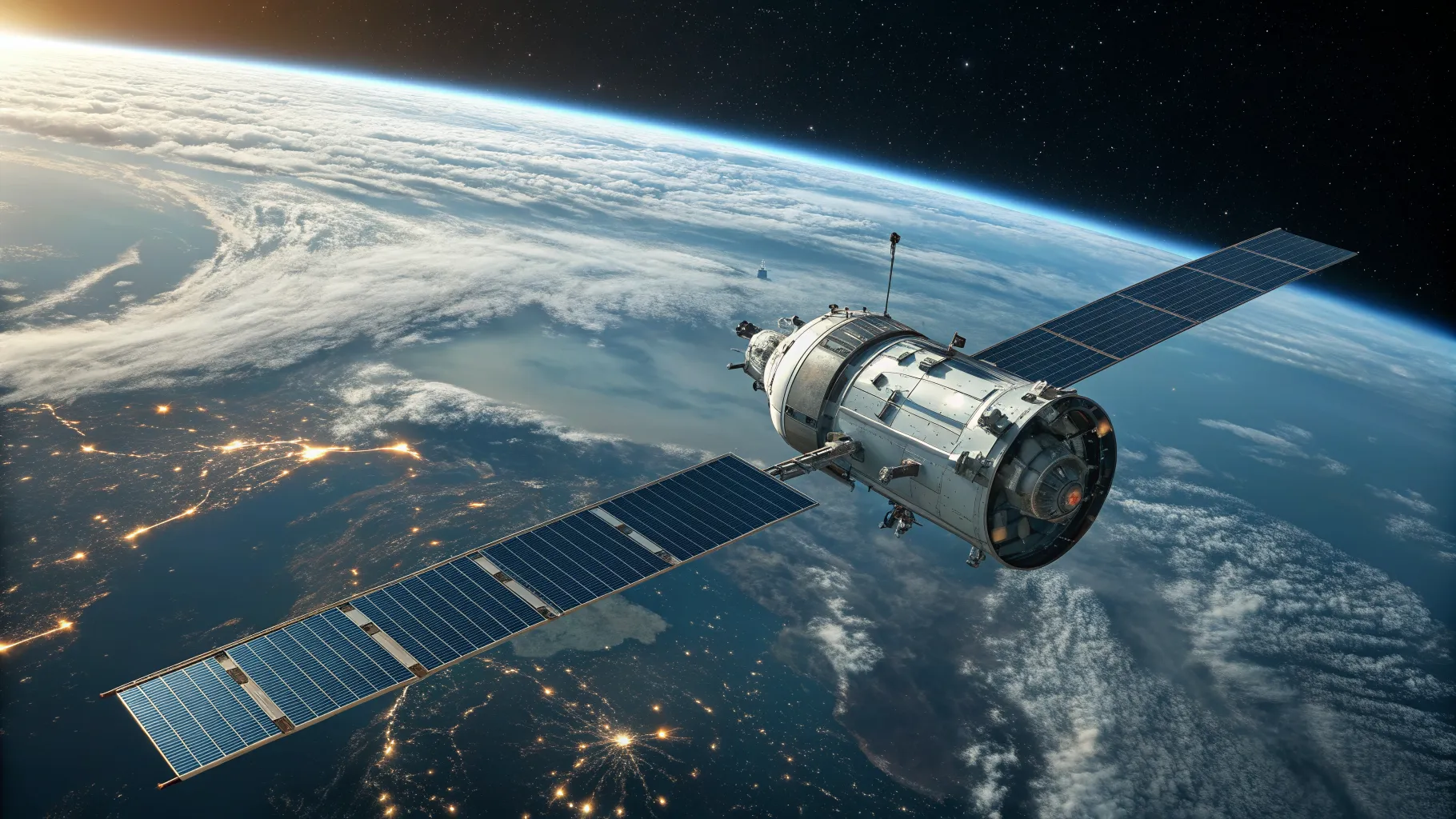
Sophia Space has raised fresh capital to speed work on computing hardware and software designed to run in orbit, signaling growing investor interest in space-based data processing. The company announced a $10 million seed financing round to fund the development of orbital computing systems, a field that aims to process information directly on satellites rather than sending everything back to Earth.
The funding marks an early bet on a technology area that could reshape how Earth observation, communications, and scientific missions handle data. While the company did not disclose investors or a timeline, the move places it among a small but rising group of firms targeting edge computing in space.
“Sophia Space says it has closed a $10 million seed financing round to accelerate the development of orbital computing systems.”
Why Orbital Computing Matters
Satellites collect more data than ground networks can easily handle. Processing data in orbit can shrink delays, cut bandwidth costs, and deliver faster insights. For industries that rely on real-time information—disaster response, maritime tracking, and defense—minutes can matter.
Edge processing in space takes the core idea of on-device computation and applies it to satellites. Instead of downlinking raw images or sensor feeds, a satellite can sort, compress, and even analyze data before transmission. That reduces congestion on limited radio links and allows ground teams to act sooner.
- Earth observation: Identify wildfires, floods, or crop stress on the satellite and send alerts.
- Telecommunications: Manage traffic and optimize links without round trips to ground.
- Science missions: Filter noise and focus on high-value data to extend mission life.
- Autonomous operations: Enable smarter satellites that can re-task themselves on the fly.
Funding Signals a Larger Trend
A seed round at this scale suggests investors see near-term paths to technical milestones and early revenue. Launch costs have fallen in recent years, and small satellites have become easier to build and deploy. That opens a window for companies developing specialized processors, radiation-tolerant systems, and AI models tailored for orbit.
Market watchers point to a simple equation: more sensors in space plus cheaper access to orbit equals a need to handle data where it is created. Sophia Space is stepping into that equation with a plan to accelerate development, though the company has not detailed whether it will field full satellites, ride as hosted payloads, or license hardware and software to partners.
Key Technical Hurdles
Building computers for space is difficult. Electronics must survive radiation, extreme temperatures, and limited power. Updating software securely from orbit is another challenge. Balancing performance with reliability often means using specialized chips, careful shielding, and conservative design choices.
Artificial intelligence workloads add pressure. Models must be efficient and explainable, and they must run within tight power and memory limits. Testing is costly. Many firms rely on emulation and high-altitude trials before full deployment. Even then, on-orbit validation can reveal unexpected behaviors.
Regulatory and Operational Risks
Any company working with satellite systems must navigate export controls, spectrum licensing, debris mitigation rules, and mission assurance requirements. Insurance costs and launch schedules can shift plans by months. Partnerships with established satellite operators often become essential for early demonstrations.
Operationally, integration with ground systems matters as much as on-orbit performance. If data pipelines, security policies, and customer workflows are not aligned, the benefits of in-orbit processing can be lost.
What Success Could Look Like
If Sophia Space can prove reliable on-orbit processing, customers may see lower data costs and faster decision-making. Early wins may come from targeted pilots: a wildfire detection model that flags hotspots within minutes, or a maritime system that filters vessel data to spot anomalies.
Commercial traction will likely hinge on measurable outcomes. Fewer gigabytes downlinked. Faster alert times. Lower total mission costs. Clear metrics can convert technical promise into signed contracts.
What to Watch Next
Several signals will show progress: announcements of partners, details on the hardware and software stack, and dates for technology demonstrations. Engagements with satellite bus providers or Earth observation companies would suggest near-term flight tests.
The seed round gives Sophia Space runway to move from prototypes to on-orbit validation. The next milestones will determine how quickly orbital computing shifts from concept to a standard feature of new missions.
Sophia Space’s funding highlights a clear direction for the sector: process more data where it is created. The coming year should reveal whether this approach can deliver faster insights and leaner operations, and whether the company can turn early momentum into market share.

A seasoned technology executive with a proven record of developing and executing innovative strategies to scale high-growth SaaS platforms and enterprise solutions. As a hands-on CTO and systems architect, he combines technical excellence with visionary leadership to drive organizational success.