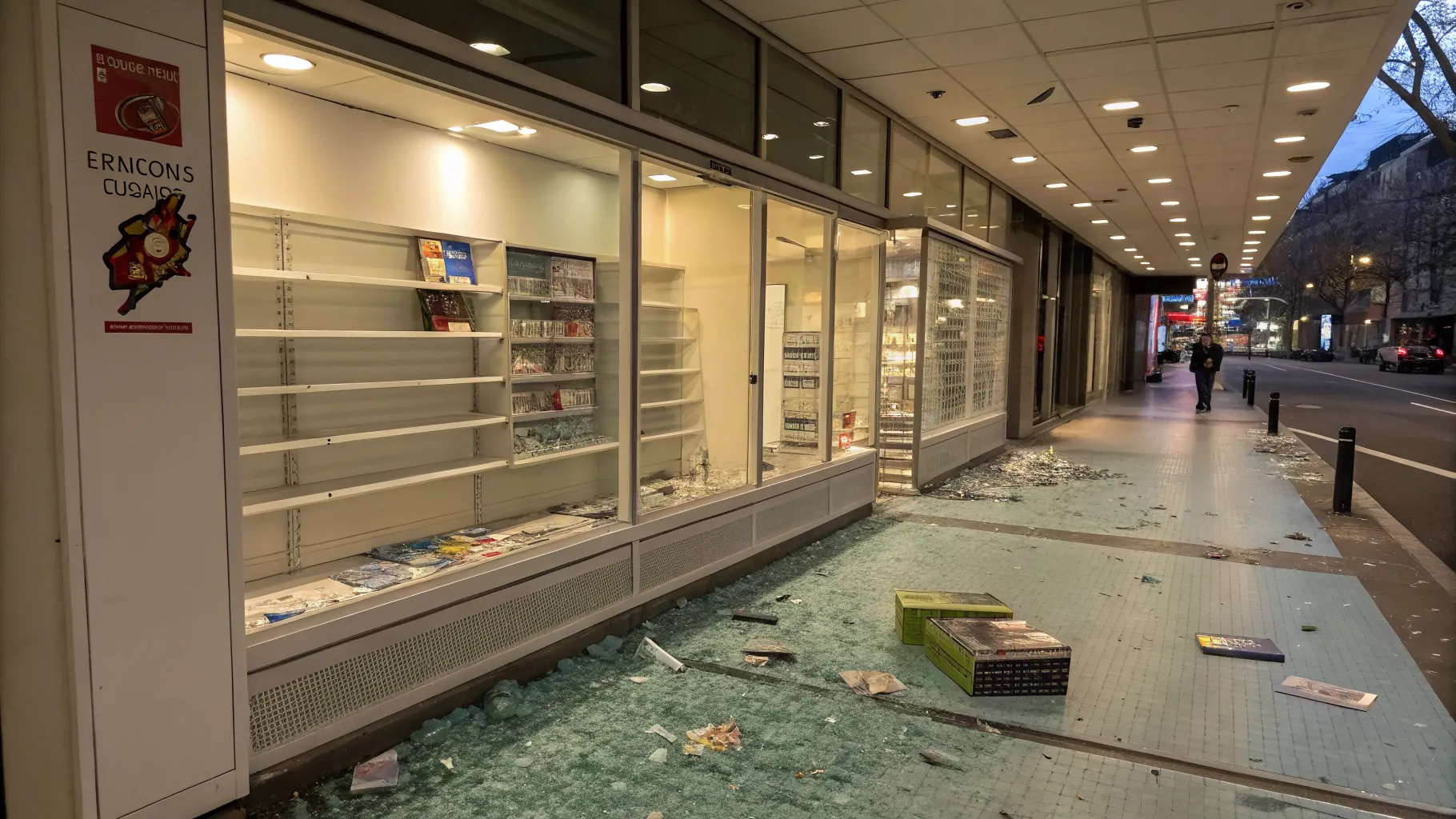
Rising prices for Pokémon trading cards since the pandemic have drawn thieves to hobby shops from the United States to Europe and Asia. Small retailers report smash-and-grab break-ins, with high-value booster boxes and graded singles taken in minutes. The trend has turned a childhood pastime into a costly security challenge for independent stores.
The surge began during lockdowns, when people returned to collecting and new buyers entered the market. Scarcity, grading services, and online resales pushed prices higher. That demand made sealed boxes and rare cards easy targets that can be resold quickly with little trace.
Value Boom Fuels Theft
Pokémon cards went from niche collectibles to headline sales during the pandemic. With more time at home, collectors organized, compared checklists, and chased rare pulls. Increased social media attention and live breaks also pushed interest. As prices climbed, so did the incentive for theft.
Pokémon cards have skyrocketed in value since the pandemic, making them an attractive target for smash-and-grab robberies. Small businesses around the world have been targeted.
Card aisles in general retailers saw shelves emptied by resellers. Specialty shops carried deeper inventory, including sealed cases. That concentration of value and predictable storefronts created soft targets for quick raids.
Small Retailers Bear The Brunt
Independent hobby shops often operate on thin margins. A single hit can wipe out weeks of sales. Owners face higher insurance premiums, repair costs, and lost inventory. Some stores have moved sealed products off the floor or shifted to appointment-only access for high-ticket items.
Many stores now lock display cases, install bollards, and add shatter-resistant film to windows. Some host earlier events to avoid late-night closings. Others reduce public posting of delivery times to limit tipoffs about fresh stock.
How Smash-and-Grab Rings Operate
Theft patterns tend to be simple and fast. Break a window or door, head straight to sealed boxes, sweep them into bags, and flee. Resale can happen online or through informal networks. The goods are small, valuable, and easy to ship, which lowers the risk for thieves.
- Targets: sealed booster boxes, display cases, graded cards
- Timing: late night or early morning
- Method: forced entry and rapid exit
- Resale: online marketplaces and peer-to-peer sales
Local police departments have linked some incidents to the same vehicles or methods. Yet many cases remain unsolved because cameras often capture covered faces and plates, and stolen items lack unique identifiers.
Insurance And Industry Response
Insurers increasingly ask for alarms, cameras, and reinforced entry points before writing policies for collectible retailers. Deductibles have risen. Some shops have been dropped after repeated claims, which pushes owners to pay more out of pocket for security.
Distributors and brands encourage stores to tighten storage and hold less on open display. Hobby groups urge buyers to keep receipts and register graded cards with serial numbers. Collectors also warn each other about suspicious listings.
Impact On Collectors And The Hobby
Repeated thefts shrink local inventory, drive up prices, and can discourage new players from entering the game. Events and tournaments suffer when stores feel unsafe holding late-night gatherings. Longtime customers may turn to online sellers, weakening community ties that keep local scenes healthy.
Some shops push back by hosting more daytime events, pre-order pickups, and community watch efforts. They also verify secondary-market trades more carefully. These steps aim to protect stock while preserving the social side of collecting and play.
What To Watch Next
Prices for sealed Pokémon products may cool as supply normalizes, which could reduce theft incentives. But rare graded cards will likely hold value, keeping interest from thieves. Retailers will continue investing in security and adjusting store layouts.
Law enforcement coordination and clearer tracking of serial-numbered slabs could help investigations. Marketplace rules on high-risk items may also tighten. For now, small businesses carry much of the burden, balancing open community spaces with the need to protect valuable stock.
The latest wave of theft shows how quickly a hobby can turn into a target when prices rise. Shops that adapt their security and sales practices stand the best chance of weathering the risk while keeping their communities intact.

Senior Software Engineer with a passion for building practical, user-centric applications. He specializes in full-stack development with a strong focus on crafting elegant, performant interfaces and scalable backend solutions. With experience leading teams and delivering robust, end-to-end products, he thrives on solving complex problems through clean and efficient code.