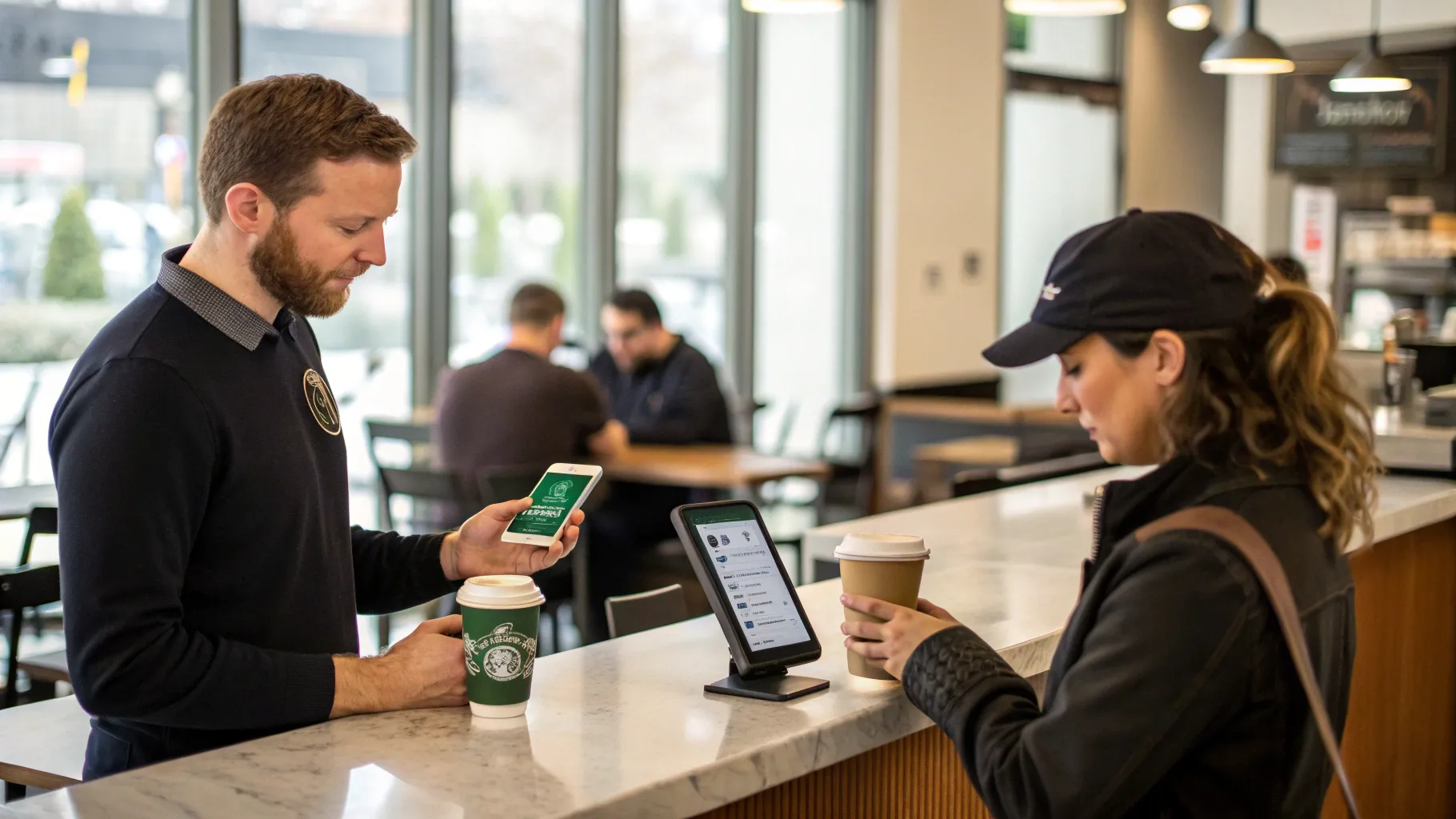
A growing number of coffee drinkers say their loyalty apps know too much and give too little in return. Some now claim Starbucks uses purchase history to tailor offers that nudge spending upward while shrinking discounts. The concern centers on so-called surveillance pricing, a strategy that blends personal data, targeted promotions, and dynamic incentives.
The complaints gained force as customers compared deals over time and across accounts. Many say they now receive fewer or less valuable offers after steady visits. The shift matters because Starbucks relies on its app, which ranks among the most used payment tools in the United States. It also matters for privacy, price fairness, and trust in digital loyalty programs.
What Customers Are Seeing
“Starbucks tracked my every purchase — then gave me fewer deals. It’s called surveillance pricing.”
That claim reflects a wider worry. Regular buyers report that the more they spend, the less generous their coupons appear. Others say new users get aggressive promotions while long-time customers are steered toward premium items or bundles. The patterns are hard for users to verify but easy to notice over months of daily orders.
Starbucks has not detailed how it tailors offers to individual customers. The company has said in past statements that its rewards program uses data to improve service and personalize experiences. It also notes that users consent to data collection through app terms and can adjust some settings.
The Data Behind Loyalty Apps
Modern loyalty apps collect rich signals. These include store location, order time, item choice, add-ons, payment method, and response to past promotions. Over time, a profile can reveal price sensitivity, product preferences, and the best moment to send an offer. In retail, that information can drive personalized pricing or targeted discounts that differ across users.
Privacy advocates warn that shoppers often do not grasp how detailed these profiles become. Some worry that people with tight budgets may end up paying more when algorithms detect a habit or a need. Others say personalization can be fair if it is transparent, consistent, and easy to opt out of.
Business Logic and Consumer Impact
Personalization can raise revenue by matching incentives to behavior. A heavy user may get fewer discounts if the system predicts they will pay full price. A lapsed user may get a steep coupon to return. Over large customer bases, even small shifts in redemption rates can change margins.
Critics say this can feel like a hidden price system. Two people ordering the same drink could face different promotion paths with no clear notice. They argue that loyalty should earn better value, not thinner perks. Supporters counter that targeted deals help avoid blanket price cuts and can fund rewards for those most at risk of leaving.
- Heavy users report fewer or smaller deals over time.
- New or lapsed users often get richer incentives.
- The logic aims to lift spending and reduce discount costs.
Regulatory Questions Are Rising
Lawmakers in the U.S. and Europe are watching personalized pricing across retail, travel, and ride-hailing. Rules focus on consent, transparency, and nondiscrimination. Some states require clear notice when prices vary based on data. Consumer groups push for rights to access and delete personal information.
For companies, the risk is reputational. If customers feel manipulated, they may reduce app use or switch brands. For Starbucks, which depends on repeat visits and a strong rewards program, trust is a core asset.
What Starbucks Could Do Next
There are practical steps that could ease concerns without ending personalization. Clearer disclosures could explain what data informs promotions and how to opt out. A simple dashboard could show why an offer was sent and how to change preferences. The company could also set guardrails that keep long-time customers from getting worse deals than casual users.
Industry analysts say transparency would help avoid surprises and rebuild confidence. Loyalty apps are now standard in retail. Clear rules and predictable perks can keep them useful rather than opaque.
How Customers Can Respond
Users who want control have options. They can review privacy settings, decline location tracking, and limit data sharing. They can compare offers across accounts or order as a guest to avoid profiling. They can also push for clearer policies and file complaints with state regulators if they suspect unfair practices.
The complaints about surveillance pricing show a tension at the heart of modern retail. Personalization can create convenience, but it can also shape prices in ways people cannot see. Starbucks faces pressure to explain how its system works and to protect loyal customers from worse outcomes. The next test will be whether the company and its peers adopt clearer rules that make personalization feel like a benefit, not a penalty. Shoppers should watch for stronger disclosures, new opt-out tools, and fairer offer designs in the months ahead.

Rashan is a seasoned technology journalist and visionary leader serving as the Editor-in-Chief of DevX.com, a leading online publication focused on software development, programming languages, and emerging technologies. With his deep expertise in the tech industry and her passion for empowering developers, Rashan has transformed DevX.com into a vibrant hub of knowledge and innovation. Reach out to Rashan at [email protected]