The Antarctic Circumpolar Current (ACC), the Earth’s strongest ocean current, is slowing down due to the rapid melting of Antarctic ice sheets. A new study published in the journal Environmental Research Letters reveals that the influx of cold meltwater could weaken the ACC by up to 20% by 2050, potentially affecting ocean temperatures, sea level rise, and Antarctica’s ecosystem. The ACC, which swirls clockwise around Antarctica, transports around 264 million gallons of water per second.
It plays a crucial role in keeping warmer water away from the Antarctic Ice Sheet and connecting the Atlantic, Pacific, Indian, and Southern oceans, facilitating heat exchange between these bodies of water. Bishakhdatta Gayen, a fluid mechanist at the University of Melbourne in Australia, and his colleagues used Australia’s fastest supercomputer and climate simulator to model the interactions between the ocean and the ice sheet. They found that the fresh, cold meltwater dilutes the surrounding seawater and slows convection between surface water and deep water near the ice sheet.
As a result, the deep Southern Ocean will warm over time, and meltwater will make its way farther north before sinking. These changes affect the density profile of the world’s oceans, driving the slowdown of the ACC, which could have far-reaching consequences.
It could allow more warm water to reach the Antarctic Ice Sheet, exacerbating the melting that has already been observed and contributing to sea level rise.
Antarctic Circumpolar Current slowdown
Additionally, the ACC acts as a barrier against invasive species by directing non-native plants and animals away from the continent.
If the current weakens, this barrier could become less effective. “It’s like a merry-go-round. It keeps on moving around and around, so it takes a longer time to come back to Antarctica,” Gayen said.
“If it slows down, things can quickly migrate to the Antarctic coastline.”
The effects of the slowdown will be felt even in other oceans. “This is where the ocean heart sits,” Gayen said. “If something stops there, or something different is happening, it’s going to impact each and every ocean circulation.”
Long-term monitoring is necessary to understand the changes in the ACC better.
The current hasn’t been monitored for very long due to its remote location, making it difficult to differentiate warming-induced changes from baseline conditions. The urgency for comprehensive climate action becomes increasingly apparent as the world grapples with the implications of a weakening Antarctic Circumpolar Current. The study’s findings highlight the need for ongoing research using advanced climatograph modeling and animation simulations to assess the full impact of climate change on the ACC and the global climate system.
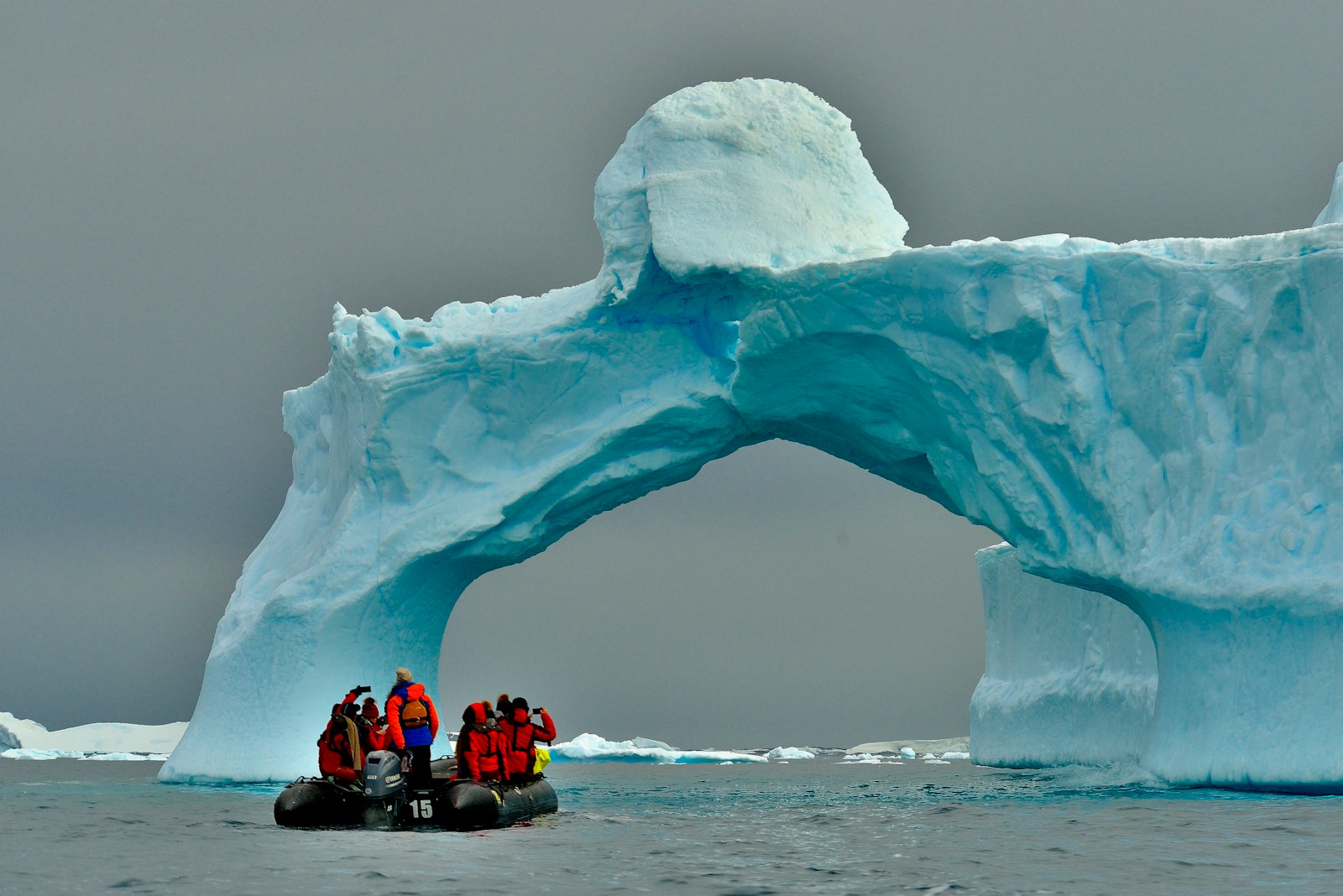
Image Credits: Photo by Long Ma on Unsplash

Rashan is a seasoned technology journalist and visionary leader serving as the Editor-in-Chief of DevX.com, a leading online publication focused on software development, programming languages, and emerging technologies. With his deep expertise in the tech industry and her passion for empowering developers, Rashan has transformed DevX.com into a vibrant hub of knowledge and innovation. Reach out to Rashan at [email protected]