A high-profile Super Bowl advert has reignited concerns over a smart doorbell company’s data practices, prompting fresh debate from privacy advocates, customers, and policy experts. The commercial aired during one of the year’s most-watched events in the United States, raising questions about how the company collects, stores, and shares video and audio from front doors nationwide.
“A Super Bowl advert had sparked new scrutiny of the smart doorbell company’s privacy practices.”
The issue centers on what the company records, who can access it, and how long it is kept. The scrutiny comes as more households adopt connected cameras to deter theft and track deliveries. It also follows years of controversy over device security and cooperation with law enforcement.
Ad Spurs Fresh Questions
The timing of the ad magnified attention. The Super Bowl draws more than 100 million viewers, making it a launchpad for brand messages. That scale often invites immediate checks on claims and practices. Viewers and digital rights groups posted concerns within minutes, asking whether the doorbell’s features could expose families and neighbors to unwanted surveillance.
Critics worry that promotional content glosses over risks. They ask whether clips could be reviewed by staff, shared with police without user consent, or analyzed by third parties. The company, like peers in the home security market, says its products help prevent crime and offer peace of mind. But the ad revived a larger question: how much monitoring is too much for a residential block?
Long-Running Privacy Concerns
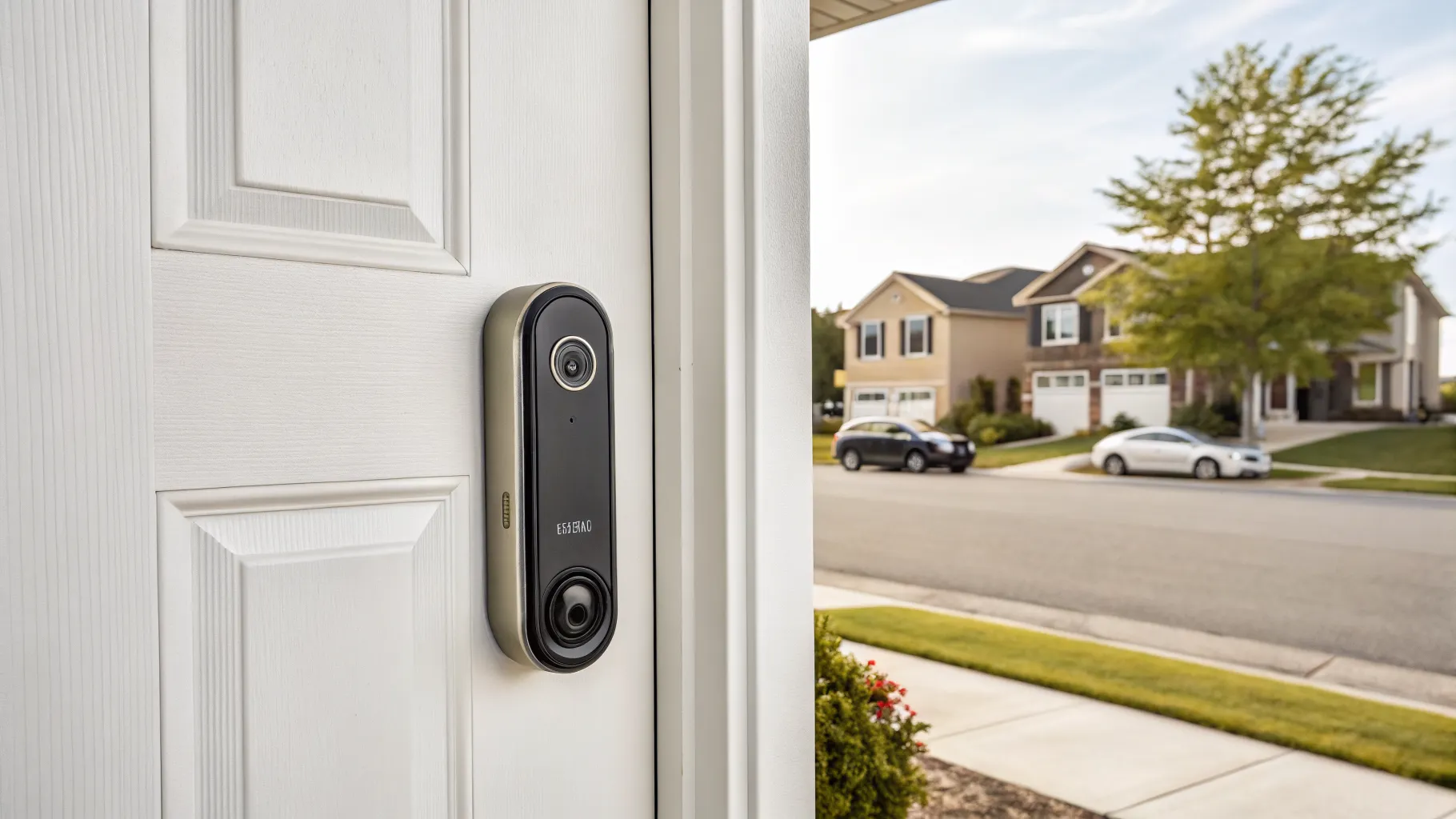
Smart doorbells combine cameras, microphones, motion sensors, and cloud storage. That mix creates helpful alerts and video history. It also creates a trail of sensitive data. Past controversies in the sector have included employee access to customer videos, weak passwords that enabled breaches, and partnerships with local police seeking footage.
Advocates warn that front-door cameras can capture passersby, children at play, and delivery workers who did not consent to being recorded. They also raise alarms about data retention, default settings that favor sharing, and accuracy issues with features like person detection. For renters and multi-unit buildings, the stakes are higher because many people are filmed by a device they do not control.
- Data retention: How long videos are stored and whether users can easily delete them.
- Third-party access: Whether vendors, contractors, or police can obtain clips without a warrant.
- Security controls: Availability of two-factor authentication and encrypted storage.
- Transparency: Clear logs showing who accessed footage and when.
What Experts and Users Want
Privacy researchers urge clearer opt-in choices, shorter default storage windows, and stronger limits on staff access. They also call for “warrant-only” policies for law enforcement requests, with narrow emergency exceptions that are audited and disclosed. Consumer groups push for plain-language notices that explain how the devices work before purchase, not after setup.
Customers, meanwhile, split on priorities. Some want faster alerts and broader sharing to help neighbors spot risks. Others want tight controls and private-by-default settings. Both groups agree on one point: stronger security. Two-factor authentication, end-to-end encryption where possible, and automatic alerts for suspicious logins are now seen as table stakes.
Industry analysts say the Super Bowl spotlight could push the company to publish updated transparency reports. These could include counts of requests from authorities, how many were denied, and how often users were notified. They also suggest the company spell out its policies on data used for product training or analytics.
Business Stakes and Next Steps
The commercial likely aimed to win share in a crowded market for home security. But the blowback shows the risk of bold claims without clear safeguards. Trust is now as important as features. Competitors that offer stronger privacy defaults could gain ground if the company falters.
Regulators may also take interest. Data protection rules are tightening in several states, with more bills under review. Clear user consent, minimal data collection, and easy deletion tools are becoming legal expectations, not just best practices.
The company can quiet concerns by taking concrete steps. It can publish a detailed privacy roadmap, enable private-by-default settings, and expand user controls for sharing. Independent security audits and public summaries would add credibility. A commitment to require warrants for footage, paired with prompt user notice, would address a key flashpoint.
The ad aimed to showcase convenience and safety. The reaction shows the public wants both security and privacy at the front door. What happens next will turn on whether the company turns attention from marketing to measurable safeguards. If it does, the debate may cool. If not, the next viral moment could be a complaint, not a commercial.

Rashan is a seasoned technology journalist and visionary leader serving as the Editor-in-Chief of DevX.com, a leading online publication focused on software development, programming languages, and emerging technologies. With his deep expertise in the tech industry and her passion for empowering developers, Rashan has transformed DevX.com into a vibrant hub of knowledge and innovation. Reach out to Rashan at [email protected]