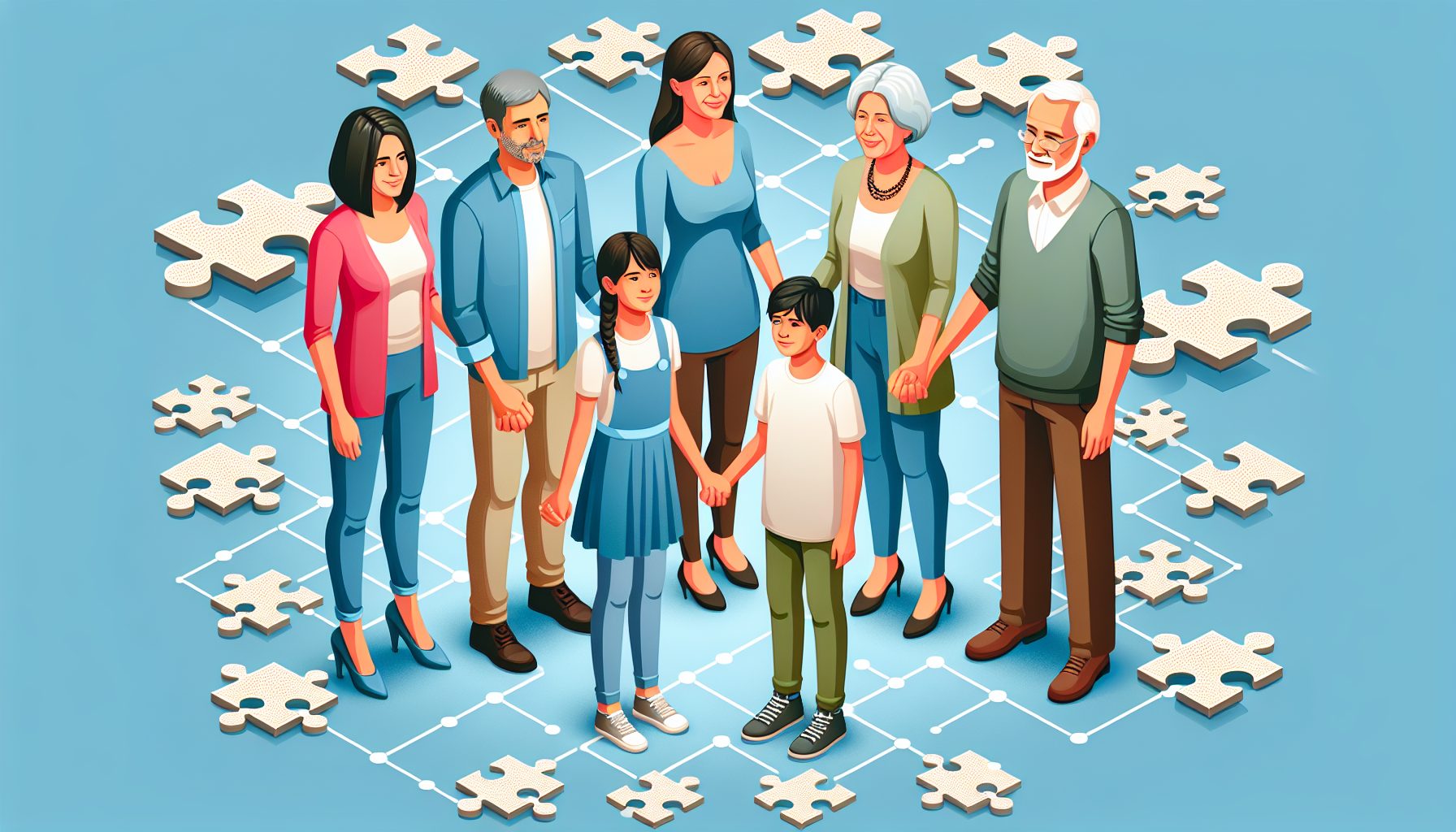
The sandwich generation faces significant challenges balancing work, childcare, and eldercare responsibilities. Around 15% of middle-aged adults provide financial support to both an aging parent and a child. This dual caregiving role can lead to emotional strain, burnout, and financial difficulties.
Women in the sandwich generation are particularly affected, with 64% reporting that caregiving duties have negatively impacted their ability to save for financial goals. Additionally, 57% have assumed less professional responsibility, resulting in reduced income. Women typically have only two-thirds the retirement savings of men and live an average of five years longer, making comprehensive support crucial.
Racial disparities also exist in caregiving, with Black caregivers more likely to provide over 40 hours of care per week compared to white caregivers (54.3% vs.
Support for middle-aged dual caregivers
38.6%).
To support the sandwich generation, employers can offer flexible work arrangements, which lead to higher engagement, reduced stress, and improved retention. Mental health support, such as Employee Assistance Programs and caregiver support groups, can help address caregiver burnout. Financial wellness programs, including practical planning tools, expert guidance, and emergency support systems, can provide relief for dual caregivers managing the costs of supporting two generations.
HR leaders can equip managers to recognize and respond to the signs of caregiver stress by building awareness and providing clear guidelines for implementing flexible work options and adjusting workloads during caregiving crises. A Voya Financial survey highlights the importance of comprehensive workplace benefits, such as health savings accounts and caregiver planning resources, in enhancing employee loyalty and productivity. Nearly half of caregivers report that family responsibilities severely impact their retirement preparation, and supplemental benefits can alleviate financial and emotional strains.
By investing in a supportive environment that accommodates the unique needs of the sandwich generation, organizations can foster better employee retention, productivity, and well-being while helping dual caregivers balance their complex responsibilities.

Cameron is a highly regarded contributor in the rapidly evolving fields of artificial intelligence (AI) and machine learning. His articles delve into the theoretical underpinnings of AI, the practical applications of machine learning across industries, ethical considerations of autonomous systems, and the societal impacts of these disruptive technologies.