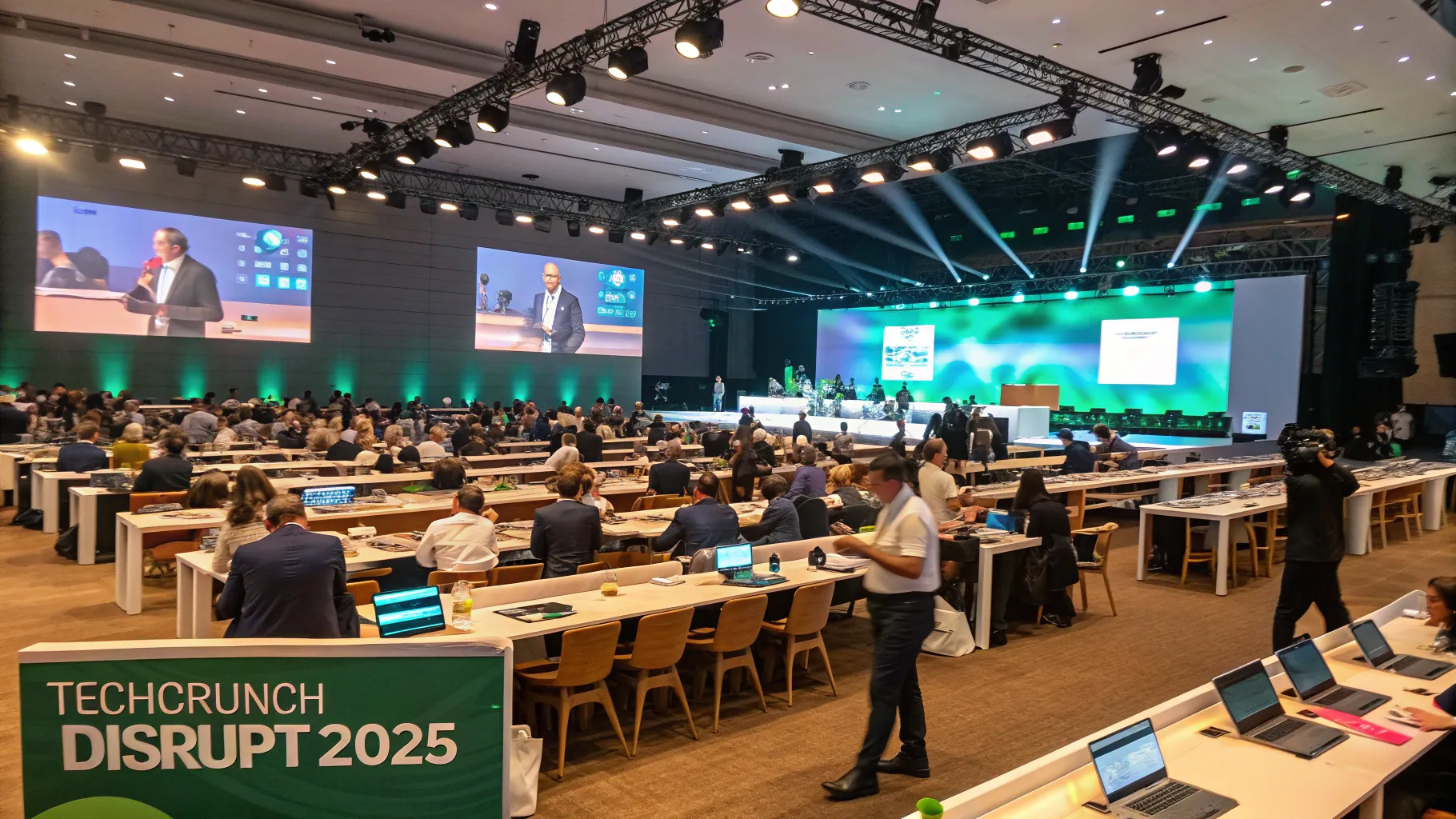
A final price drop is pushing late sign-ups for TechCrunch Disrupt 2025, as organizers urge would-be attendees to act before registration costs rise again. The conference is promoting savings of up to $668 with a program featuring more than 250 speakers, over 200 sessions, and a crowd of 10,000-plus tech leaders. The push highlights the scramble for event budgets and the race to secure spots at one of the sector’s most-watched startup gatherings.
“Last chance to save up to $668 on TechCrunch Disrupt 2025. Join 250+ speakers, explore 200+ sessions, and connect with 10,000+ tech leaders.”
Context: A High-Stakes Meeting Ground for Startups
Disrupt has long served as a launchpad for young companies seeking capital and visibility. The event is known for pitching competitions, founder interviews, and investor meetings. For early teams, a packed agenda can mean access to mentors and media in one place. The latest offer signals the event is nearing capacity while trying to pull in late deciders who are weighing travel and budget trade-offs.
Conference economics have shifted in recent years. Teams have become more selective about which events they attend. Clear pricing and targeted agendas are now key. The savings pitch aims to convert teams still doing return-on-investment math as planning windows shrink.
What the Offer Includes
The promotion highlights three draws: the agenda, the speaker roster, and the networking volume. Each factor matters for different attendees, from first-time founders to repeat investors.
- Speakers: 250+ across stages, interviews, and panels.
- Sessions: 200+ with workshops, case studies, and Q&A.
- Networking: Access to 10,000+ attendees for meetings and leads.
By framing the offer as a last chance, organizers aim to create urgency. Price-sensitive buyers often wait for final tiers; this move is designed to convert those buyers before travel costs rise further.
Why Attendance Matters for Startups
For founders, the value lies in exposure and direct feedback. Live sessions can sharpen product positioning. Investor office hours and mentor corners help refine fundraising plans. Media coverage can boost credibility with customers and partners.
Seasoned operators look for sector tracks that match their roadmap. Functional workshops on growth, hiring, or security can inform near-term sprints. The density of meetings can compress weeks of outreach into two days of hallway conversations and scheduled sit-downs.
Budget Pressures and Industry Reaction
The price cut acknowledges tighter spending by startups and even some growth-stage firms. Travel and ticket costs compete with hiring and product needs. Finance teams ask for proof that deals or partnerships will result from attendance.
Investors tend to favor events where they can meet many founders in fast cycles. A concentration of 10,000+ attendees raises the odds of useful collisions. Yet the sheer size can also be a challenge, requiring careful planning and use of matchmaking tools.
Organizers argue the program’s scale answers these concerns. The focus on sessions and speakers is meant to draw in specialized audiences while still offering broad networking.
What to Watch in the 2025 Program
Startups will look for clarity on sector-specific content such as AI, climate tech, fintech, and developer tools. Founders also watch for new funding trends, including seed pacing, bridge rounds, and corporate venture interest. With 200+ sessions, the schedule can help teams plan against near-term milestones like fundraising or product launches.
Attendees should build a meeting plan early. Booking investor and partner time before arrival often decides the trip’s value. The headline numbers suggest heavy demand, which can make walk-up meetings hard to secure.
The final discount marks a familiar moment on the tech events calendar: a last push before prices climb and schedules lock. The offer promises scale—more speakers, more sessions, more chances to connect. For teams debating the spend, the decision comes down to fit. If the agenda aligns with current goals and the meetings can be set in advance, the math may work. If not, the savings may not offset time away from product work. As the registration window closes, watch for program additions, sold-out tracks, and whether organizers release more details on matchmaking tools that can turn a large crowd into real outcomes.

Kirstie a technology news reporter at DevX. She reports on emerging technologies and startups waiting to skyrocket.