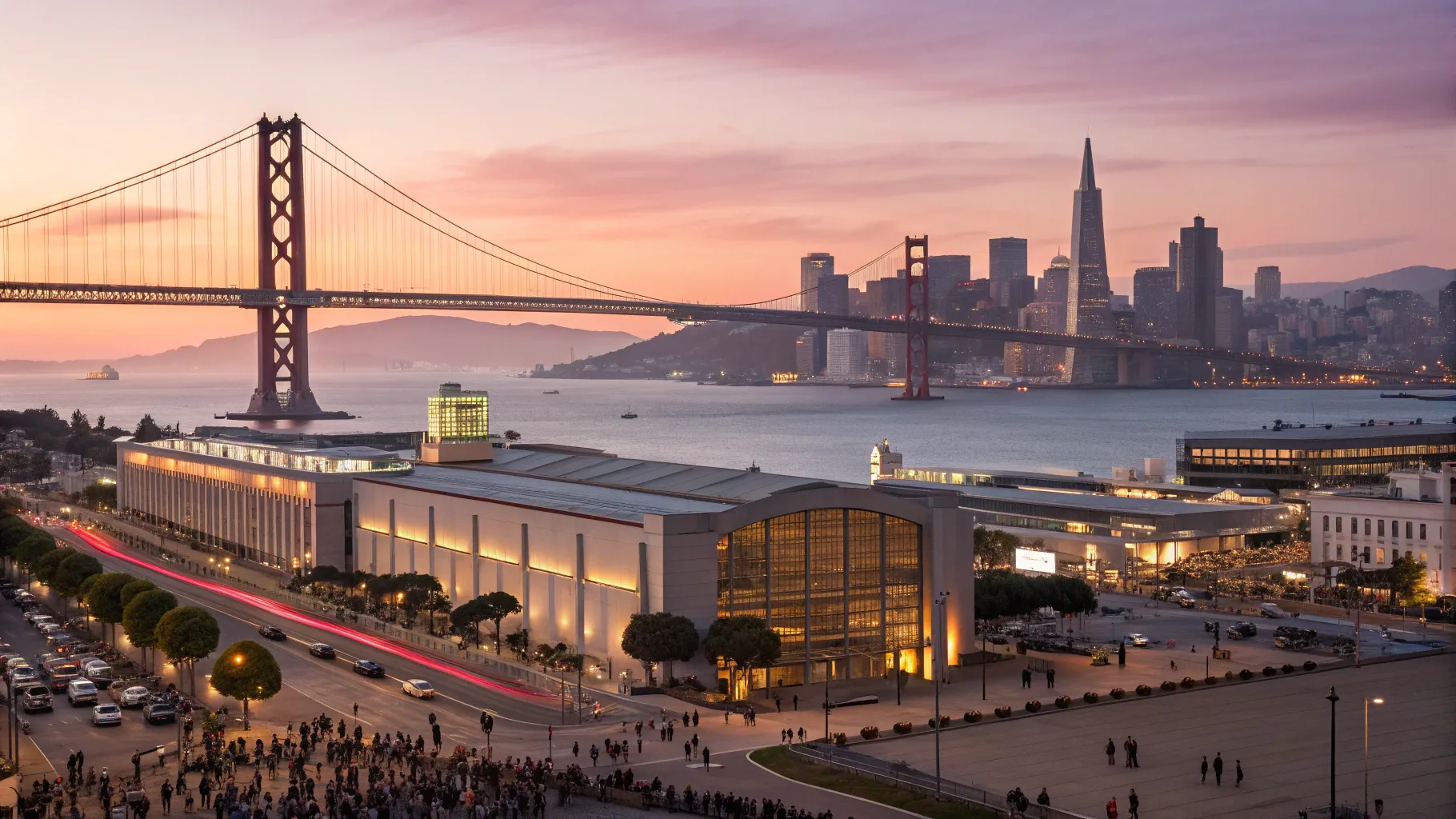
With less than a day to go, TechCrunch Disrupt 2025 is set to open in San Francisco as ticket prices rise and a crowd of 10,000 descends on the city. Running October 27–29, the conference expects founders, executives, and venture capital firms to convene for three days of product news, networking, and investor meetings.
Travel bookings and last-minute passes are tightening, while organizers brace for heavy foot traffic at the venue and across downtown. The timing and price shift could nudge undecided attendees to finalize plans now.
“In less than 24 hours, TechCrunch Disrupt 2025 takes over San Francisco, and ticket rates rise.”
“From October 27–29, 10,000 tech leaders and VCs will gather.”
Background: A Stage Known for Startup Debuts
Disrupt has long been a launchpad for early-stage companies, founder interviews, and product reveals. Past editions have drawn press, corporates, and investors looking for signals on where money will flow next. The event’s on-stage competitions and demos have helped young firms reach customers and attract funding.
San Francisco has hosted many of the conference’s most closely watched moments. The city’s deep pool of engineers, founders, and investors makes it a convenient meeting point. This year’s stated attendance of 10,000 suggests continued interest in in-person gatherings despite a steady stream of virtual events elsewhere.
Rising Ticket Rates Put Pressure on Late Buyers
The price increase adds urgency for those still on the fence. While higher rates are common near showtime, the shift can change who attends and which teams make the trip. Startups balancing lean budgets may split attendance between founders and sales staff to control costs.
Conference planners often use price tiers to keep schedules predictable. It helps manage capacity for keynotes, workshops, and security. For attendees, late buying can mean fewer hotel choices and higher fares, especially around a major downtown venue.
Why San Francisco Still Matters
San Francisco remains a draw for dealmaking. Investors can stack back-to-back meetings with founders already in town. Corporate scouts visit to scan demos and meet partners. The city’s transit links and dense tech community make quick introductions easier than in a dispersed setting.
Local businesses also get a lift. Restaurants, ride-hailing services, and hotels benefit when thousands of visitors arrive at once. City officials and neighborhood groups often view large conferences as a chance to show momentum in the urban core.
What Attendees Expect on the Ground
Attendees typically plan tightly packed days. Mornings go to keynotes or interviews with founders and investors. Afternoons focus on product demos, pitch blocks, and small-group sessions. Evenings fill with off-site meetups and private dinners.
- Early-stage startups use booth time to court pilot customers.
- Investors schedule quick screens to build a pipeline.
- Corporate teams scout partnerships and potential acquisitions.
Announcements often cluster around day one. Startups target the largest press presence and social media interest. Investors watch for hints about hiring plans, go-to-market strategies, and near-term revenue targets.
Signals to Watch
Funding appetite will be a key topic in hallway talks. Founders want clarity on round sizes, valuations, and timelines. Investors will look for durable revenue stories and efficient growth plans. Corporate buyers may compare integration paths and procurement hurdles.
Another theme is the shift back to in-person connection. Many teams say face time speeds due diligence and builds trust in a way video calls do not. The size of this week’s crowd will serve as a test of how far that shift has gone.
As doors open, attention will turn to product launches, partnership news, and onstage interviews that could shape startup priorities this quarter. With ticket prices up and schedules tight, the event favors teams that arrived prepared. The next three days should offer a clear read on investor mood, founder focus, and which ideas are gaining traction. Watch for early announcements on day one, a wave of demos on day two, and follow-on meetings that carry deals into November.

Rashan is a seasoned technology journalist and visionary leader serving as the Editor-in-Chief of DevX.com, a leading online publication focused on software development, programming languages, and emerging technologies. With his deep expertise in the tech industry and her passion for empowering developers, Rashan has transformed DevX.com into a vibrant hub of knowledge and innovation. Reach out to Rashan at [email protected]