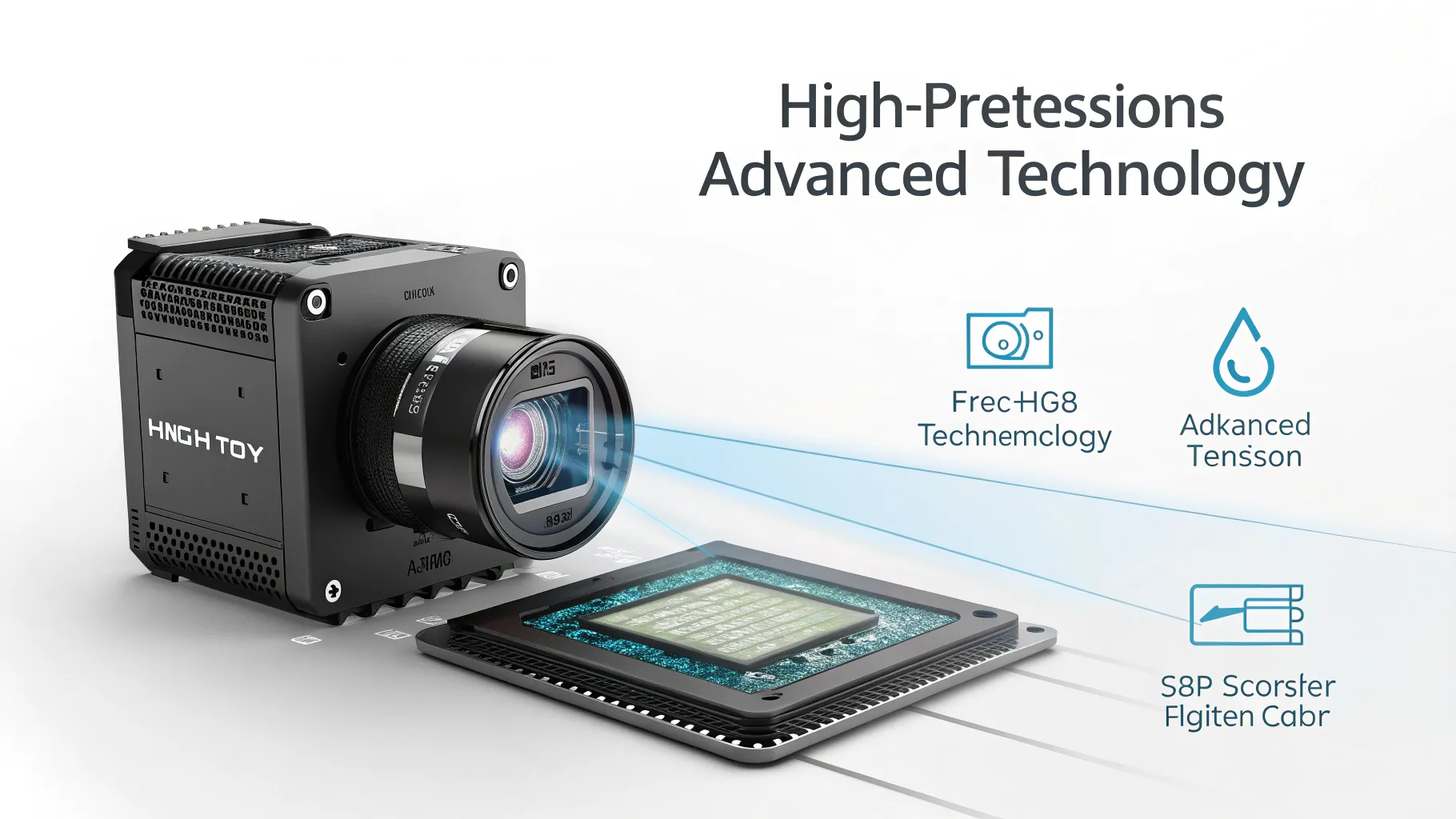
Teradar introduced a new sensor that operates in the terahertz band and claims to combine the strengths of radar and lidar. The company says the design reduces common drawbacks seen in both technologies. The announcement positions the startup in a growing race to equip vehicles, robots, and security systems with sharper and safer perception tools.
The launch comes as automakers and industrial firms seek reliable sensing in poor weather and complex environments. Teradar has not yet shared a release date or price, but the concept signals a push to rethink how machines see the world.
“Teradar’s sensor uses the terahertz part of the electromagnetic spectrum, and combines the best traits of radar and lidar sensors without some of the drawbacks.”
Why Terahertz Matters
Radar has long been valued for reliable range and speed detection in rain, fog, and dust. Lidar is prized for fine 3D detail and object mapping. Each has limits. Radar can struggle with resolution. Lidar can be costly and can have reduced performance in heavy precipitation or glare.
Terahertz waves sit between microwaves and infrared. They can offer higher resolution than traditional automotive radar while maintaining some ability to see through certain materials. That mix could help detect small objects and measure distance with improved detail.
Researchers have explored terahertz for years in security screening, materials analysis, and lab imaging. Bringing it to vehicles and robots at scale has been difficult due to power, size, and cost. Teradar’s claim suggests progress on those barriers.
How a Hybrid Approach Could Work
The promise is a single unit that measures range and velocity like radar, while building detailed 3D maps closer to lidar. If achieved, that could simplify sensor stacks and cut calibration steps. It could also reduce blind spots and improve classification.
- Better resolution than many radar systems.
- More resilience than lidar in fog, spray, or dust.
- Potential to detect hidden defects under thin surfaces.
- Integrated range, velocity, and imaging in one package.
Engineering details remain scarce. Key questions include output power, detector sensitivity, beam steering method, and how the system manages atmospheric absorption at certain terahertz frequencies.
Potential Uses Across Industries
Automotive suppliers continue to look for sensors that maintain performance across weather and lighting. A terahertz hybrid could support highway pilot features, collision avoidance, and pedestrian protection. It might help with debris detection that standard radar misses and lidar struggles to classify in rain spray.
In factories, terahertz sensing could scan coatings, adhesives, and composite parts for voids or thickness variations. Robots might inspect products without touching them, improving quality control and reducing waste.
Security screening is another fit. Terahertz can reveal concealed items with less ionizing risk than X-ray systems. Drones could use the sensors for obstacle avoidance and structural inspections, especially near power lines or in dusty sites.
Market Response and Open Questions
Industry analysts see promise but warn that terahertz hardware has faced hurdles. Efficient sources, compact arrays, and low-cost detectors are difficult to manufacture. Beam steering without bulky moving parts is a design challenge.
Automakers will also look for safety validation, electromagnetic compliance, and clear performance numbers. They will ask for proven range in rain and snow, and low false alarms with reflective signs and glass.
Competing approaches are advancing as well. Imaging radar is adding more channels and smarter processing. Solid-state lidar is becoming smaller and cheaper. Camera systems keep improving with better HDR and thermal options. Teradar must show clear gains over these maturing tools.
What to Watch Next
Key milestones will include third-party testing, published performance metrics, and integration trials with vehicle and robot makers. Demonstrations in adverse weather will be critical, along with night performance and glare resistance.
If Teradar can ship a compact module with automotive-grade reliability, it could change sensor mix decisions. Tier-one suppliers may evaluate whether a terahertz hybrid can replace multiple units or simply add redundancy.
Software will matter, too. Signal processing and machine learning must turn terahertz data into clean detections and classifications. Open interfaces and tool support will help developers adopt the device.
Teradar’s message is clear: a single sensor that narrows the gap between radar and lidar could reduce complexity and improve safety. The next steps will test if the technology can meet cost targets and survive harsh conditions. Buyers will watch for verified range, resolution, and weather resilience claims as the product moves from concept to road and factory floors.

Rashan is a seasoned technology journalist and visionary leader serving as the Editor-in-Chief of DevX.com, a leading online publication focused on software development, programming languages, and emerging technologies. With his deep expertise in the tech industry and her passion for empowering developers, Rashan has transformed DevX.com into a vibrant hub of knowledge and innovation. Reach out to Rashan at [email protected]