Tesla issued new guidance as deliveries fell and production of its Cybertruck slowed earlier in the year. The update signals more caution inside the company and highlights the challenge of scaling a complex new vehicle while managing softer demand for electric cars.
The company did not release detailed figures alongside the statement, but the timing drew attention. The guidance arrived after a weaker delivery tally and reports of production pauses affecting the Cybertruck ramp at its Texas factory. Investors and suppliers are watching to see how management balances output, pricing, and costs in the coming quarters.
Background: Deliveries and the Cybertruck Ramp
Deliveries are a key indicator of demand and operational performance for any automaker. A decline often reflects a mix of factors, such as pricing strategy, incentives, model mix, and regional demand shifts. For Tesla, the pressure has grown as competitors add models and buyers weigh financing costs.
The Cybertruck has drawn intense interest since its reveal, but it is also one of the company’s most complex vehicles to build. The stainless steel body, new manufacturing steps, and a fresh supply chain have tested the ramp. Periodic slowdowns are not unusual during early production, yet they can weigh on near-term output and margins.
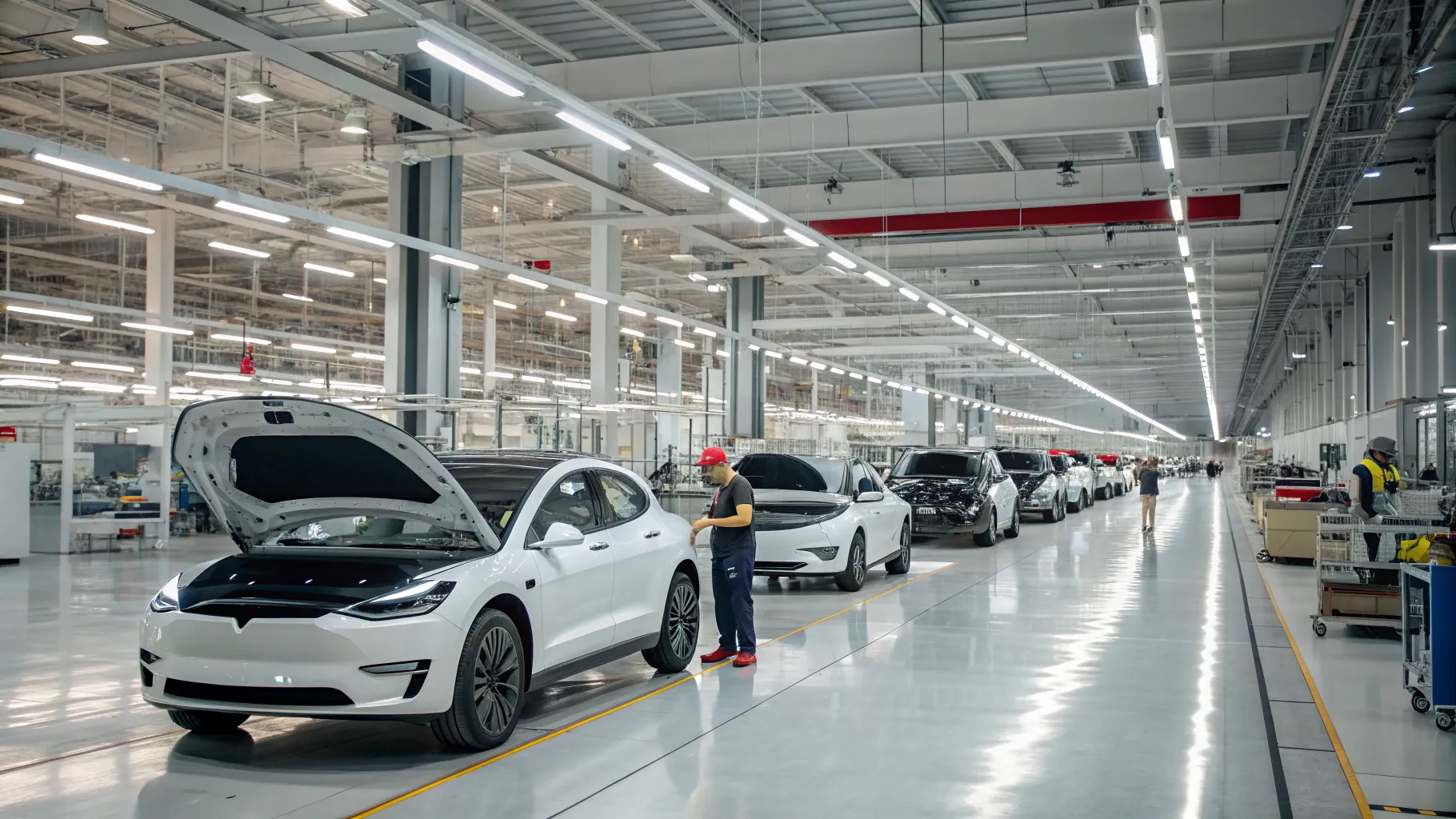
The guidance comes amid a drop in deliveries and earlier slowdowns of Cybertruck production.
Investor Reaction and Market Context
Investors tend to treat guidance changes as signals about near-term momentum. A cautious tone can point to slower growth or tighter margins, even if long-term plans remain intact. The broader electric vehicle market has also cooled from its fastest growth phase, with buyers more price sensitive and incentive-driven.
Analysts say three themes will shape the next phase:
- How quickly Cybertruck production stabilizes at higher volumes.
- The mix between premium models and lower-priced trims across regions.
- Pricing strategy as rivals compete with discounts and new entries.
Operational Implications of Slower Output
Lower deliveries can ripple through factory schedules, supplier orders, and logistics. Plants may adjust shifts or pause lines to refine processes and quality checks. That can reduce waste and improve yields, but it also raises unit costs in the short term.
For the Cybertruck, the learning curve is steep. Early bottlenecks can include body panel fit, specialized tooling, and battery pack throughput. Each constraint eased can unlock the next set of gains. Management must balance speed with quality, especially for a high-visibility vehicle that shapes brand perception.
Pricing, Margins, and Demand
Tesla’s delivery trends are tightly linked to pricing. Prior price cuts expanded the buyer pool but thinned margins. With slower deliveries, the company faces a trade-off: protect profitability or push volumes with more incentives. The answer may vary by region, depending on local competition and tax credits.
Fleet and commercial channels could help steady volumes, but retail demand remains the main engine. Software revenue, paid features, and energy products may offset some pressure, yet the core auto business still drives results.
What To Watch Next
The next key markers include production run-rates, delivery updates by model, and any comments on supply constraints or retooling. Clarity on Cybertruck throughput will matter for both revenue and fixed-cost absorption. Management’s stance on capital spending and new model timing will also guide expectations.
Regulatory credits and localized manufacturing could support results in select markets. However, the central question remains how fast Tesla can turn early production lessons into consistent, higher-volume output without heavy discounting.
Tesla’s latest guidance highlights a careful approach as it manages a delivery dip and a complex vehicle ramp. The company still has significant brand strength and a deep order funnel, but execution will decide the pace of recovery. Watch for steadier Cybertruck volumes, disciplined pricing, and signs that factory efficiency is improving. Those shifts would signal a firmer footing heading into the next set of quarterly results.

Rashan is a seasoned technology journalist and visionary leader serving as the Editor-in-Chief of DevX.com, a leading online publication focused on software development, programming languages, and emerging technologies. With his deep expertise in the tech industry and her passion for empowering developers, Rashan has transformed DevX.com into a vibrant hub of knowledge and innovation. Reach out to Rashan at [email protected]