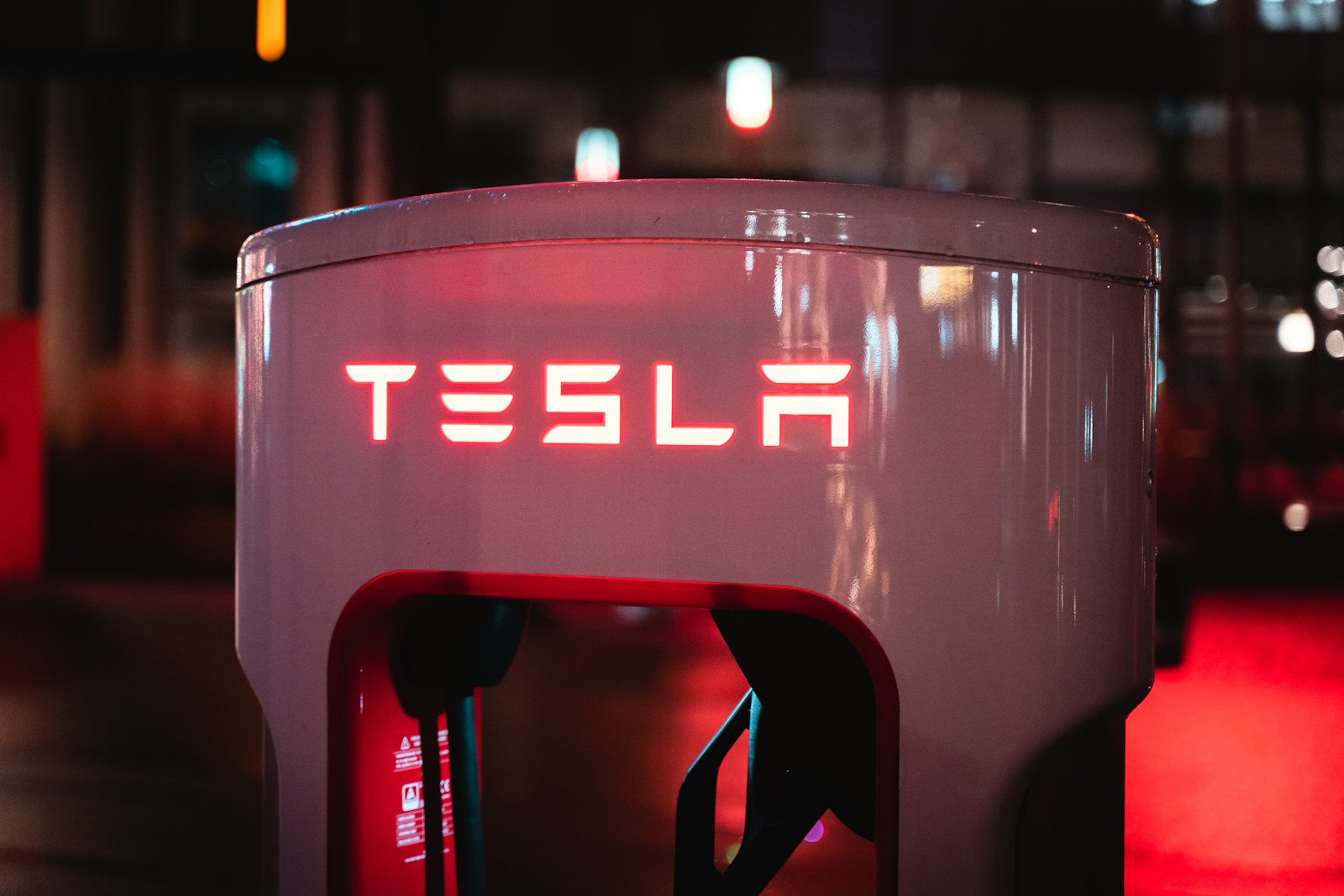
Tesla is making significant strides to lead the robotaxi industry. The company’s highly anticipated autonomous ride-hailing service is set to debut next month in Austin, Texas. This puts Tesla in direct competition with Waymo, a subsidiary of Google’s parent company Alphabet.
https://x.com/teslaownersSV/status/1926731674353615161
Waymo has already established a presence in San Francisco and is expanding to other cities. The market for robotaxis has progressed beyond initial amazement. The stakes for Tesla to master this technology are enormous.
https://x.com/teslaownersSV/status/1926662912581435851
Interestingly, Tesla’s robotaxi service is not yet operational. Elon Musk recently announced that Tesla’s robotaxis will employ geo-fencing. This means they will navigate safely around problematic areas.
https://x.com/gailalfaratx/status/1925980264733278574
Musk made this announcement at a crucial time. Tesla’s stock has surged by approximately 40% since Musk emphasized the robotaxi initiative. He also reasserted his focus on Tesla.
Musk addressed concerns regarding Tesla’s Full Self-Driving (FSD) software. This came after a recent incident where the technology ran a red light. Musk said Tesla’s upcoming robotaxi service in Austin will be geo-fenced.
It will avoid certain intersections deemed unsafe. Tesla plans to launch its robotaxi service next month.
Tesla’s geo-fenced approach in Austin
Initially, it will limit the service to specific areas within Austin. This approach is similar to strategies used by other companies, such as Waymo. Waymo also uses geo-fencing to keep its autonomous vehicles in safer parts of a city.
The discussion on Tesla’s FSD software emerged after tests revealed an issue. Tesla’s FSD ran a red light at a complex intersection in San Francisco. When asked about this during a CNBC interview, Musk questioned the validity of the comparison.
He noted that the test involved Tesla’s FSD Supervised mode. This mode requires a driver to be ready to take control. It is different from the fully autonomous mode intended for robotaxis.
Musk emphasized that the robotaxi service will navigate through Austin’s streets selectively. “When we deploy the cars in Austin, we are actually going to deploy it not to the entire Austin region but only to the parts of Austin we consider to be the safest,” he said. “It’s not going to take intersections unless we are highly confident it’s going to do well with that intersection.”
The tests showed a similar approach by Waymo.
Their vehicles rerouted to avoid complicated intersections. They chose routes that, while longer, were deemed safer. Musk also shared his ambitious rollout plan for the robotaxi fleet: “We’ll start with probably 10 for a week, then increase it to 20, 30, 40.
It will probably be at 1,000 within a few months.”
Tesla’s spokesperson and Musk did not immediately respond to requests for further comments on the specifics of the test results. Many people are watching closely to see how the technology will perform in real-world scenarios. The deployment of Tesla’s robotaxi service is highly anticipated.

A seasoned technology executive with a proven record of developing and executing innovative strategies to scale high-growth SaaS platforms and enterprise solutions. As a hands-on CTO and systems architect, he combines technical excellence with visionary leadership to drive organizational success.