A Texas school built on software-led instruction has unraveled, raising urgent questions about how far schools can go in replacing teachers with technology. The project promised lower costs and personalized lessons. It ended with dissatisfied families, uneven learning, and unanswered policy concerns.
The plan was pitched as a modern fix for crowded classrooms and tight budgets. Students would learn through adaptive software, with minimal in-person teaching. It was set in Texas, where school choice and experimentation have gained new attention. The model struggled to deliver on core academics and student support, and now faces public scrutiny.
How the Experiment Was Supposed to Work
The school was designed around software platforms that track progress and adjust lessons. Leaders framed it as a step toward individualized learning at scale. Students would move at their own pace. Staff would serve as facilitators rather than instructors.
Advocates argued the format could produce consistent content quality and reduce staffing costs. Families were told they would see faster feedback, clearer metrics, and fewer classroom disruptions. The promise of measurable growth and flexible schedules drew interest.
Background and Context
Texas has been a testing ground for charter models and digital tools. The state’s size, diverse districts, and ongoing debates over funding create conditions for rapid pilots. After remote learning expanded across the country in recent years, many districts sought technology that could personalize lessons and reduce gaps.
Experience showed that software can support practice and assessment. But it does not solve for mentorship, motivation, and complex instruction in reading, writing, math, and science. Families also expect safe spaces, trusted adults, and social learning—needs that are hard to meet with screens alone.
What Went Wrong
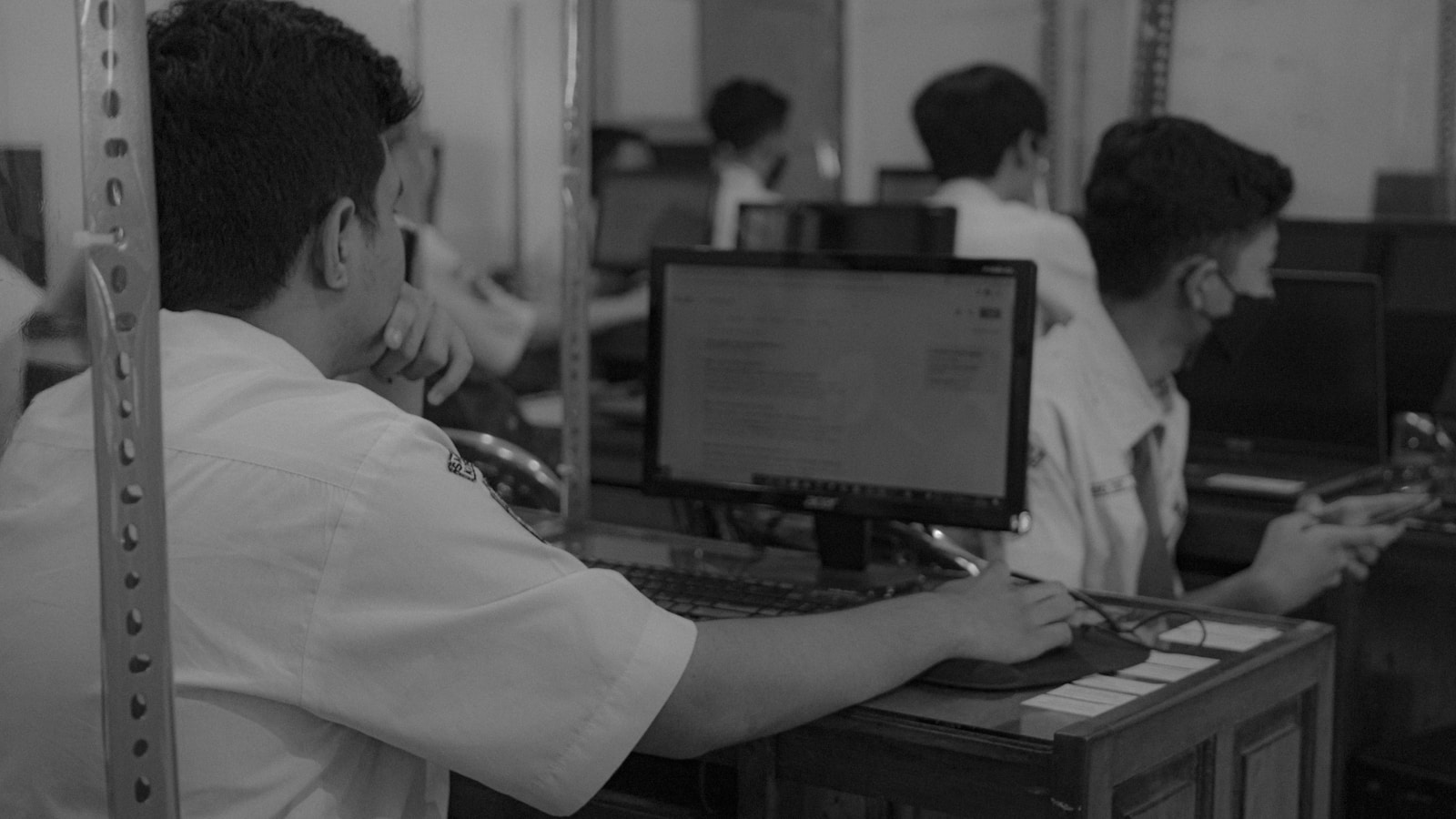
Parents and students reported that the daily experience did not match the promise. Without steady, skilled teachers, many learners stalled. Some struggled to stay engaged, especially younger students and those who needed more guidance. Technical glitches slowed lessons. Scheduling issues and limited enrichment added to the frustration.
- Software pacing did not match student needs in key subjects.
- Facilitators lacked training to address gaps in real time.
- Students missed peer discussion and direct feedback.
- Families saw weak communication on progress and support.
In practice, the model shifted core instructional duties from trained teachers to algorithms and lightly staffed rooms. That saved money on paper but cost students the coaching and adaptation that strong teachers provide every day.
Impact on Students and Parents
Families faced tough choices as results lagged. Some sought transfers. Others hired tutors to fill gaps. Students who needed special education services or language support were hit hardest, since many supports depend on expert staff and careful, in-person instruction.
Social development also suffered. Group projects and lab activities gave way to solo screen time. For many parents, the promise of “advanced personalization” felt like isolation. The mismatch between glossy marketing and daily reality eroded trust.
Budget and Accountability Pressures
Cost-saving was a silent driver. Software licenses, fewer full-time teachers, and larger groups of students per adult were meant to stretch dollars. But schools are accountable for results, attendance, and safety. When outcomes dipped, savings were overshadowed by academic and reputational costs.
State rules also matter. Testing, special education compliance, and teacher certification can complicate quick pivots to new models. Programs that overlook these guardrails often falter once families and regulators ask for proof.
Lessons for Policymakers and School Leaders
Technology can support teachers, but it rarely replaces them. Effective models use software as a supplement, not a substitute. Tutors, coaches, and certified teachers remain central to student growth, especially in early grades and for students with extra needs.
Leaders weighing similar ideas may focus on a few practical steps:
- Pilot with small groups and independent evaluations before scaling.
- Maintain strong teacher presence for core instruction.
- Provide training so staff can intervene when software falls short.
- Set clear guardrails for student well-being, time on screens, and social learning.
- Publish transparent results so families can make informed choices.
What Comes Next
The collapse of the Texas project is a cautionary tale for districts chasing quick fixes. It shows that personalized education requires more than algorithms. It needs trained educators, time for discussion, and real relationships.
As school systems plan budgets and schedules, many will still buy software. The key question is how it fits into a full program. Watch for models that pair technology with high-dosage tutoring, smaller classes, and clear accountability. Families will be looking for evidence of better learning, not just new platforms.
The lesson is simple: tools can help, but teachers carry the work that software cannot. Sustainable change blends both, measures progress early, and keeps students’ daily experience at the center.

Kirstie a technology news reporter at DevX. She reports on emerging technologies and startups waiting to skyrocket.