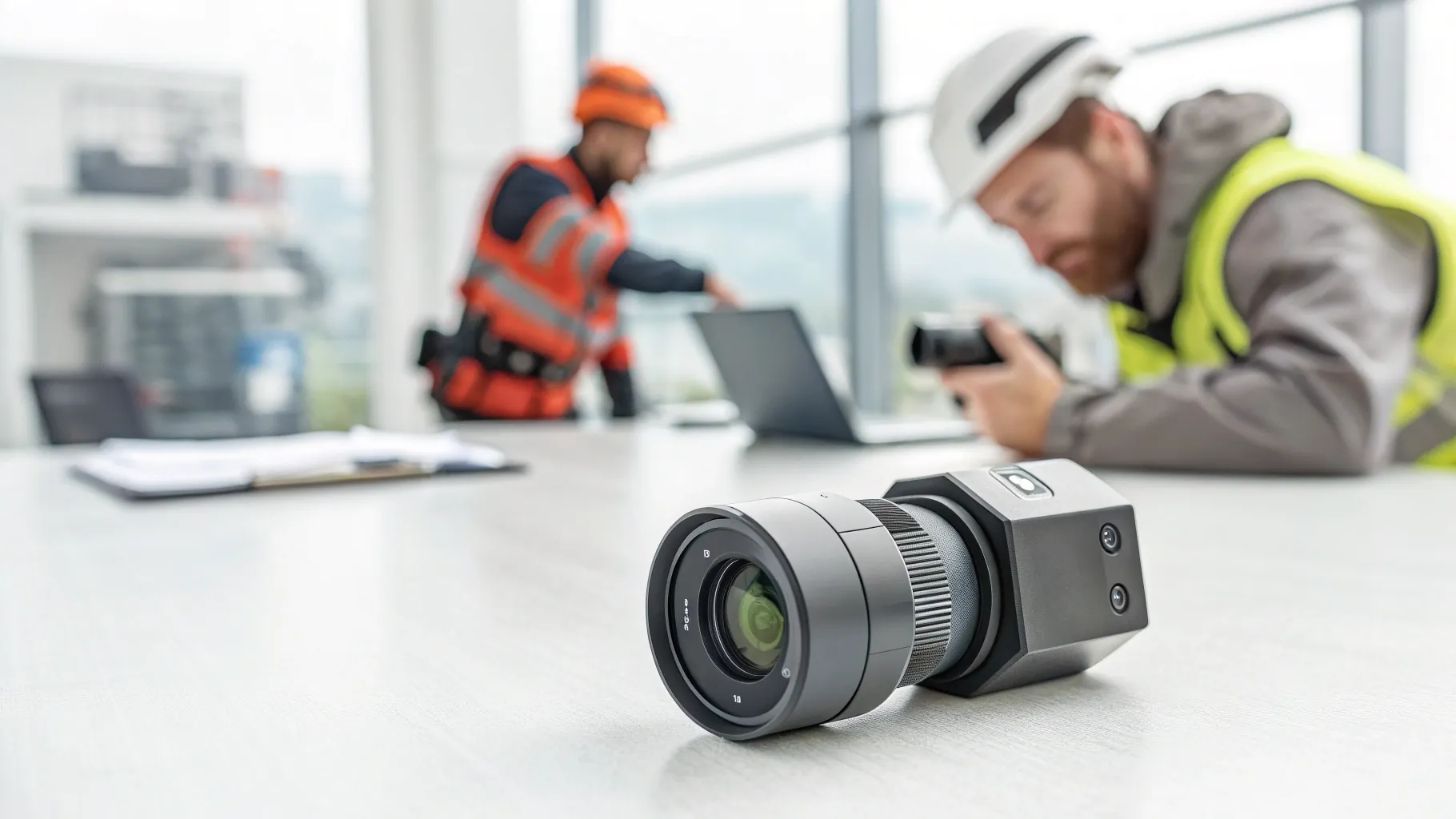
A pocket-size thermal camera billed as the Thermal Master P3 is drawing early praise in 2025 for its professional performance and miniature build. The device, said to be no larger than a thumb, is getting attention from reviewers and early users who see it as a new option for field work and consumer tech. Interest is rising as compact imaging tools move from niche gear to everyday kits for contractors, first responders, and hobbyists.
The appeal is clear. A unit this small could fit in a shirt pocket but still claim features once reserved for full-size rigs. That combination has pushed it into conversations about the next wave of mobile thermal imaging.
What Reviewers Are Saying
“The Thermal Master P3 has quietly emerged as one of the most promising compact heat-seeking cameras of 2025, managing to pack professional-level performance into a thumb-sized device.”
“And there’s a reason for the praise.”
Early commentary stresses two points: size and performance. The quotes point to an effort to bring pro features into a very small form. While full technical specs were not detailed, the framing suggests attention to resolution, refresh rate, and software support, the features that most shape image clarity and tracking.
Why Size Matters in Thermal Imaging
Thermal cameras have shrunk for years, but trade-offs often remained. Small units could be easy to carry, yet image noise and low frame rates limited use. Larger rigs delivered better clarity but were heavy and costly. A device that narrows this gap can change who uses thermal imaging and how often it comes out of the bag.
Contractors could scan for heat loss or moisture without hauling bulky gear. Wildlife observers might track animals at dawn without a large lens. Technicians could diagnose hotspots in panels during quick site visits. The P3’s pitch appears to target this on-the-go work.
Potential Uses and Limitations
Thermal imaging is useful across many tasks, but each job has distinct needs. A compact camera will suit fast checks and basic diagnostics. Demanding jobs may still require higher-end sensors and lenses.
- Home energy audits and insulation checks
- Electrical hotspot detection during routine maintenance
- Outdoor observation and safety patrols
- Search support in low-visibility conditions
- Hobby use for learning and tinkering
Battery life, thermal sensitivity, and app stability will define real-world results. If the camera relies on a phone, connection quality and heat management could affect performance. A small body must also dissipate its own heat to maintain sensor accuracy.
Market Context in 2025
Interest in compact thermal tools has grown as prices fall and mobile apps improve. Competing products often split along two lines. Some pair a phone add-on with an app to keep costs down. Others build an all-in-one handheld with bigger batteries and controls. The P3 appears to aim for the first route, focusing on portability and value.
Buyers weigh several factors before switching. They include sensor resolution, refresh rate, color palettes, and export options. Service and calibration policies also matter, since thermal sensors drift over time. A small camera that includes clear support and updates could build trust fast.
Privacy and Safety Questions
Thermal imaging does not see through walls, but it can spot heat patterns that people may find sensitive. Apartment dwellers may worry about scans near living spaces. Public safety use raises questions about policy and consent. Clear guidance from makers and agencies helps reduce confusion. Users should follow local rules and respect private settings.
What To Watch Next
The strongest claims here focus on pairing professional-level performance with a thumb-sized body. Proof will rest on side-by-side tests against known models. Independent reviews should check sensitivity, calibration drift, software reliability, and support.
Price, warranty, and accessory options will also influence adoption. A smart mount, protective case, and quick-learn tutorials can shorten the path from unboxing to useful work. If the P3 holds image quality under long use, it could become a go-to tool for field technicians and enthusiasts.
The early buzz points to a clear trend: more capability in less space. If this device delivers as described, compact thermal imaging may reach a wider audience this year. Watch for verified benchmarks, firmware updates, and field reports that confirm whether the promise holds under daily use.

A seasoned technology executive with a proven record of developing and executing innovative strategies to scale high-growth SaaS platforms and enterprise solutions. As a hands-on CTO and systems architect, he combines technical excellence with visionary leadership to drive organizational success.