The Trump administration quietly released key climate change data last week without the usual expert analysis from the National Oceanic and Atmospheric Administration (NOAA). The agency’s findings showed that atmospheric levels of carbon dioxide (CO2) increased by a record amount in 2024. In the past, NOAA has issued a public report with a detailed explanation of annual CO2 measurements.
This year, NOAA’s public affairs officials decided to only make brief social media posts on April 14. The posts did not highlight the record-high rise in CO2 concentrations. The new data, collected by NOAA’s Global Monitoring Laboratory, showed that CO2 levels grew by 3.75 parts per million (ppm) in 2024.
This increase is 25% larger than the previous record jump of 2.96 ppm, set in 2015. The average concentration of CO2 for 2024 was 422.7 ppm.
Record CO2 rise and limited analysis
Scientists say the rise is due to record-high air and ocean temperatures. They also suggest that forests and other land areas may be absorbing less CO2 than in previous years. Since the start of the industrial revolution, atmospheric CO2 levels have surged from 280 ppm to the current levels recorded by NOAA.
The planet’s ability to absorb CO2 from the atmosphere into forests and oceans is a critical buffer against more severe climate impacts. In 1979, when NOAA began calculating globally averaged CO2 measurements, the average was about 337 ppm. The Trump administration has proposed major cutbacks to climate research.
This includes shutting down labs responsible for CO2 measurement. Scientists and environmental advocates are concerned about the future of climate data transparency and integrity.
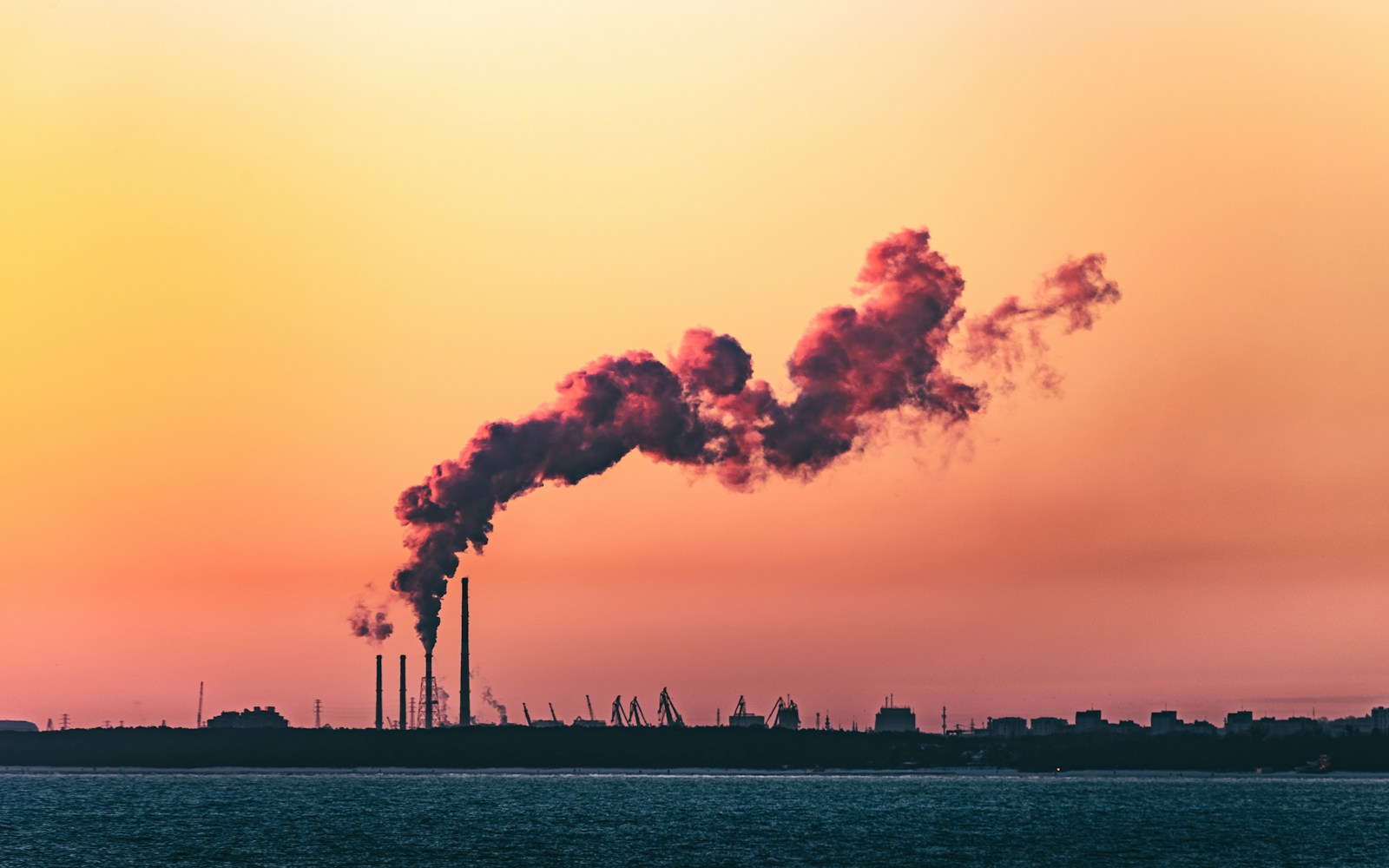
Image Credits: Photo by Marek Piwnicki on Unsplash

Cameron is a highly regarded contributor in the rapidly evolving fields of artificial intelligence (AI) and machine learning. His articles delve into the theoretical underpinnings of AI, the practical applications of machine learning across industries, ethical considerations of autonomous systems, and the societal impacts of these disruptive technologies.