President-elect Donald Trump’s plans for his second term have raised concerns among environmental experts. Trump, a climate skeptic, has pledged to cancel tax credits for electric vehicles and clean energy projects, unravel ecological regulations, and claw back unspent funds from landmark climate legislation passed by outgoing President Joe Biden. Rachel Cleetus, the policy director for climate and energy at the Union of Concerned Scientists, said, “We have no illusions that this is going to be a very destructive administration.
They are anti-science at their core.”
Trump’s pick to head the Environmental Protection Agency, Lee Zeldin, has consistently opposed environmental protection and clean energy investments during his time in office. Zeldin is expected to target many strict new rules introduced by the Biden administration, covering everything from air and water pollution to drilling, biodiversity, and toxic substances. Leading environmental groups have criticized Zeldin’s nomination.
Ben Jealous, executive director of the Sierra Club, said it “lays bare Donald Trump’s intentions to, once again, sell our health, our communities, our jobs, and our future out to corporate polluters.”
A key focus of Trump’s energy policy is his vow to turbocharge the extraction of fossil fuels. He has spoken of restoring America’s energy independence and promised voters he will “cut your energy prices in half.” Trump wants to boost oil and natural gas extraction in the US, at the expense of renewable energy. Renewable energy projects and electric cars will also be in the crosshairs come January.
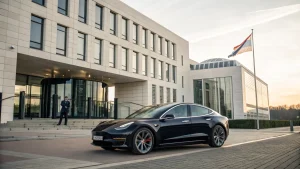
Trump is looking to undo federal mandates to reduce vehicle emissions and billions in consumer tax credits for electric cars, part of Biden’s 2022 Inflation Reduction Act. While the raft of changes under Trump have alarmed environmental experts, Cleetus said it won’t happen overnight.
Trump’s environmental policy shifts ahead
“There are many things that can’t be undone just by the stroke of a pen,” she said, citing the complex regulatory and administrative process, not to mention legal challenges. Cleetus added that the US may also not find it so easy to ignore environmental issues the second time around, both at home and on the international stage. “Climate has now become a top-tier issue in global diplomacy,” she said, pointing out the increasingly complex ties to trade, security, and economic issues.
As Trump prepares to take office, the expansion of AI data centers and a rush to export fracked gas are rapidly reshaping the energy landscape. The fossil fuel industry is eager to expand the market for cheap fossil gas produced by the fracking boom. However, allowing the industry to have its way could result in more climate-warming pollution and higher prices for consumers and businesses.
Energy Secretary Jennifer M. Granholm stated that increasing LNG exports would impose a “triple-cost increase” on U.S. consumers—higher domestic fossil gas prices, higher electricity costs, and increased prices for goods due to manufacturers facing higher energy costs. The fossil fuel industry profits significantly more from exporting fracked gas than selling it domestically.
Horizontal fracking has unlocked massive gas reserves, flooding the market, and the industry is eager to expand through new venues like AI data centers, which consume vast amounts of energy. As these trends unfold, Americans may experience significant changes in energy prices and policies, influenced by the competing interests of the fossil fuel industry, AI technology growth, and evolving government regulations.

Rashan is a seasoned technology journalist and visionary leader serving as the Editor-in-Chief of DevX.com, a leading online publication focused on software development, programming languages, and emerging technologies. With his deep expertise in the tech industry and her passion for empowering developers, Rashan has transformed DevX.com into a vibrant hub of knowledge and innovation. Reach out to Rashan at [email protected]