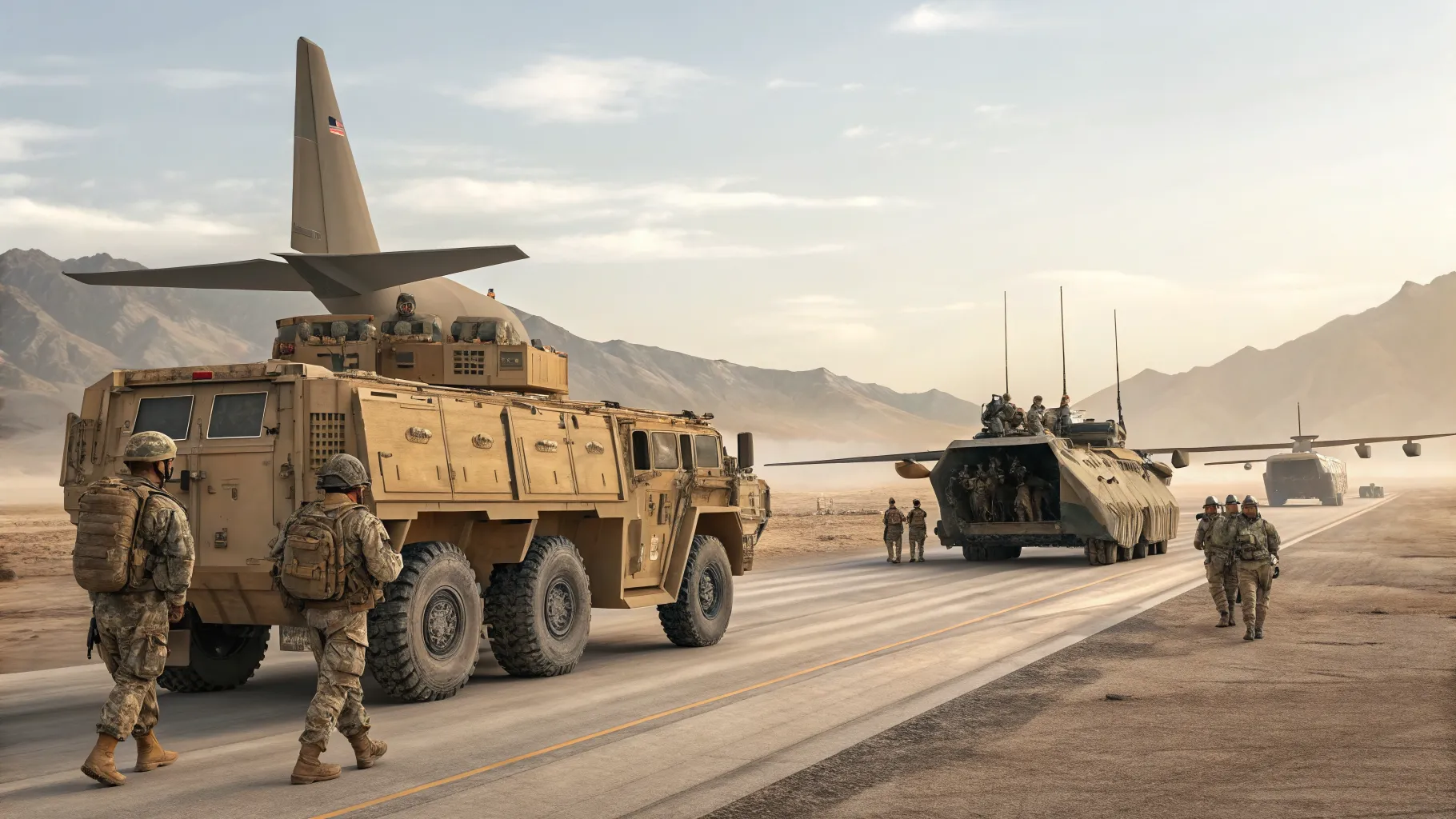
As thousands of additional American troops deploy to the Middle East, President Donald Trump says Iran has eased a weeks-long choke point at the Strait of Hormuz, allowing 20 boats to pass. The shift comes amid a report that the Pentagon is preparing for weeks of ground operations inside Iran, while stopping short of a full-scale invasion. NBC correspondent Matt Bradley reported the latest developments.
Strait of Hormuz at the Center
The Strait of Hormuz is one of the world’s most important sea lanes. It links the Persian Gulf with global markets. Energy analysts estimate that about one-fifth of the world’s oil trade moves through this narrow passage. Any disruption can send prices higher and strain supply chains.
U.S. officials have long viewed free passage through the strait as a vital interest. Iran has, at times, signaled it could restrict traffic as leverage during crises. That pattern has fueled repeated standoffs over shipping security, insurance costs, and naval patrols.
President Trump said Iran is “softening” its blockade after it “allowed 20 boats through the oil route.”
The claim suggests a tentative opening, though it is not clear if the change will hold or if it reflects a broader policy shift by Tehran.
Military Posture and Planning
The Washington Post reported that the Pentagon is preparing for weeks of ground operations in Iran that would fall short of a full invasion. That planning follows new U.S. deployments meant to reinforce regional deterrence and protect sea lanes.
The Pentagon is “preparing for weeks of ground operations in Iran, short of a full-scale invasion,” according to the report cited on air.
Defense planners often draft multiple options when tensions rise. Such options can range from targeted raids to limited strikes, and increased naval escorts. The objective is to shape the battlefield, protect U.S. forces, and set conditions for diplomacy if opportunities appear.
Signals From Tehran and Washington
Iran’s decision to let 20 vessels pass may be a tactical move. It could seek to ease pressure while keeping leverage. It might also test U.S. and allied responses at sea and in the air.
For Washington, the troop surge aims to reassure partners and deter escalation. It also positions forces to respond quickly if attacks on shipping or bases resume. NBC’s Matt Bradley framed the moment as part of a “widening war,” reflecting the risk that localized clashes could spread.
Economic and Energy Stakes
Markets react fast to trouble near Hormuz. Shipping insurers raise premiums. Tanker owners reroute vessels. Refiners look for alternate supplies. Even short interruptions can ripple through prices at the pump and consumer goods.
- About 20 percent of global oil trade moves through Hormuz.
- Delays can raise freight and insurance costs.
- Regional risk often pressures currencies and equities.
A limited easing—such as the reported passage of 20 boats—may calm traders briefly. But lasting stability usually requires clear security guarantees and verified maritime access.
Paths Ahead: Diplomacy, Deterrence, or Both
The current mix of military planning and guarded openings reflects a familiar cycle. Each side tests the other while leaving room for talks. Naval escorts and patrols can reduce risk but do not resolve the underlying dispute.
Regional partners will watch whether more ships pass without incident. They will also track any public signals from Tehran about inspections, escorts, or deconfliction lines at sea. On the U.S. side, clarity on rules of engagement and escort missions could shape commercial decisions by shippers and insurers.
The coming days will show if the passage of 20 vessels marks the start of a wider reopening or a brief pause. The reported Pentagon planning suggests Washington is preparing for sustained friction. Energy markets, regional allies, and commercial shippers will look for consistent maritime access and a cooling of rhetoric. If both sides sustain safe passage and keep channels open, the risk of a broader clash could ease. If not, the troop buildup and operational plans may move from paper to practice.

Kirstie a technology news reporter at DevX. She reports on emerging technologies and startups waiting to skyrocket.