The UN has declared 2025 as the Year of International Glacier Preservation. With glaciers disappearing at an alarming rate, it’s crucial to see them responsibly before it’s too late.
On an exceptionally warm July day in 2022, certified mountain guide Andrea Milani took a lunch break from rock climbing near the Italian Dolomites’ Passo Fedaia ascent.
While he ate pizza with two friends, a massive chunk of nearby Marmolada glacier broke off, triggering an avalanche. Eleven climbers tragically died that day. Now more than ever, climate change is making glacier travel more dangerous.
Glaciers provide ecosystem services and freshwater to millions around the world. As they shrink, there are significant and direct impacts on the global climate and sustainable development.
Join the #Glaciers2025 conversation and drive #ClimateAction: https://t.co/myDT6ezToo pic.twitter.com/aTNgD717x3
— World Meteorological Organization (@WMO) March 21, 2025
Rising temperatures make the snow covering crevasses and seracs less reliable,” says Milani, who guides climbers, skiers, bikers, and hikers safely across Northern Italy. One-third of glaciers could disappear by 2050, and for Marmolada, this could be as soon as 2040. This is why the United Nations has declared 2025 the Year of International Glacier Preservation and set 21 March 2025 as the first annual Glacier Day in partnership with UNESCO and the World Meteorological Organization.
Glaciers are critical to life, storing 70% of the world’s fresh water, regulating the climate & supporting ecosystems.
But they’re melting rapidly due to the climate crisis.
Learn more on Friday's first-ever #WorldGlaciersDay: https://t.co/13d9cuGHiH pic.twitter.com/4ZxjPHFtzf
— United Nations (@UN) March 21, 2025
The initiatives aim to mobilize governments and organizations to reduce greenhouse gas emissions and implement climate adaptation strategies to protect the planet’s 200,000 glaciers. Worldwide, human-caused climate change has melted so much ice from glaciers that the meltwater has raised the global sea level by 8cm since 1900,” says Patrick Gonzalez, former principal climate change scientist for the US National Park Service and assistant director for climate and biodiversity at the White House Office of Science and Technology Policy. Scenes like the one at Marmolada have played out across the planet repeatedly.
Over the past two decades, Bolivia’s 18,000-year-old glacier, once the world’s highest ski resort, has vanished. Italy and Switzerland were forced to close their skiing resorts last autumn due to the melt of the Matterhorn in Zermatt. And at Muir Glacier in Alaska’s Glacier Bay National Park, climate change has reduced its size dramatically.
These dense masses of ice, snow, and rock that have accumulated in the mountains over centuries on every continent except Australia are glaring evidence of man-made climate change. If all glaciers were to melt today, sea levels would rise by half a metre, leaving entire cities underwater, devastating ecosystems, and depriving millions of drinking water. Travellers can still visit glaciers like Marmolada safely – they just need to know how.
Seeing a glacier in nature can prompt efforts to protect the planet.
Preserving glaciers amid climate change
Glaciers are now symbols of Earth’s fragility, reminding us how, through simple cost-effective solutions like walking, biking, and purchasing solar and wind energy, we can help limit global warming.
While 91% of glaciers are in Antarctica, many can be found in more accessible parts of the world. Wapta Icefield, British Columbia, Canada
Mountaineers, skiers, and nature lovers from all over the world flock to the Canadian Rockies for irresistible high alpine terrain, including the Wapta Icefield. Straddling the majestic national parks on the Continental Divide, it’s all that remains of an ice mass that once enveloped most of western Canada’s mountains.
Ride to the Athabasca Glacier to walk the glass-floored skywalk with sweeping views over the waterfalls coming from the Sunwapta Valley’s glacier. If you are bold enough to climb the glacier, go with an experienced guide. “The primary danger is crevasses – deep, often hidden cracks in the ice that can be difficult to detect,” says mountain guide Jesse de Montigny.
“Weather conditions can change rapidly, creating whiteout conditions that make navigation difficult. Proper rope systems, glacier travel techniques, and crevasse rescue knowledge are essential for mitigating risk.”
Mendenhall, Alaska
Mendenhall is one of more than 100,000 glaciers in what’s aptly called the “Glacier State.” Inside the Tongass National Forest, 19 km from Juneau along the Alaska-Canada border, is the Juneau Icefield. It’s one of Alaska’s only glaciers that can be reached by car or shuttle.
As it has been melting excessively in recent years, you’ll need to join a helicopter tour to hike it. The glacier’s ice caves are no longer safely accessible.
Marmolada, Italian Dolomites
Known as the “Queen of the Dolomites,” Marmolada is within Northern Italy’s 12 interconnected resorts.
Take the cable car up, and whether you ride back down or ski the glacier, make a stop to learn about World War One tunnels dug by Austro-Hungarian soldiers who lived there for months in their glacier “Ice City.” Milani always tells his tour groups to stay aware and read the environment. “Glacier mountaineering isn’t just about skill; it’s about preparation, experience, and respect for the environment,” he says. His advice includes keeping a distance between climbers, checking the map and weather, and carrying proper gear.
Mer de Glace, France
Visiting Chamonix’s Mer de Glace has become easier via a new gondola from a 1,913m-high panoramic platform. There’s an on-site museum and even an ice cave that visitors can walk through – originally cut into the glacier in 1992 and now re-dug every summer because glaciers are always moving. Access the gondola by taking the train up the mountain from the town centre.
Travelling to these glaciers can be an eye-opening experience, emphasizing the need to protect these natural wonders from the effects of climate change.
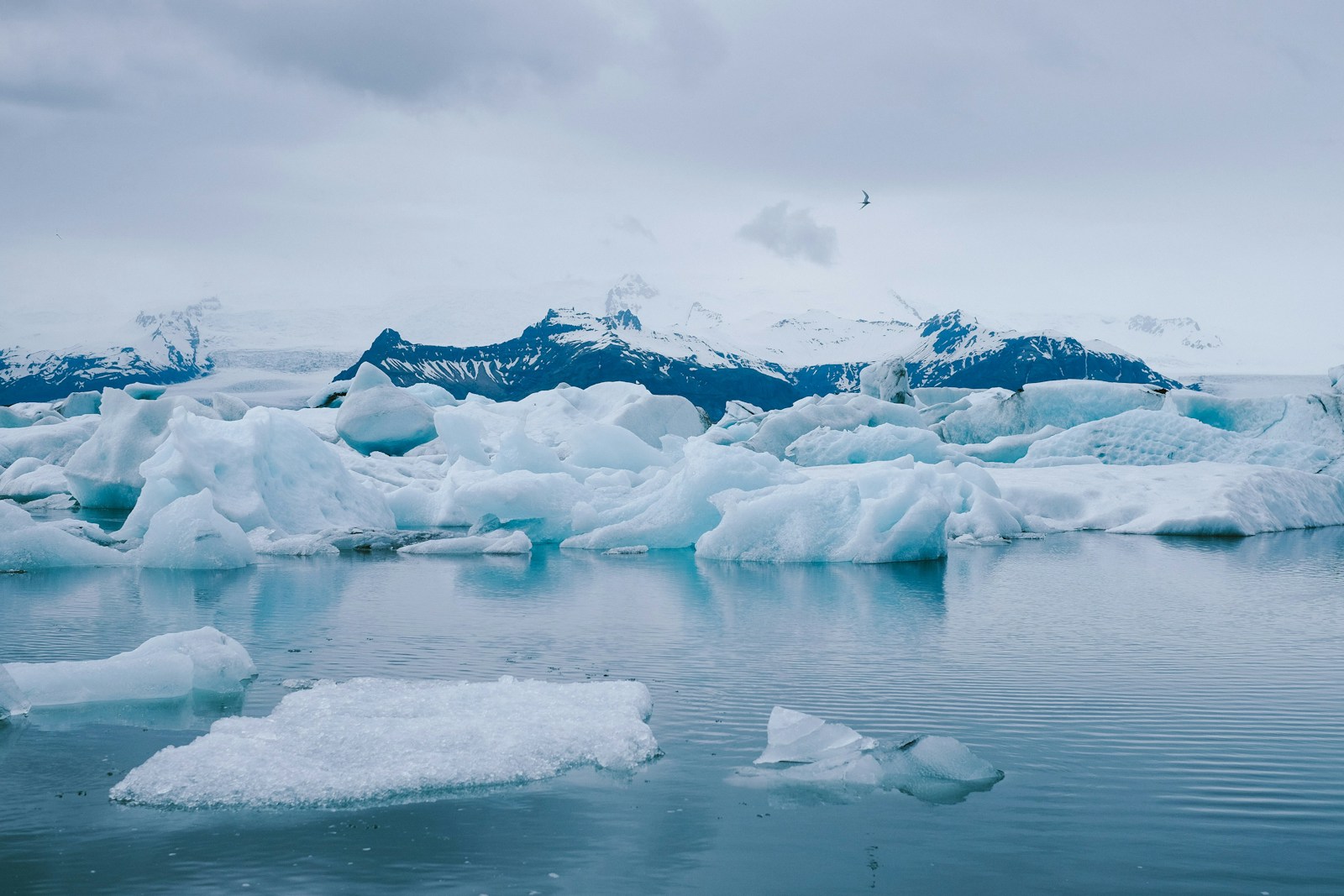
Image Credits: Photo by Ryan Richards on Unsplash

Johannah Lopez is a versatile professional who seamlessly navigates two worlds. By day, she excels as a SaaS freelance writer, crafting informative and persuasive content for tech companies. By night, she showcases her vibrant personality and customer service skills as a part-time bartender. Johannah's ability to blend her writing expertise with her social finesse makes her a well-rounded and engaging storyteller in any setting.