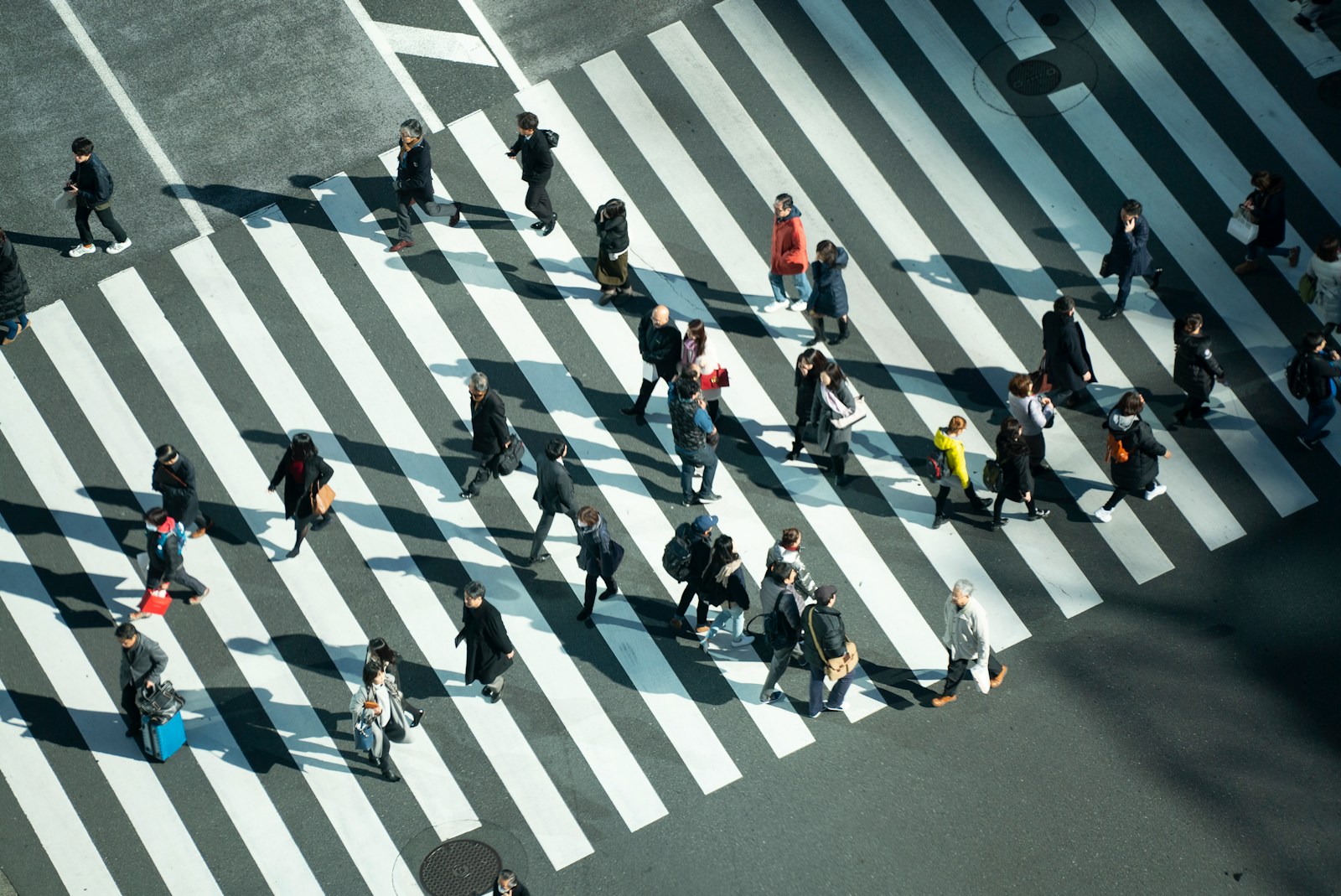
A recent study analyzing street-level video footage has revealed that urban pedestrians now move significantly faster through city streets compared to four decades ago. The research, which compared historical and contemporary footage, found that people walk 15 percent faster in cities today than they did in 1980.
The study also documented a notable decrease in the time people spend lingering in public spaces, suggesting a fundamental shift in how urban residents interact with their surroundings.
The Accelerating Urban Pace
Researchers examined decades of street-level video recordings from various cities, creating a unique longitudinal dataset that captures changes in pedestrian behavior over time. The 15 percent increase in walking speed represents a substantial change in urban movement patterns.
This acceleration in pedestrian pace reflects broader societal changes,” noted one of the study’s researchers. The data shows a clear trend toward faster movement through urban environments.
The findings align with previous research on urban mobility but provide the first comprehensive visual evidence of this acceleration across multiple decades and locations.
Declining Public Space Engagement
Perhaps more concerning to urban planners is the study’s second major finding: people spend less time stopping or lingering in public spaces than they did in the past. This reduction in what researchers call “dwell time” suggests changes in how city dwellers engage with their environment.
The analysis showed that activities such as window shopping, casual conversations with strangers, or simply sitting and observing city life have all decreased since 1980. Instead, pedestrians appear more focused on reaching their destinations quickly with minimal pauses.
The public realm is increasingly becoming a space people move through rather than a place people spend time in,” explained an urban design expert familiar with the research.
Potential Factors Behind the Change
The study points to several possible explanations for these behavioral shifts:
- Increased work demands and scheduling pressures
- The rise of digital devices and constant connectivity
- Changes in urban design that prioritize movement over gathering
- Economic factors that reduce leisure time
Technology appears to play a significant role, as smartphones now provide entertainment and social connection that once required physical presence in public spaces. Many pedestrians observed in recent footage were using mobile devices while walking, a behavior absent in the 1980s recordings.
Implications for Urban Planning
These findings present both challenges and opportunities for city planners and designers. The acceleration of urban movement patterns suggests cities may need to reconsider how public spaces function in contemporary society.
Some cities have already begun implementing “slow streets” and pedestrian-friendly zones that encourage people to slow down and engage more with their surroundings. These initiatives aim to counter the trend toward faster movement and less public interaction.
Public health researchers have also noted that the increased walking speed may have physical health benefits, though the reduction in social interaction could negatively impact mental well-being.
The study adds to growing evidence that urban life continues to evolve in response to technological, economic, and social pressures. As cities plan for the future, understanding these changing behavioral patterns will be essential for creating spaces that serve the needs of modern urban dwellers while preserving the social fabric that makes cities vibrant.

Rashan is a seasoned technology journalist and visionary leader serving as the Editor-in-Chief of DevX.com, a leading online publication focused on software development, programming languages, and emerging technologies. With his deep expertise in the tech industry and her passion for empowering developers, Rashan has transformed DevX.com into a vibrant hub of knowledge and innovation. Reach out to Rashan at [email protected]