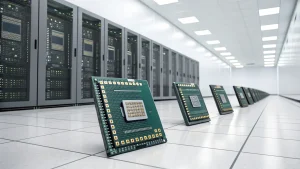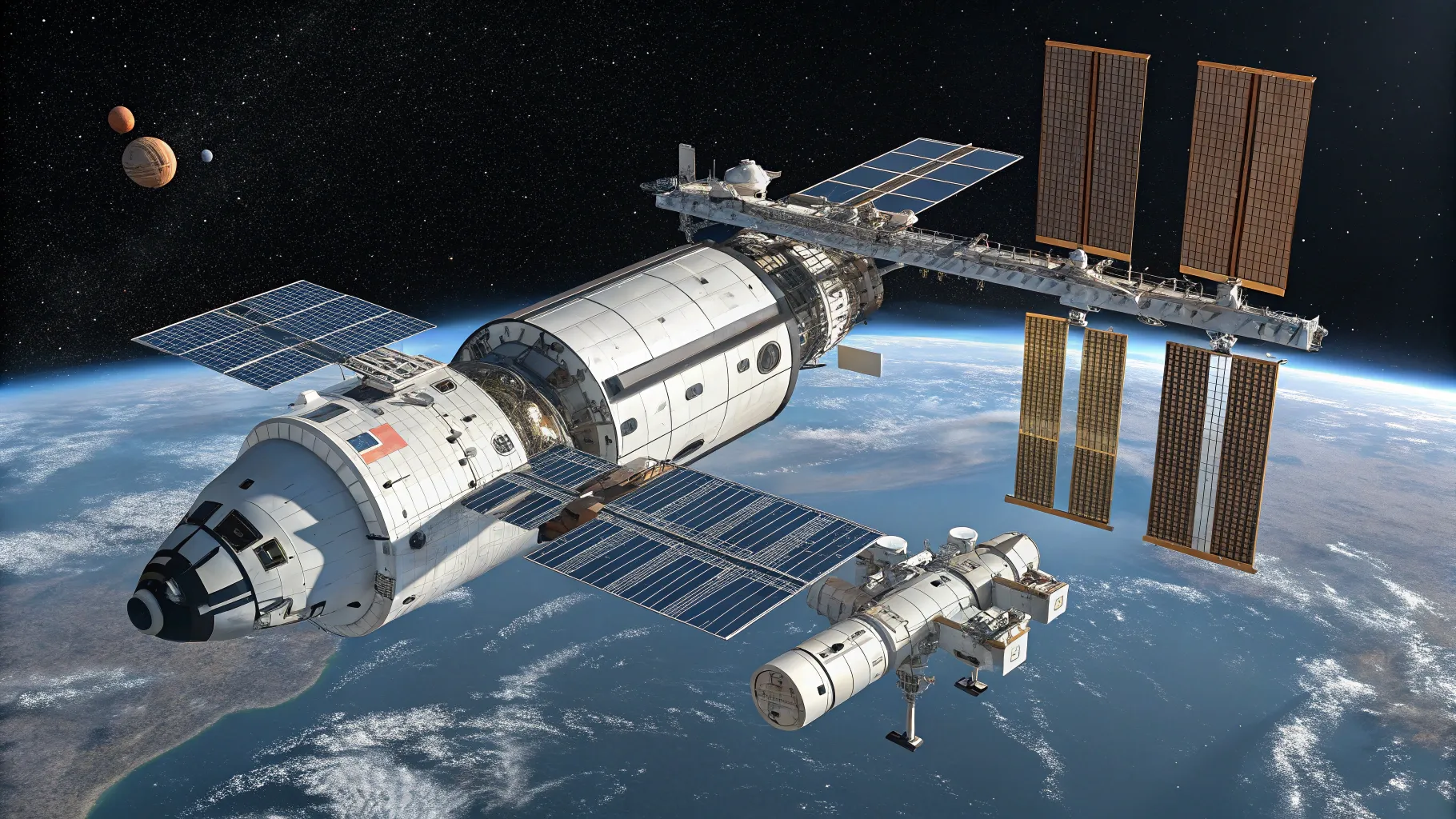
Voyager Space chief executive Dylan Taylor cast doubt on ultra-fast timelines for orbital computing, calling a two-year schedule for data centers in space “aggressive.” His caution comes as startups and established aerospace firms pitch off-planet servers as a way to cut cooling costs, expand secure processing, and serve future space missions. The comment adds a dose of realism to a field fueled by falling launch prices and surging demand for compute power.
The discussion centers on whether companies can design, launch, and operate reliable data center hardware in orbit within the next couple of years. Advocates argue that lower temperatures, solar power, and demand from satellites and space stations could justify the move. Skeptics point to radiation hardening, maintenance, latency, and uncertain economics as major barriers.
Why the Idea Is Gaining Attention
Global computing needs are rising fast, driven by artificial intelligence, streaming, and edge applications. Data centers account for a growing share of electricity use and face cooling constraints on the ground. Space seems to offer natural thermal advantages and access to abundant solar energy. Companies working on in-space manufacturing and research stations also foresee local compute needs for processing imagery and science data before downlink.
At the same time, launch costs have declined, and satellite constellations now routinely move vast amounts of data. Cloud providers have built ground stations to connect satellites to their networks, feeding speculation that compute will migrate closer to orbiting assets.
A Measured Outlook From Industry
“A two-year time frame for data centers in space would be aggressive,” said Voyager Space CEO Dylan Taylor.
Taylor’s assessment reflects the engineering and operational steps required for an orbital facility. Beyond building space-ready servers, companies would need to certify radiation-tolerant components, validate thermal systems, secure reliable power, and prove safe operations over years. Launch manifest availability and insurance further complicate project schedules.
Technical and Economic Hurdles
Operating compute hardware in orbit introduces risks not present on Earth. Memory and processors must withstand radiation that can flip bits and degrade performance. Cooling systems must function in microgravity and handle heat rejection without air. Repair and replacement are difficult, especially in higher orbits.
- Radiation hardening and error correction add cost and complexity.
- Thermal management is challenging without convection; designs depend on conduction and radiation.
- Latency to Earth-based users remains high, limiting real-time applications.
- Debris mitigation, deorbit plans, and servicing strategies are essential.
Economics may be the hardest test. Even with cheaper launches, mass-to-orbit remains expensive. Operators must show clear value over ground data centers that benefit from cheap land, skilled labor, and mature supply chains. The business case could improve for workloads that originate in space, such as on-orbit AI for Earth observation or autonomous operations for stations and satellites.
Timelines, Competitors, and Use Cases
Several space and tech firms have explored orbital or lunar data storage and processing concepts. Early deployments are likely to be small, task-specific payloads integrated into satellites or hosted platforms, not full-scale server farms. Missions could prove on-orbit inference for imaging, data compression before downlink, or secure relay services between spacecraft.
Analysts expect incremental steps: technology demonstrations, followed by limited commercial services in low Earth orbit. Larger systems, or those further from Earth, would come later, if performance and economics hold up. That cadence aligns with Taylor’s warning that compressing development, testing, and integration into a two-year window is risky.
Policy, Safety, and Environmental Questions
Any orbital computing plan must satisfy export controls, spectrum coordination, and debris regulations. Regulators are scrutinizing satellite disposal plans and responsible operations as traffic grows. Environmental concerns also enter the debate. Advocates cite reduced water use for cooling compared with many terrestrial sites. Critics point to launch emissions, hardware lifecycles, and the need to prevent debris from failed units.
What to Watch Next
Investors and customers will look for concrete milestones: successful on-orbit compute tests, credible servicing approaches, and signed contracts for space-native workloads. Demonstrations that cut downlink needs or enable faster decision-making for satellites could tip the scales. Partnerships with station operators and satellite firms will signal early market traction.
Taylor’s comment suggests a near-term reality check. Hardware may fly soon, but scaled orbital data centers will take time. The next phase will show whether early pilots can meet reliability targets and prove a clear return.
For now, the race is on to validate the technology step by step. If pilots deliver, a niche market could emerge first, serving satellites and research platforms. Broad, Earth-facing compute from orbit will demand stronger cases on cost, latency, and serviceability. The industry’s progress over the next few years will reveal whether space-based computing becomes a specialized tool—or a new tier in the global infrastructure stack.

A seasoned technology executive with a proven record of developing and executing innovative strategies to scale high-growth SaaS platforms and enterprise solutions. As a hands-on CTO and systems architect, he combines technical excellence with visionary leadership to drive organizational success.