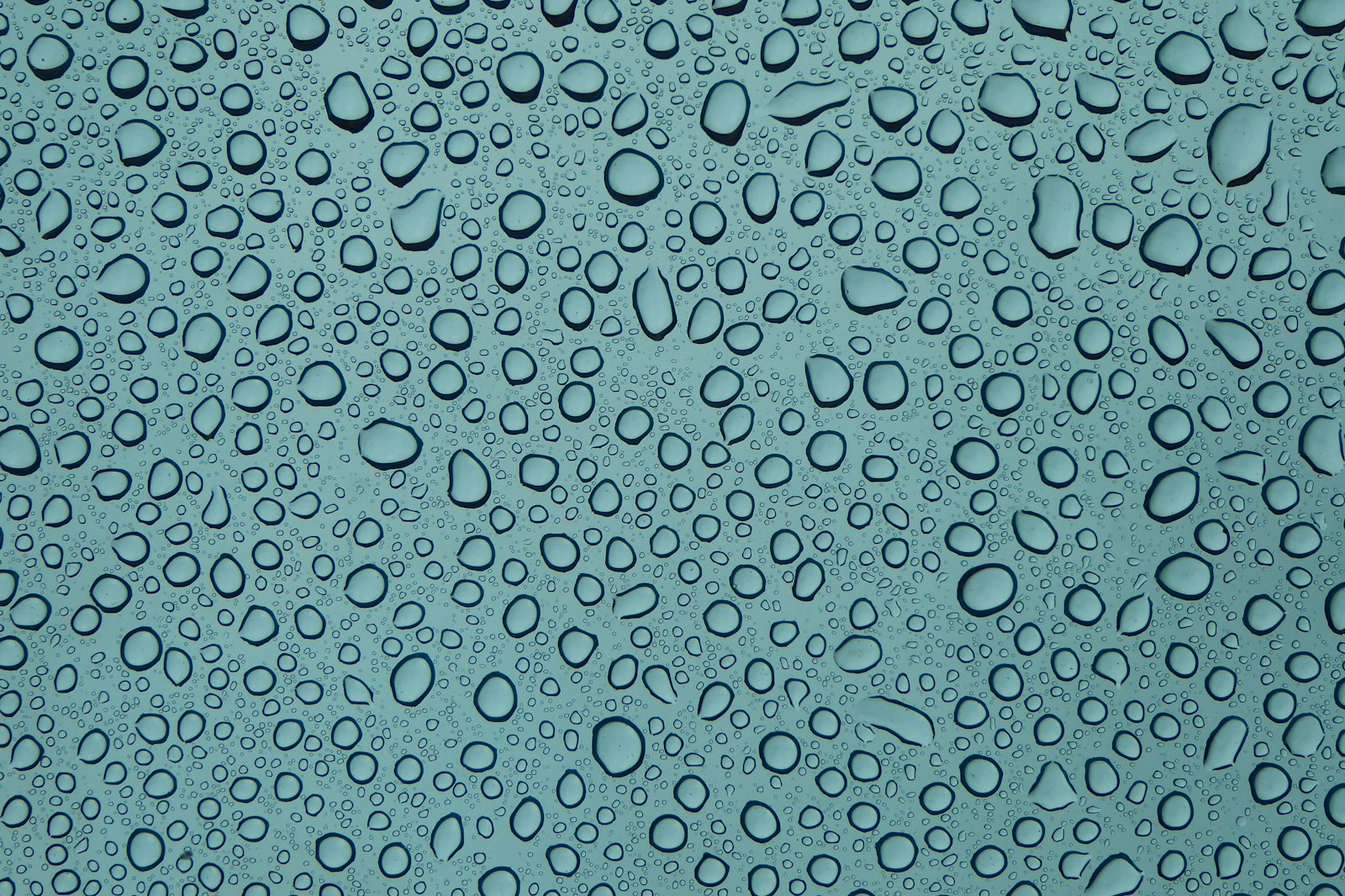
Water droplets crashing against rocks or spraying from waterfalls may have sparked the chemical reactions that led to the origin of life on Earth. A new study from Stanford University suggests that these water droplets can create “microlightning” – tiny electrical charges that can power the formation of organic molecules essential for life. The research team, led by Prof Richard Zare, found that when water droplets are divided by a spray or splash, they develop different charges.
Larger droplets often carry positive charges, while smaller ones become negative. When these oppositely charged droplets come close together, sparks jump between them in a process Zare calls “microlightning.”
Using high-speed cameras, the researchers documented these flashes of light, which are difficult to detect with the human eye. They then demonstrated the power of microlightning by spraying room-temperature water into a mixture of gases thought to be present on early Earth, including nitrogen, methane, carbon dioxide, and ammonia.
The result was the formation of organic molecules with carbon-nitrogen bonds, such as hydrogen cyanide, the amino acid glycine, and uracil, a component of RNA. These findings suggest that the tiny sparks created by crashing waves or waterfalls, rather than lightning strikes, may have jump-started life on Earth. “On early Earth, there were water sprays all over the place – into crevices or against rocks, and they can accumulate and create this chemical reaction,” Zare said.
Water droplets create organic molecules
“I think this overcomes many of the problems people have with the Miller-Urey hypothesis.”
The Miller-Urey hypothesis, proposed in the 1950s, suggests that lightning striking the ocean and interacting with early Earth’s atmosphere could create organic molecules. However, critics argue that lightning is too infrequent and the ocean too large for this to be a realistic cause.
Zare’s team continues to explore the potential power of small bits of water, including how water vapor may react under various conditions. “We usually think of water as so benign, but when it’s divided in the form of little droplets, water is highly reactive,” he said. The origins of life remain a subject of many hypotheses, with current leading contenders including hydrothermal vents and shock waves from meteorite impacts.
The idea that microlightning in water droplets could have played a role adds a new perspective to this ongoing scientific debate. Dr. Eva Stueeken from the University of St.
Andrews finds the work fascinating, saying, “It opens up an array of possibilities that we need to explore further, using different gas and fluid compositions. It will also be important to quantify how significant this mechanism would have been on a global scale for the generation of prebiotic molecules.”
Prof David Deamer from the University of California, Santa Cruz, not involved in the study, adds that microlightning “can now be added to the list of possible energy sources available to drive organic synthesis before life began.”
As scientists continue to investigate the origins of life, this new research suggests that the answer may lie in the tiny sparks created by the most abundant substance on Earth’s surface – water.
Image Credits: Photo by Nick Fewings on Unsplash

April Isaacs is a news contributor for DevX.com She is long-term, self-proclaimed nerd. She loves all things tech and computers and still has her first Dreamcast system. It is lovingly named Joni, after Joni Mitchell.