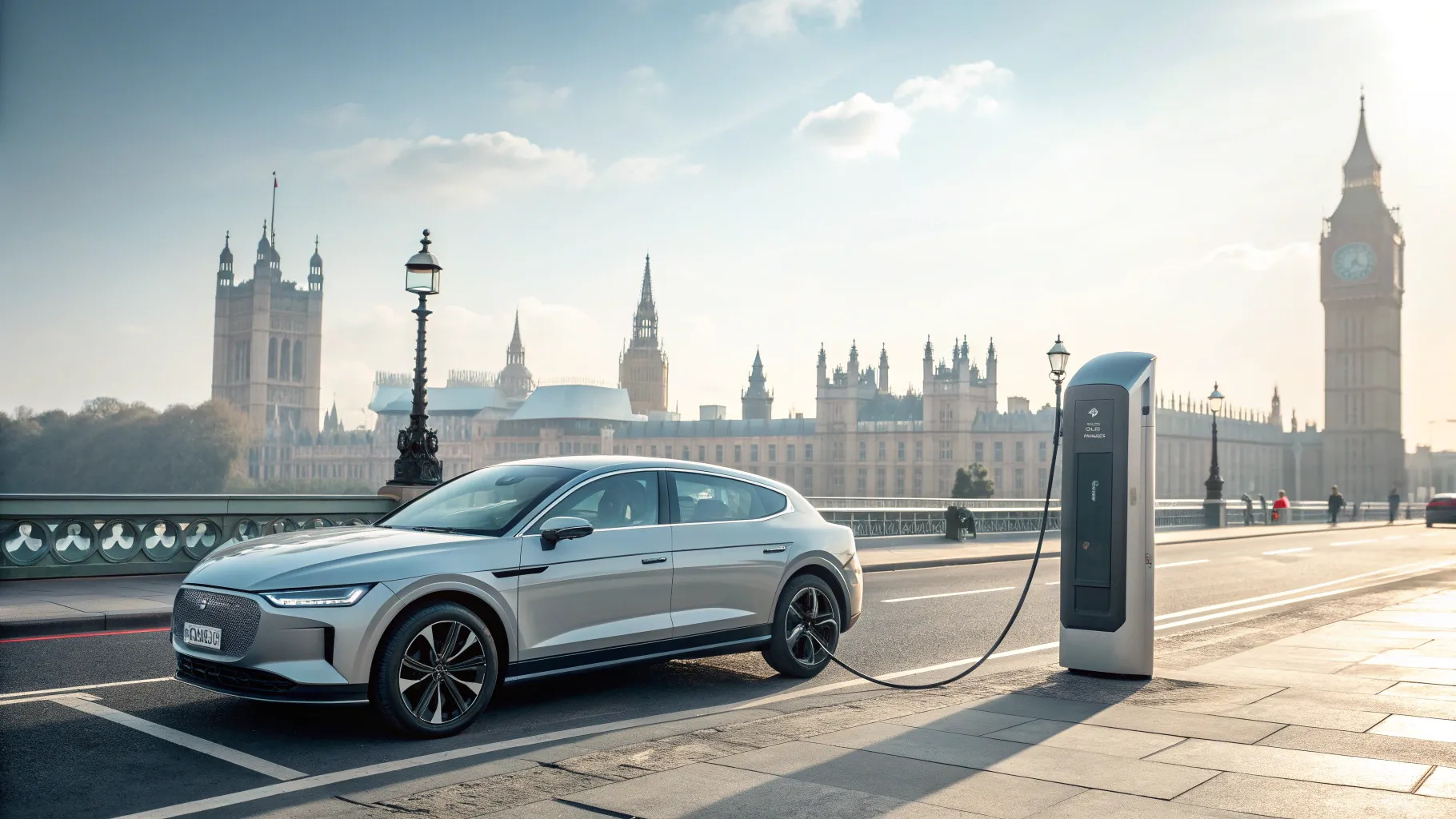
Chinese premium electric brand Zeekr plans to enter key European markets in 2026 and may add extended-range plug-in hybrids to its lineup for the region, a company executive said Friday. The expansion will target France, the United Kingdom, Italy, and Spain as the company seeks growth outside China amid rising competition and shifting policies.
The move signals a fresh wave of Chinese auto ambitions in Europe even as trade tensions and tariffs complicate pricing. Zeekr, backed by China’s Geely, is positioning its cars at the higher end of the market, where buyers often expect longer range, strong design, and advanced software.
What Zeekr Plans Next
“Premium Chinese electric vehicle maker Zeekr will expand into more European markets in 2026, including France, the United Kingdom, Italy and Spain and is considering launching extended-range plug-in hybrids in the region,” an executive said.
The planned introduction of extended-range plug-in hybrids (often gasoline-assisted EVs with larger batteries) suggests Zeekr is adapting to charging gaps and varying consumer habits across Europe. Offering both full battery models and plug-in hybrids could help address range anxiety and limited infrastructure outside major cities.
Why Europe Matters
Europe remains one of the world’s most competitive arenas for low-emission cars. Buyers benefit from incentives in some countries, though many subsidies have been reduced. Charging access is improving, but progress is uneven between nations and even within cities.
Chinese brands have grown their share of Europe’s EV market in recent years by offering strong value and fast model cycles. Zeekr aims to stand out in design and features while keeping prices lower than many German luxury rivals.
Trade Headwinds and Policy Shifts
The plans arrive during a tense period for cross-border car trade. The European Commission imposed provisional duties on Chinese-made electric cars in 2024, citing state support that could distort prices. Geely-branded vehicles face extra import costs under these measures.
For the United Kingdom, separate trade rules apply after Brexit. A late-2023 EU–UK agreement delayed new “rules of origin” tariffs on electric cars until the end of 2026, easing pressure in the near term. Still, long-term policy remains in flux, which could affect Zeekr’s pricing and local sourcing choices.
What Extended-Range Hybrids Could Solve
Extended-range plug-in hybrids use a smaller combustion engine as a generator to support the battery on longer trips. This can reduce range anxiety and charge-time concerns while keeping most daily driving electric.
- They can ease adoption in regions with fewer fast chargers.
- They allow longer road trips without frequent charging stops.
- They may qualify for some tax benefits, depending on country rules.
However, emissions rules are tightening. Some European cities plan stricter limits on combustion engines over the next decade. That could push buyers toward full battery vehicles as infrastructure improves.
Competition and Consumer Trends
Zeekr faces strong rivals from both Europe and China. German and Swedish brands have deep dealer networks and loyal customers. Meanwhile, Chinese peers are scaling up aggressive pricing and frequent updates.
Consumer demand is shifting. Growth in pure EV sales has slowed in some countries after subsidy cuts, but interest in lower running costs remains high. Buyers also compare software features, charging speed, and in-car tech. Zeekr must meet these expectations while navigating tariffs and currency swings.
What to Watch
Key questions will shape Zeekr’s rollout. Pricing will be central, as any added duties can narrow the gap with European competitors. The company may look at local assembly or partnerships to manage costs and meet future rules of origin.
Charging access will also matter. Faster charger build-out in France, Italy, Spain, and the UK could tilt buyers toward full battery options. If infrastructure lags, extended-range plug-in hybrids may serve as a bridge for customers shifting from gasoline.
Dealer strategy is another factor. Direct-to-consumer sales, service coverage, and test-drive access can make or break a new entrant. After-sales support and warranty terms will be carefully watched by early buyers.
Zeekr’s plan to reach Europe’s largest car markets in 2026 shows confidence in demand for premium low-emission cars, even under policy pressure. The possible addition of extended-range plug-in hybrids suggests a flexible approach tailored to local conditions. Over the next two years, watch for pricing announcements, distribution deals, and charging partnerships that will signal how Zeekr intends to compete—and how quickly European drivers will respond.

A seasoned technology executive with a proven record of developing and executing innovative strategies to scale high-growth SaaS platforms and enterprise solutions. As a hands-on CTO and systems architect, he combines technical excellence with visionary leadership to drive organizational success.