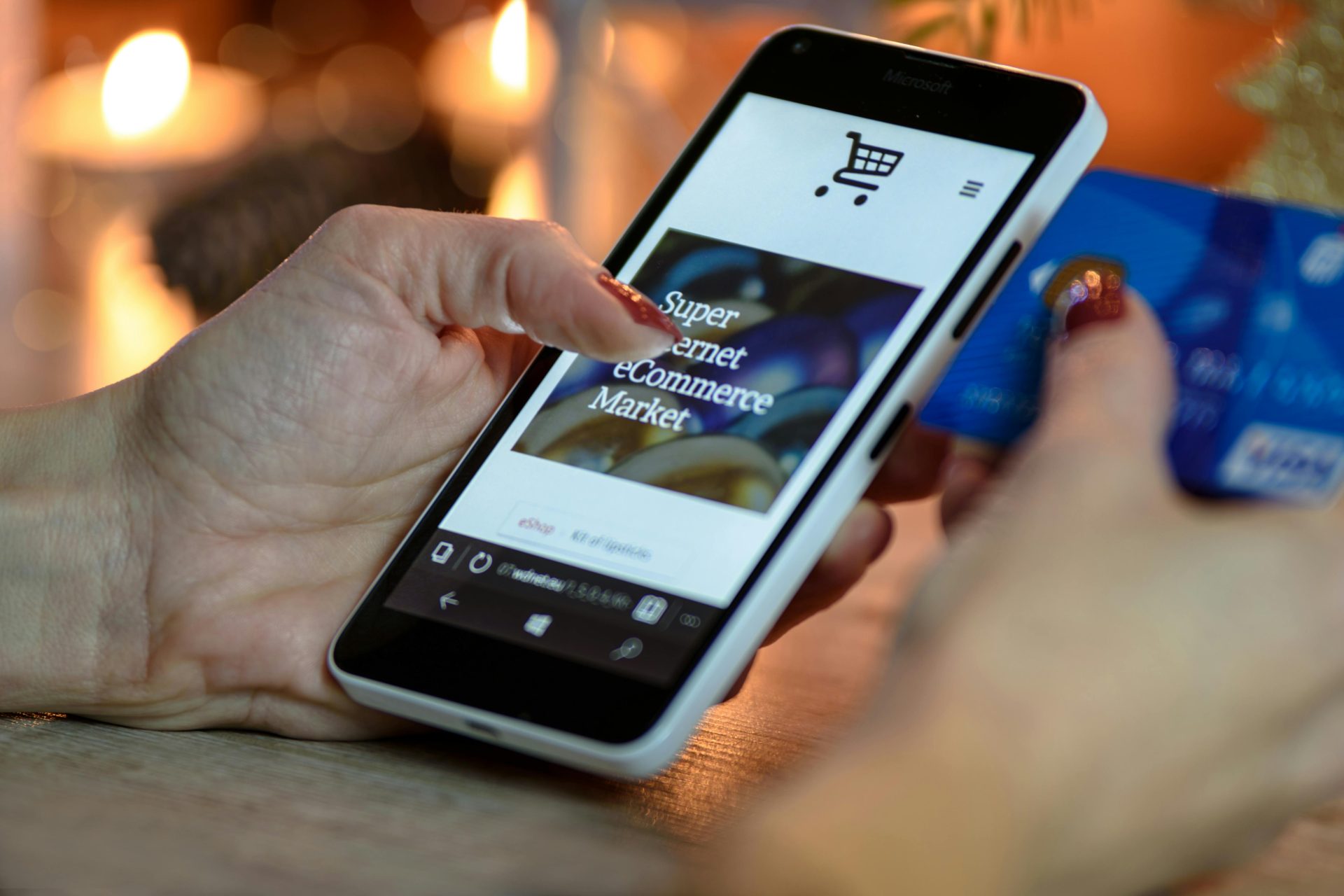
When it comes to the world of retail, it is e-commerce vs. commerce, even though they are often used interchangeably. But are they really the same? With the rise of online shopping, it’s important to understand the distinctions between traditional commerce and e-commerce. Both concepts have their unique characteristics, and businesses today need to adapt to changing trends, including content customization, to meet the evolving demands of their customers.
What Is Commerce?
Commerce is the age-old practice of buying and selling goods and services, forming the backbone of economies worldwide. It encompasses every transaction made between businesses and consumers, whether in bustling markets, small local stores, or large retail chains. Historically, commerce began with bartering systems, where people exchanged goods and services directly. Over time, this evolved into more structured forms of trade, including the use of currency, leading to the development of sophisticated marketplaces and economies.
One of the defining characteristics of traditional commerce is the physical interaction between buyers and sellers. For instance, when you visit a grocery store, you can touch and examine the products before making a purchase. You might even engage in a conversation with the shopkeeper or sales assistant, asking questions about the product’s quality or price. This face-to-face interaction helps build trust between the customer and the business, often influencing decision-making.
Traditional commerce also relies heavily on physical infrastructure. Businesses need a storefront or market presence, which involves rent, utilities, and staffing costs. Because of this, operating a successful traditional commerce business often requires a considerable initial investment, and scaling up means opening more physical locations.
However, despite the rise of digital shopping, traditional commerce still holds a unique place in the market. Certain products, especially those that people prefer to see or feel before buying, are often better suited to physical retail. For example, clothing stores where customers can try on outfits or furniture showrooms where they can sit on couches continue to thrive, even in a world dominated by e-commerce.
What Is E-commerce?
E-commerce, short for electronic commerce, refers to the buying and selling of goods and services over the Internet. Unlike traditional commerce, e-commerce transactions take place entirely online, eliminating the need for a physical storefront. This digital method of trade has revolutionized the retail industry, allowing businesses to reach customers globally and providing consumers with the convenience of shopping from anywhere at any time.
The defining feature of e-commerce is its digital nature. Businesses set up virtual stores or e-commerce websites to display their products, offer descriptions, pricing, and sometimes customer reviews to help guide purchase decisions. Payment for these goods and services is also made electronically, using credit cards, digital wallets, or other forms of online payment, often supported by secure payment gateways.
One of the most significant advantages of e-commerce is its accessibility. A customer in New York can purchase an item from a seller in Tokyo with just a few clicks. This global reach gives businesses, especially small and medium-sized enterprises, an unprecedented opportunity to expand beyond local markets without the need for additional physical infrastructure. For example, businesses looking to enter the grocery sector can leverage online grocery store software to streamline operations and reach digital customers efficiently. Additionally, e-commerce platforms can run 24/7, offering consumers flexibility that brick-and-mortar stores cannot match.
Another critical aspect of e-commerce is the ability to gather data on customer behaviors and preferences. Businesses can track users’ shopping habits, analyze their browsing patterns, and personalize the shopping experience through content customization. For example, an online bookstore might recommend books based on a customer’s previous purchases, providing a more tailored and engaging shopping experience. This use of data gives e-commerce a competitive edge over traditional retail.
E-commerce also allows for a wide range of business models, from direct-to-consumer (DTC) sales, where brands sell directly to customers through their own websites, to third-party platforms like Amazon or eBay, which act as intermediaries. Moreover, drop shipping has become popular, where sellers don’t need to maintain inventory but instead rely on manufacturers or suppliers to fulfill orders directly to the customer.
E-commerce vs. Commerce Key Differences
While both commerce and e-commerce share the fundamental purpose of buying and selling, they differ in how transactions are conducted. Traditional commerce often requires a physical presence, meaning customers must visit a store to interact with products and make purchases. In contrast, e-commerce allows purchases to happen entirely online without the need for a brick-and-mortar location.
Moreover, e-commerce has brought significant advancements, such as the ability to track customer preferences and behaviors, enabling businesses to implement content customization. For example, online stores can offer personalized recommendations based on past purchases or browsing habits, something that would be much harder to achieve in a traditional store environment.
Challenges of E-commerce
While e-commerce has many advantages, it also comes with its own set of challenges. One of the biggest hurdles is the reliance on technology. If a website crashes or experiences technical issues, it can result in a loss of sales and frustrate customers. Additionally, online security is a significant concern. Businesses must secure their websites to protect customer information and prevent data breaches.
Another challenge is the intense competition in the e-commerce vs. commerce space. Since barriers to entry are relatively low, many businesses are competing for the same customers. Standing out in a crowded marketplace can be difficult, especially for smaller companies without large marketing budgets.
However, digital platforms continue to evolve, and businesses now focus on merging digital commerce and ecommerce strategies. This blended approach allows them to capture customers through multiple channels—both online and offline—further blurring the lines between traditional commerce and e-commerce.
The Future of Commerce and E-commerce vs. Commerce
As technology advances, the line between traditional commerce and e-commerce will likely continue to blur. Many businesses are adopting hybrid models that combine both online and offline elements, providing customers with more flexibility in how they shop. For example, some retailers allow customers to order online and pick up their purchases in-store, offering the convenience of e-commerce with the immediacy of traditional shopping.
Innovations such as augmented reality (AR) and virtual reality (VR) could further transform the shopping experience. Customers may be able to “try on” clothes virtually or visualize how furniture would look in their homes before making a purchase. Forward-thinking companies are already testing these technologies, and they could become mainstream in the coming years.

Kyle Lewis is a seasoned technology journalist with over a decade of experience covering the latest innovations and trends in the tech industry. With a deep passion for all things digital, he has built a reputation for delivering insightful analysis and thought-provoking commentary on everything from cutting-edge consumer electronics to groundbreaking enterprise solutions.