The world of culinary arts is now visually driven, so the angle chosen for food photography can transform it into a visual feast. Conveying the food’s taste and texture to the audience is complicated yet exciting.
This art form relies heavily on choosing the right angle to tell a story about the food. Whether it is a top-down shot that displays the perfect symmetry of a pizza or a flat-angle shot capturing the glossy sheen on a bowl of ramen, each perspective offers a unique way to engage and allure potential diners.
This article explores various impactful photography angles to make your culinary delights look appetizing and reachable.
The Top-Down Perspective
Top-down food photography allows photographers to present all components of a dish or a full table spread in one cohesive frame. This angle works for recipe and banquette photos, highlighting the variety of shapes and colors without unnecessary cluttering.
Natural light works best to avoid shadows that can obscure parts of the dish. Embrace the power of uniformed light sources to underline the texture and transmit the natural color vibrancy. Prioritize simple, well-balanced composition; avoid overloading your image. Use props like cutlery and napkins to add context, but note that they should not be overly decorative.
The Flat Angle Shot
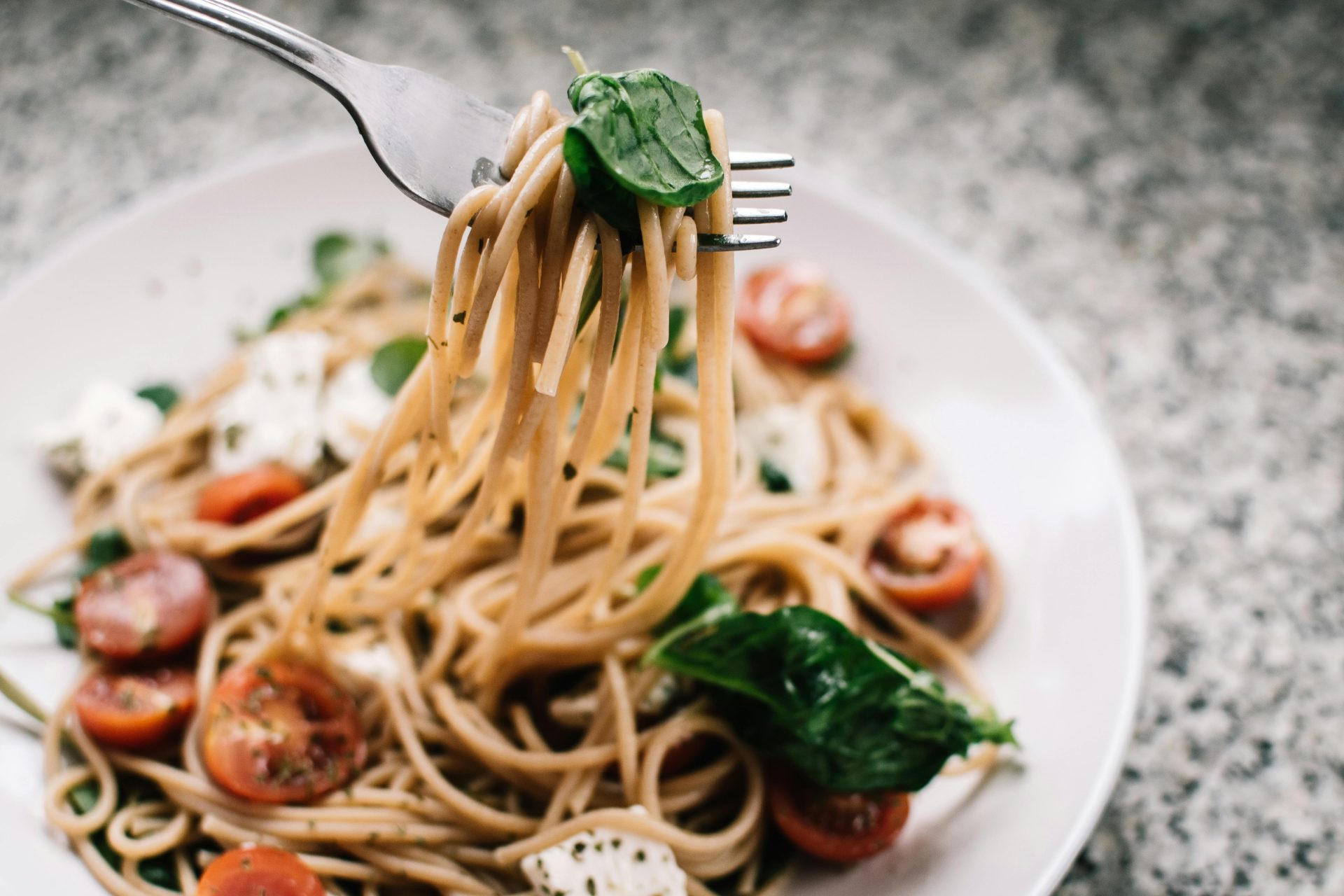
Aligning the camera lens parallel to the dish helps showcase intricate details and unusual textures that could be lost otherwise. Show the crust on a slice of bread or the sizzle on a steak, and make your viewers feel like they are sitting at the same table, ready to enjoy the meal.
For dishes with height, like burgers or stacked desserts, the flat angle shot helps to convey the layers and textures, evoking a sense of craving and desire. This angle makes your audience feel like the delicious snack or dessert is within reach.
Rearrange the elements within the frame to guide the viewer’s eye. Ensure the food is well-lit, preferably with soft, diffused lighting. Highlight textures and ingredients. Use sharpening and focus stacking tools during food photo editing.
45-Degree Magic
The 45-degree angle shot provides a partial view of the top while also revealing the sides of the dish. It helps create a three-dimensional feel, especially appealing for multilayered cakes or sandwiches. Use this angle to highlight the food’s textures and colors while incorporating elements of the setting, such as tableware and decorations.
Background and surface details are crucial here. Ensure that the background is simple and plain. Avoid cluttered distractions. Pay attention to the depth of field. This angle works well with a mix of focus—sharp where it counts but softly blurring out towards the edges or the background to make the main subject pop out. Additionally, experimenting with different lighting setups can help accentuate the subject’s best features to make your meal look appetizing.
Overhead Food Photography
The bird’s eye view works best for capturing large, complex, and multicomponent meals. This angle is perfect for showcasing the symmetry and geometry of food, creating visually striking combinations of culinary and photography arts. This viewpoint is particularly appealing to food blogs.
Using a tripod is pivotal. This precision prevents any distortion that might occur if the camera is tilted. This angle leaves much room for creative experiments with composition, so use this opportunity. Try arranging the elements on a table or a plate to form patterns or a pleasing visual flow. Add a storytelling element by including various parts of the dining experience, such as cutlery, drinks, and even diners’ hands. Use colorful dishes or contrasting tableware. It will make your pictures personalized and emotionally awakened. Consider the space around your dishes. Sometimes, leaving some negative space can make the layout look more appealing.
Low Angle Dynamics
Positioning the camera at or below the level of the plate can add some drama and dynamics to your shots, making your dishes appear grand and monumental. Highlight the stature and architecture of your creations. Looking up to something means awning and admiring it. So, if it is an effect you want to achieve, make your audience look up, literally. Even the simplest dinner can be showcased with majesty.
Choosing a clean, non-distracting backdrop or using a shallow depth of field can help keep the focus on the food. Additionally, this angle often benefits from strong, directional lighting to cast shadows and highlight the contours of the food. Raise the plate or use a lower shooting angle to give your dish prominence and stature in the frame. Backlight can create a beautiful rim-light effect on your food, highlighting its edges and giving it a fresh, appetizing look.
Conclusion
Mastering various angles for food photography significantly enhances your culinary delights’ visual appeal. Angles play a pivotal role in the potential diners’ perception of the food. Experimenting with how people see the dishes can alter their feelings, conveying the deepest emotions. By experimenting with these different perspectives, food photographers can discover the most flattering angles for each dish to tantalize the viewers’ appetite.
Photo by Lisa Fotios: Pexels

Rashan is a seasoned technology journalist and visionary leader serving as the Editor-in-Chief of DevX.com, a leading online publication focused on software development, programming languages, and emerging technologies. With his deep expertise in the tech industry and her passion for empowering developers, Rashan has transformed DevX.com into a vibrant hub of knowledge and innovation. Reach out to Rashan at [email protected]