Construction has always involved a certain degree of risk. Whether it’s structural failure, environmental hazards, or accidents on-site, the challenges have remained consistent for decades. However, how those risks are managed has changed, and software is increasingly playing a central role in that shift. From the early planning phase to the final build, digital tools are helping companies design smarter, reduce human error, and create safer environments for workers and residents alike. As projects become more complex, the demand for software-based safety compliance solutions is only expected to grow.
Smarter Planning Through Simulation
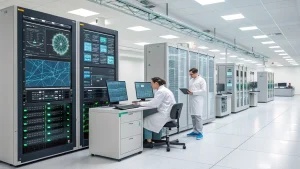
Designing a safe structure begins long before a foundation is poured. Architects and engineers are now using simulation tools to assess structural integrity under various conditions. These platforms can run tests on how buildings might respond to stress, wind, or seismic activity—all in a digital environment.
This is particularly relevant for developers working in high-risk areas. For example, modern design software is being used in the development of earthquake proof houses, where structures are digitally stress-tested before construction begins. These simulations help ensure buildings meet strict safety compliance standards while still allowing for cost efficiency—an important factor when scaling projects for broader populations.
By identifying weak points and potential hazards in advance, these tools give teams a clearer picture of what to expect—and how to avoid problems before they occur.
On-Site Safety Gets a Digital Upgrade
While safety at the design level is critical, much of the risk in construction emerges during the build itself. For that reason, companies have started to rely on real-time monitoring tools powered by software and connected devices.
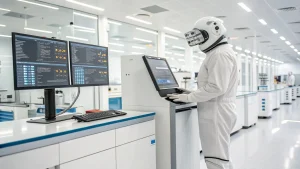
Wearables, sensors, and mobile apps now allow site managers to track safety compliance and worker conditions. Alerts can be issued immediately when thresholds are crossed—such as unsafe temperatures, excessive vibration, or poor air quality—giving teams a chance to respond before small issues escalate into serious incidents.
In some cases, data from past projects is being used to predict future risks. Software platforms can analyze patterns and suggest operational changes, whether that’s adjusting work schedules or flagging areas where additional safety compliance checks are needed.
Automation and Additive Manufacturing
The use of robotics and automated systems has also improved safety compliance by reducing the need for manual labor in high-risk areas. A growing number of companies are turning to 3D printing technologies, where entire structural elements are created through guided automation.
One notable example is CyBe Construction, which develops 3D concrete printing solutions that can be used on-site. These systems are capable of executing complex designs with high precision, reducing the need for human workers in the most hazardous phases of construction.
By transferring risk away from people and into controlled digital systems, these technologies help reduce accidents while also improving build consistency and speed.
A Shift in Safety Culture
The industry also has a growing awareness that safety compliance isn’t just about regulations—it’s about design thinking. Teams are now approaching safety not as a last-minute checklist but as a key part of planning and execution. And as software becomes more embedded in the process, that shift is becoming more permanent.
Digital tools are helping to make documentation easier, inspections more accurate, and communication more immediate. For workers, this can mean fewer delays and a greater understanding of what’s happening around them. For supervisors, it provides more oversight without having to physically be in multiple places at once.
Conclusion
Construction may never be risk-free, but it’s becoming much more manageable thanks to technology. Software is enabling smarter design, safer builds, and more informed decision-making across the board.
As more companies adopt these tools, and as solutions like 3D printing become more mainstream, the idea of building safely from the ground up is no longer a goal—it’s quickly becoming the standard.
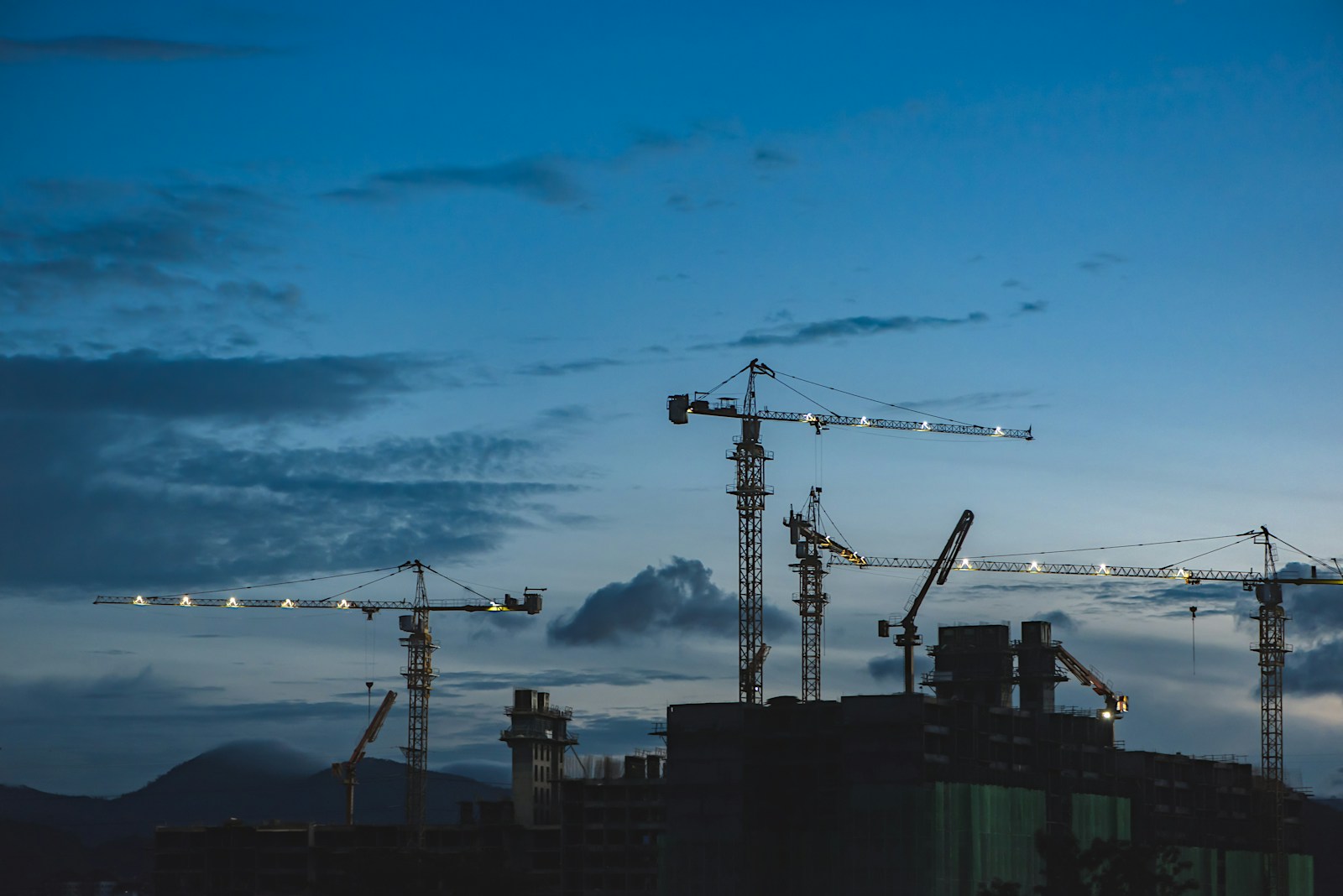
Photo by EJ Yao; Unsplash

Kyle Lewis is a seasoned technology journalist with over a decade of experience covering the latest innovations and trends in the tech industry. With a deep passion for all things digital, he has built a reputation for delivering insightful analysis and thought-provoking commentary on everything from cutting-edge consumer electronics to groundbreaking enterprise solutions.