In a world where artificial intelligence already pushes the boundaries of what seems possible, April Fools’ Day created a perfect storm of confusion. As I scrolled through my feeds last week, I constantly questioned: “Is this real or just another prank?”
ElevenLabs launched “Text to Bark,” LTX Studio claimed they acquired OpenAI’s Sora (planning to open-source it), and OpenAI released a ChatGPT voice that seemed annoyed by user interactions. These were just a few jokes that flooded the tech space on April 1st.
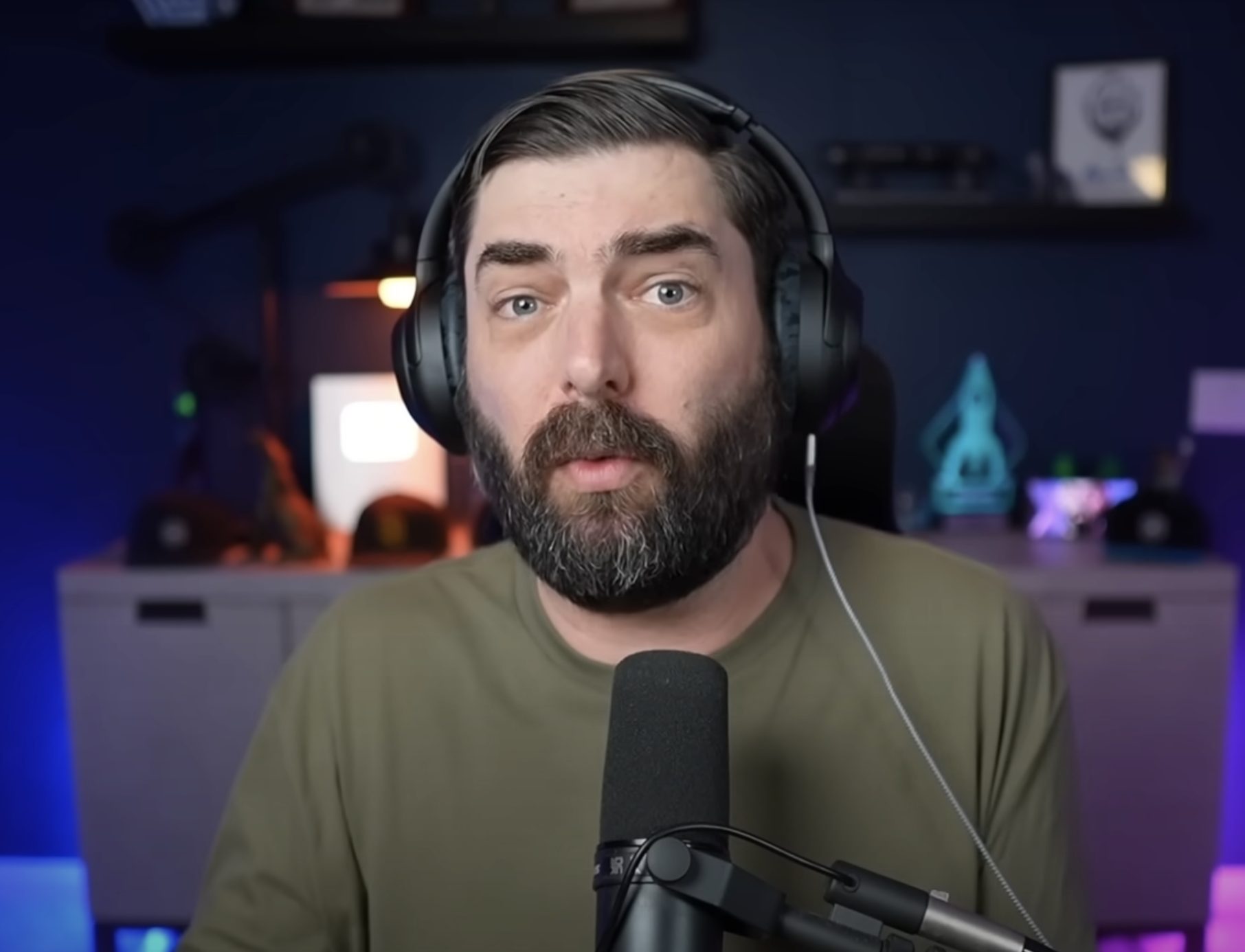
My solution? I simply tuned out everything on April Fools’ Day and double-checked what was legitimate the following day. I also took some time to watch Matt Wolfe’s recent video to get the weekly breakdown of AI news. This approach saved me from the whiplash of excitement followed by disappointment that many experienced.
The Real News
While pranks dominated April 1st, the week’s rest brought significant developments. ChatGPT rolled out its image generation model to free users (limited to three images per day), causing unprecedented growth. Sam Altman revealed that ChatGPT added one million users in a single hour—compared to the five days it took to reach that milestone when it first launched 26 months ago.
This massive influx is straining OpenAI’s infrastructure. Altman warned users to expect delayed releases, occasional breakdowns, and slower service as they tackle capacity challenges. To address these issues, OpenAI raised an additional $40 billion led by SoftBank at a $300 billion valuation – funds that will hopefully go toward expanding their GPU and data center capabilities.
In other OpenAI developments, ChatGPT Plus is now free for college students in the US and Canada through May, and the company plans to release its first open language model since GPT-2 in the coming months—a significant shift after Sam Altman’s recent comments about potentially taking the wrong approach by not releasing open-source models.
The AI Arms Race Intensifies
Google released Gemini 2.5 for all users this week, making their best model free. This powerful model excels at code and features a massive million-token context window, allowing users to input and output approximately 750,000 words—perfect for understanding entire code bases.
Not to be outdone, Amazon entered the AI agent game with Nova Act, their attempt to compete with OpenAI’s Operator and Anthropic’s Claude. This tool allows AI to autonomously navigate web browsers, clicking and typing to complete tasks while showing its thinking process.
Meanwhile, Rabbit introduced “Rabbit OS Intern,” an AI agent that can use your computer without requiring their Rabbit R1 device. Similar to other AI agents, it can perform tasks like creating web applications by breaking them down into steps and executing them.
The Video Generation Revolution
This week saw remarkable advances in AI video generation:
- Runway released Gen 4, a model producing video quality comparable to or better than competitors
- Higgs Field AI emerged with capabilities for cinematic shots, including bullet time, super dollies, and robotic arm movements from a single image.
- Luma AI added a similar cinematic movement feature.s
- Meta showcased “Mocha” research for movie-grade talking character synthesis.
Adobe joined the race by introducing Generate Video, which the new Firefly video model powers. What sets Adobe’s offering apart is its focus on commercially safe content – trained exclusively on licensed content like Adobe Stock images and public domain resources, ensuring everything created is safe for commercial, professional, or educational use.
Adobe also rolled out an impressive feature in Premiere Pro that uses AI to extend videos – perfect for when your B-roll is just a second too short or when sound effects need to be lengthened.
The Future of AI Tools
The pace of innovation shows no signs of slowing. Midjourney version 7 appears imminent. ElevenLabs introduced “Actor Mode,” allowing users to guide script delivery with their own voice, and Windsurf added features for deploying apps directly from their platform.
Perhaps most intriguing is Claude’s new approach to education – rather than simply providing answers, their “Learning Mode” guides students through reasoning processes to develop critical thinking skills.
As these tools evolve, the line between what’s real and what seems like science fiction grows increasingly blurred. The challenge for all of us will be learning to navigate this new landscape where the unbelievable becomes an everyday reality.
Frequently Asked Questions
Q: What limitations do free ChatGPT users have with the new image generation feature?
According to Sam Altman, free users are limited to three images per day, while paid ChatGPT Plus subscribers have more generous limits. This restriction helps OpenAI manage the enormous demand that caused them to add one million users in one hour after the feature’s release.
Q: How is Adobe’s Firefly video generation different from other AI video tools?
Adobe Firefly stands out because it’s trained exclusively on licensed content and public domain resources, making all generated content commercially safe for professional use. This addresses a major concern for creators who must ensure their work is responsibly sourced and copyright-free.
Q: What is an AI agent, and how do tools like Amazon’s Nova Act work?
AI agents can autonomously interact with computer interfaces to complete tasks. Tools like Amazon’s Nova Act can help users navigate web browsers, click buttons, and type text based on user instructions. They display their “thinking process” as they work, showing how they analyze each step before taking action.
Q: What new approach is Claude taking with AI in education?
Claude for Education introduces a “Learning Mode” that guides students through problem-solving rather than simply providing answers. This approach aims to develop critical thinking skills by helping students work through the reasoning process, positioning AI as an assistive learning tool rather than just an answer generator.
Q: How significant is OpenAI’s plan to release an open language model?
This represents a strategic shift for OpenAI, which has recently faced increasing competition from open-source models. Sam Altman previously suggested they may have taken the wrong approach by not releasing more open-source models. This upcoming release could help OpenAI regain some influence in the open-source AI community while still maintaining its lead with proprietary models like GPT-4.