The future of home cleaning has arrived, and it’s more sophisticated than we could have imagined. After years of watching robot vacuums struggle with simple obstacles like socks and toys, we’re finally seeing a breakthrough that could change how we think about automated home maintenance.
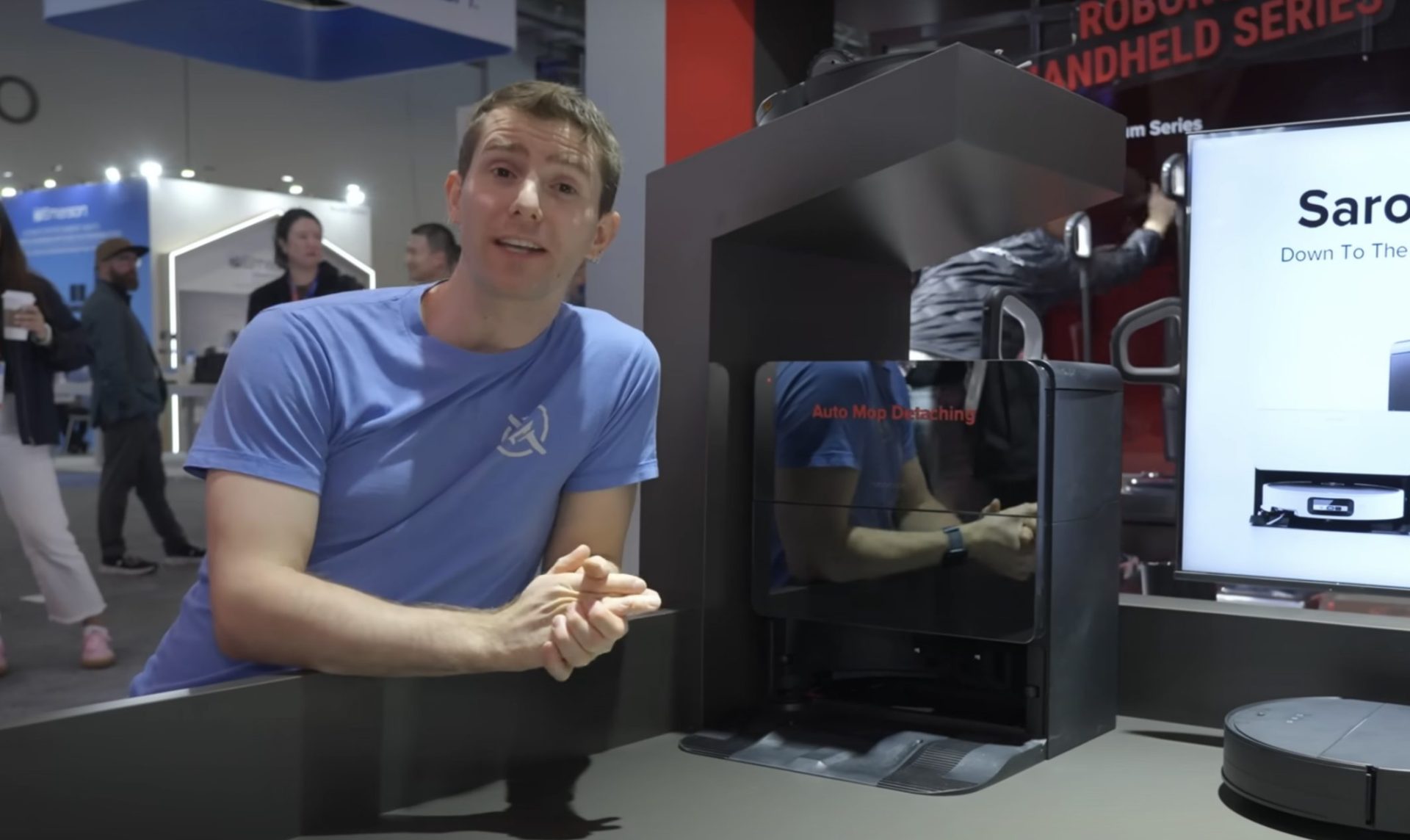
The introduction of Roborock’s Z70 represents a significant shift in robotic cleaning technology. What makes this vacuum truly stand out is its 5-axis robotic arm – a feature that sounds like science fiction but is very much real. This isn’t just another incremental improvement; it’s a complete reimagining of what robot vacuums can do. Linus Tech Tips broke down this topic even more in his recent youtube video on robot vacuums with arms. Here’s what I learned.
Why Traditional Robot Vacuums Fall Short
Traditional robot vacuums have always had a fundamental flaw: they can’t interact with their environment. They bump into objects, navigate around them, or worse – get stuck. This limitation means many areas remain uncleaned, requiring human intervention. The cleaning process is incomplete, inefficient, and often frustrating.
The current problems with standard robot vacuums include:
- Inability to move obstacles in their path
- Frequent stuck situations requiring human rescue
- Incomplete cleaning coverage due to unmovable objects
- Limited adaptation to changing environments
The Game-Changing Innovation
The Z70’s robotic arm can lift objects weighing up to 300 grams, effectively dealing with common obstacles like socks, small toys, and other lightweight items. This capability transforms the vacuum from a passive cleaning device into an active participant in home maintenance.
What’s particularly impressive is how Roborock achieved this without compromising on other features. Despite its advanced capabilities, the Z70 maintains an ultra-thin profile of less than 8 centimeters. It still delivers powerful suction at 22,000 pascals and includes advanced mopping capabilities.
The ability to pick up and move objects while cleaning underneath them isn’t just convenient – it’s a fundamental shift in how automated cleaning systems interact with our homes.
Advanced Intelligence and Adaptation
The STARSIGHT autonomous system 2.0 represents another leap forward. Using 3D time-of-flight sensors and cameras, these vacuums can:
- Identify and categorize small objects
- Navigate complex home layouts
- Adjust to furniture changes automatically
- Optimize cleaning patterns based on usage patterns
- Prioritize high-traffic areas while reducing attention to less-used spaces
The Evolution of Cleaning Station Technology
The docking station technology has evolved significantly. Modern stations can:
- Drain and refill wet and dry tanks automatically
- Clean mops at temperatures up to 90 degrees Celsius
- Remove mops when not needed
- Maintain the vacuum with minimal human intervention
Looking to the Future
While these advancements are impressive, they’re just the beginning. The next frontier appears to be stair climbing – a capability that would truly make robot vacuums complete home cleaning solutions. When we consider how far the technology has come, from simple automated sweeping to intelligent object manipulation, it’s clear that we’re witnessing a revolution in home automation.
The integration of robotic arms into cleaning devices opens up new possibilities beyond just vacuuming. We might soon see robots capable of basic household organization, preparation of cleaning areas, and even more complex tasks that require object manipulation.
Frequently Asked Questions
Q: How does the robotic arm know which objects to pick up?
The vacuum uses advanced 3D sensors and cameras to identify objects in its path. It can determine which items are safe to lift based on size and weight limitations of up to 300 grams.
Q: Will the robot vacuum damage my belongings when picking them up?
The 5-axis robotic arm is designed with precise control mechanisms to handle objects carefully. It can detect the appropriate amount of force needed for different items.
Q: How does the vacuum handle different floor types?
The vacuum features adjustable front wheels and mops that can adapt to different surface heights, making it effective on various floor types and transitions between them.
Q: What happens if the robot encounters an object too heavy to lift?
If an object exceeds the 300-gram weight limit, the vacuum will navigate around it using its STARSIGHT autonomous system, similar to traditional robot vacuums.
Q: How often does the docking station need maintenance?
The docking station is designed for minimal maintenance, with automatic cleaning and drying cycles. However, periodic emptying of the dirty water tank and refilling of clean water is required, typically every few weeks depending on usage.

Finn is an expert news reporter at DevX. He writes on what top experts are saying.