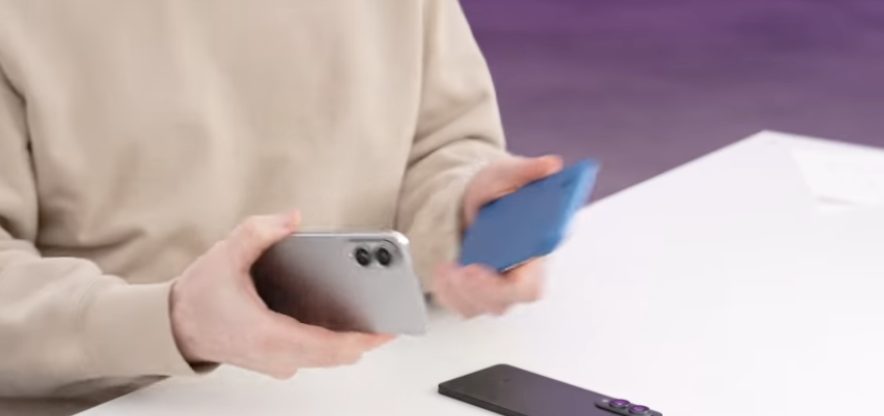
The smartphone market has grown stagnant. Manufacturers like Samsung and Apple are desperately searching for ways to reignite consumer interest, and their latest strategy is clear: make phones impossibly thin.
I recently got my hands on Samsung’s new S25 Edge, and the thinness is genuinely shocking. At just 5.8mm thick, it feels almost nonexistent in your pocket. This marks a significant shift in smartphone design philosophy, reminiscent of the early mobile phone era when smaller meant more prestigious.
Remember when executives proudly displayed their tiny Motorola StarTac phones? We’ve come full circle, except now manufacturers are maintaining large screens while dramatically reducing thickness.
The Thin Phone Experience
Holding the S25 Edge is a revelation. The titanium construction gives it surprising rigidity despite its slender profile. Typing feels remarkably satisfying with virtually no hand fatigue due to its lightweight design.
Comparing it to the current Ultra model is almost comical – the Ultra feels like a brick in comparison. Even next to the standard S25, the Edge’s thinness is immediately apparent.
The pocket test is where this phone truly shines. It disappears into your pocket, though I worry it might slide out unnoticed due to its minimal weight and slim profile.
The Inevitable Compromises
Of course, physics demands trade-offs. The S25 Edge packs a 3900mAh battery – noticeably smaller than its thicker siblings. Will consumers accept reduced battery life for a sleeker form factor?
Camera capabilities also see some compromise. While the Edge features impressive specs (a 200MP wide and 12MP ultrawide), it lacks the zoom lens found on the Ultra models. For casual photographers, this might not matter, but photography enthusiasts may hesitate.
Durability remains the biggest question mark. Despite titanium construction, I can’t help but wonder how these ultra-thin devices will withstand daily abuse. Will they bend in back pockets? How will they handle drops?
Who Is This For?
I believe these ultra-thin phones aren’t necessarily targeting tech enthusiasts who prioritize battery life and camera versatility. Instead, they’re aimed at mainstream consumers who value aesthetics and the “wow factor” when pulling out their device.
This strategy makes business sense. Smartphone quality has reached such heights that people are holding onto devices longer. Manufacturers need compelling reasons for consumers to upgrade, and radical design changes provide exactly that.
The thin phone trend also creates a new accessory market. Traditional bulky cases would defeat the purpose of these slender devices, creating demand for ultra-thin protection options that preserve the sleek profile while adding grip and minimal protection.
The Future of Smartphone Design
This thin phone revolution raises interesting questions about the future direction of smartphone design:
- Will manufacturers continue pushing thinness boundaries despite battery limitations?
- Can materials science advance enough to make ultra-thin phones as durable as their thicker counterparts?
- Will consumers split into two camps – those preferring thin, stylish devices and others demanding maximum battery and features?
The smartphone market has matured to the point where meaningful innovation is increasingly difficult. Making devices dramatically thinner represents one of the few remaining frontiers for visible differentiation.
I suspect we’re witnessing the beginning of a new design era – one where manufacturers will compete to deliver the thinnest possible devices while minimizing compromises. The question is whether consumers will embrace this direction or reject it as form over function.
The S25 Edge and Apple’s rumored iPhone Air represent bold experiments in smartphone design. Their success or failure will shape the industry’s direction for years to come. As someone who appreciates both technological advancement and practical usability, I’m fascinated to see how this experiment plays out.
Frequently Asked Questions
Q: What makes the Samsung S25 Edge different from standard models?
The S25 Edge stands out primarily for its ultra-thin 5.8mm profile and lightweight titanium construction. It offers a similar display experience to standard models but with a slimmer form factor, reduced battery capacity (3900mAh), and a dual camera system rather than the triple camera found on Ultra variants.
Q: Does the thin design affect performance or durability?
While the S25 Edge maintains flagship-level performance with its Snapdragon 8 Elite processor and 12GB RAM, the thin design necessitates compromises. Battery capacity is reduced, and despite titanium construction, questions remain about long-term durability compared to thicker phones. The real-world impact on drop resistance and structural integrity will only become clear after extended use.
Q: How does the camera system compare to other Samsung models?
The S25 Edge features a dual camera system with an impressive 200MP wide lens and a 12MP ultrawide. However, it lacks the dedicated telephoto/zoom lens found on Ultra models. For everyday photography and wide-angle shots, the Edge performs excellently, but users who frequently take zoom photos may notice the limitation.
Q: Is this thin phone trend likely to continue?
The push toward thinner smartphones represents manufacturers’ attempts to reignite consumer interest in a mature market. Whether this trend continues depends entirely on consumer reception. If these ultra-thin models sell well despite their compromises, we’ll likely see continued development in this direction, with manufacturers working to minimize the trade-offs associated with thinner designs.
Q: What kind of case should I use with an ultra-thin phone?
Using a traditional bulky case with an ultra-thin phone would defeat the purpose of its sleek design. Specialized thin cases that add minimal thickness while providing grip and basic protection are ideal companions for these devices. Look for cases specifically designed for thin phones that maintain the slim profile while addressing the potential slipperiness of these lightweight devices.