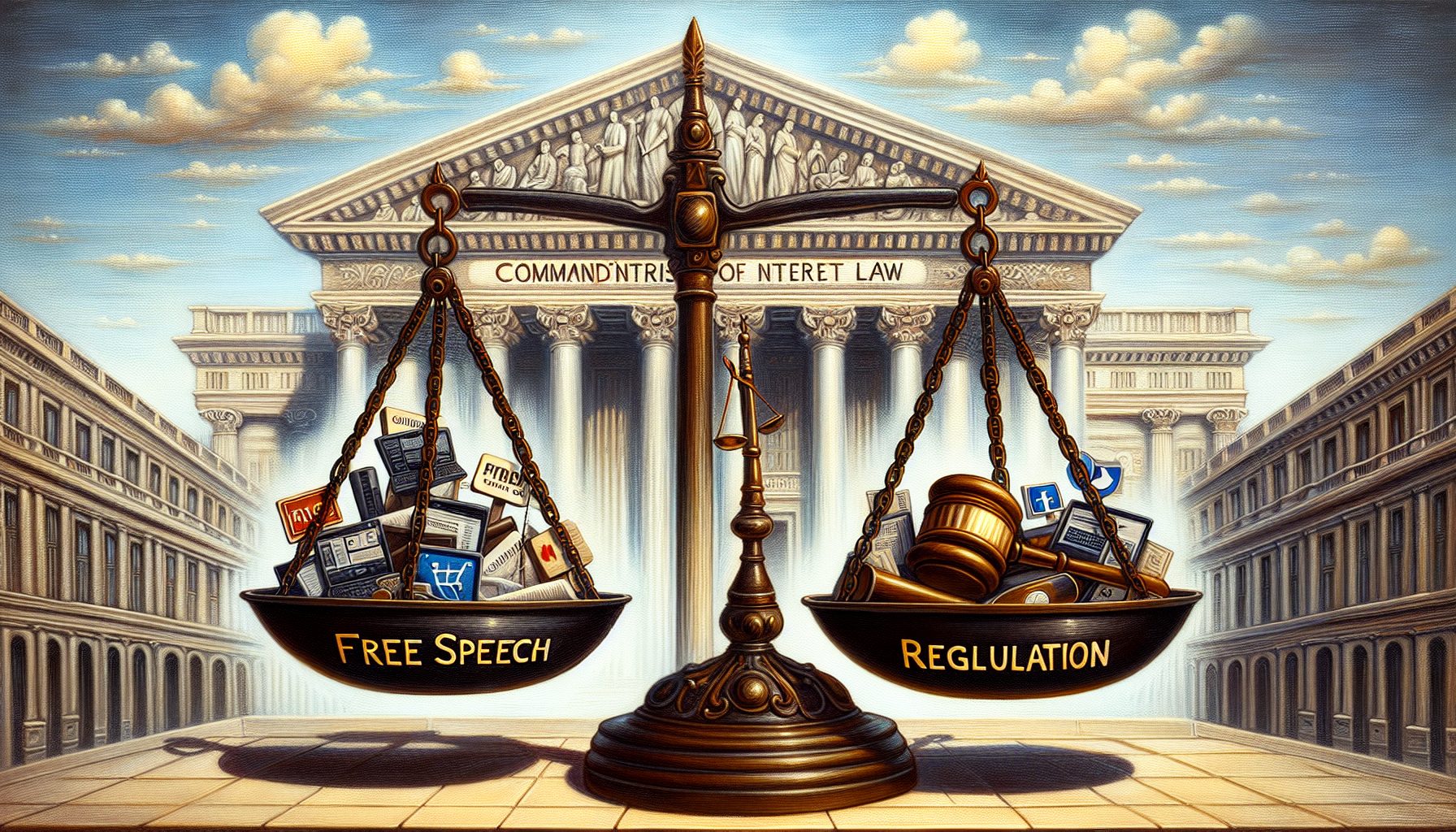
Congress is debating a proposal that would dramatically limit speech on the internet. The proposed “Legislative Proposal to Sunset Section 230 of the Communications Decency Act” would eliminate the protections granted to internet platform providers under Section 230. This legislation could deal a critical blow to free speech and the internet as we know it.
Section 230 was created in 1996 to help people and businesses connect, innovate and share information. It established the principle that responsibility for online speech lies with the speaker. Section 230 also ensures internet platforms can remove offensive or inappropriate speech without fear of liability.
Eliminating Section 230 would be a gift to trial lawyers eager to make money. Without these protections, anyone could sue website owners for information posted or comments made by individual users. That would add a potentially crippling “litigation tax” to the cost of doing business for any site that allowed public commentary.
It will put the future of many online services and social media sites at risk.
Limiting internet speech protections
Proponents frame this legislation as pushback against Big Tech, but Section 230 protects innovators of all sizes, including small businesses and startups.
It protects church bulletin boards, online newspapers, and microblogs. It also protects our free speech. If Section 230 is weakened, it will leave behind a bleak internet—either an oversanitized version or a free-for-all one.
Sunsetting Section 230 will chill free speech, eliminate tools and functions that Americans rely on, and make the online experience worse for everyone. Claims that Section 230 stands in the way of efforts to stop crimes online ignore the fact that these actions are already prosecutable. If something is illegal in real life, it is illegal on the internet.
Congress has many complex issues to deal with as technology moves forward. But the one thing Congress should not do is take down the legal framework upholding U.S. innovation. This is the time for anyone who uses internet platforms to make their voice heard—and tell Congress “no thanks” to a proposal that would mean a bleak future for the internet.

Cameron is a highly regarded contributor in the rapidly evolving fields of artificial intelligence (AI) and machine learning. His articles delve into the theoretical underpinnings of AI, the practical applications of machine learning across industries, ethical considerations of autonomous systems, and the societal impacts of these disruptive technologies.