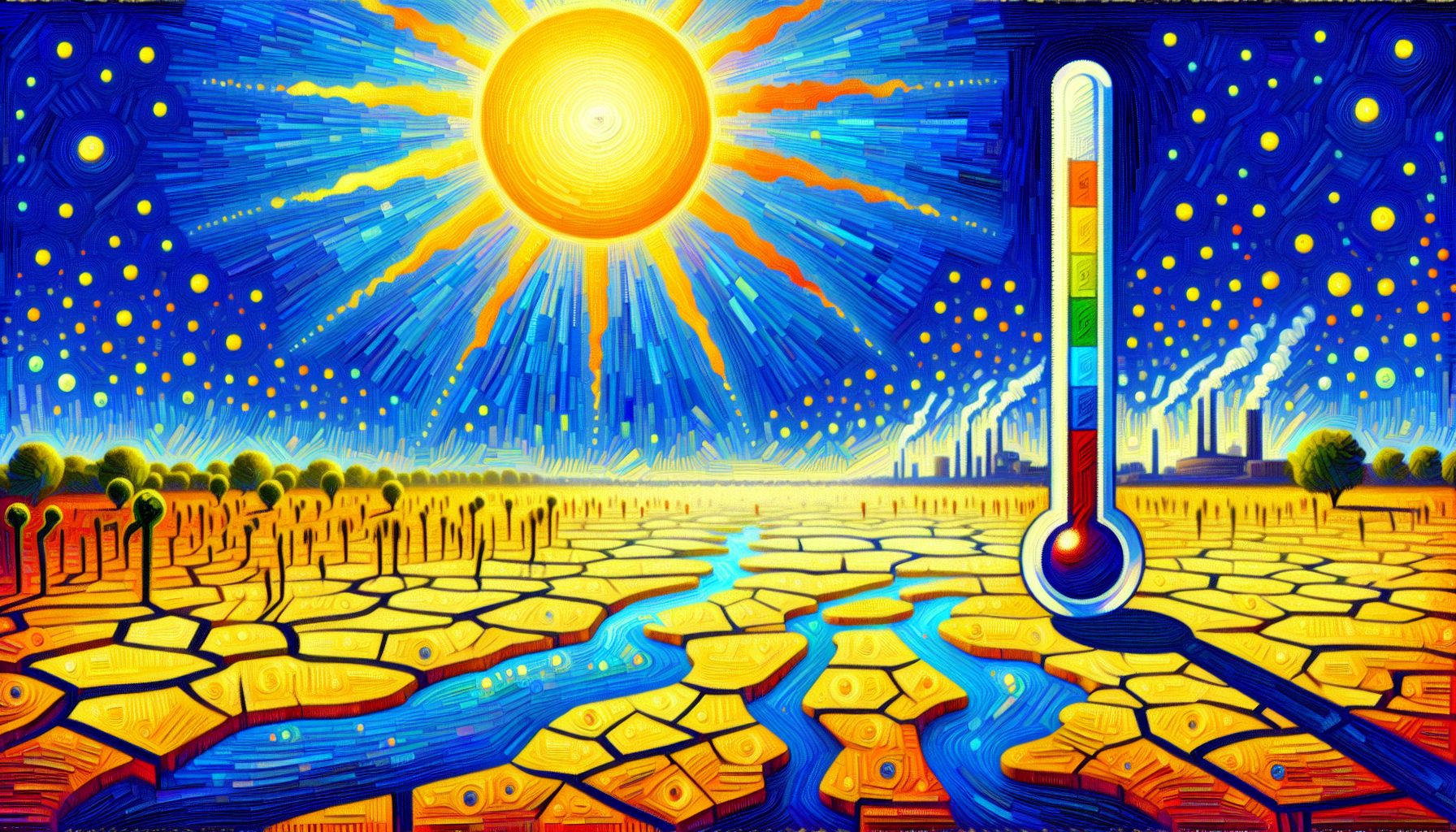
Heat is becoming a global problem. Extreme heat increases dramatically even with global temperature being just ~1.5 °C above preindustrial in the past months. Global mean temperature is 71% ocean surface which keeps cooler. But we live on land.https://t.co/ulBvf6fQar
— Prof. Stefan Rahmstorf 🌏 🦣 (@rahmstorf) July 15, 2024
The summer of 2024 has been marked by extreme heat waves that have affected millions of people across the United States. The heat has been relentless, from Death Valley, which hit a scorching 134 F (53.9 C), to Las Vegas, which saw temperatures soaring to 120 F (48.9 C). In California, days of over 100-degree heat have dried out the landscape, while Oregon has reported several unprecedented heat incidents.
This extreme heat is not limited to the United States.
So hot that over 60 percent of humanity experienced extreme heat last month, which also marked 13 consecutive months of record-breaking heat. #ThinkLandscapehttps://t.co/f0gngsG0yF
— Global Landscapes Forum (GLF) (@GlobalLF) July 15, 2024
Globally, each of the past 13 months has been the hottest on record for that month, including the hottest June, according to the European Union’s Copernicus climate service. The service reported on July 8, 2024, that the average temperature for the previous 12 months had also been at least 1.5 C (2.7 F) warmer than the pre-industrial average in 1850-1900.
“The coastal catch dropped by nearly 40% in Côte d’Ivoire between 2003 and 2020. And, in Ghana, annual landings of round sardinella, an economically important fish in the country, fell by 90% between 1992 and 2019.” https://t.co/TtjBZ0qr0u
— David Wallace-Wells (@dwallacewells) July 16, 2024
The early season heat, part of a warming trend fueled by human activities, is putting lives at risk worldwide. Record heat has hit several countries across the Americas, Africa, Europe, and Asia in 2024. In Mexico and Central America, weeks of persistent heat starting in spring 2024 combined with prolonged drought.
“The actual number of heat deaths is at least 10 times the official count, even in Florida’s advanced medical system. And it might be 300 times higher.” https://t.co/ExXKo36JQT
— David Wallace-Wells (@dwallacewells) July 15, 2024
Extreme heat turned into tragedy in Saudi Arabia as many Muslim pilgrims collapsed and died during the Hajj pilgrimage to Mecca in June 2024. Over 1,000 people died in the heat. Hospitals in Karachi, Pakistan, were overwhelmed amid frequent power outages.
Neighboring India faced temperatures around 120 F (48.9 C) that affected millions of people, many of them without air conditioning.
Breaking temperature records this summer
Although heat waves are a natural part of the climate, the severity and extent of the heat waves so far in 2024 are not just “summer.” A scientific assessment of the fierce heat wave in the eastern U.S. in June 2024 estimates that such heat was more likely to occur today because of human-caused climate change than it would have been without it.
Global surface temperatures have risen faster per decade in the past 30 years than over the past 120. While a degree or two temperature difference might not seem significant, even fractions of a degree greatly impact the global climate. This summer might be one of the hottest on record, but it may also be one of the coldest summers of the future.
The risks are even higher for vulnerable populations, including young children, older adults, and outdoor workers. Renters will face increasingly dangerous conditions in places where air conditioning may be unaffordable. Extreme heat can also affect economies.
It can buckle railroad tracks and cause power lines to sag, leading to blackouts. The good news is that there are solutions. While the future in a warming world is daunting, countries have made progress.
In the U.S., the 2022 Inflation Reduction Act can potentially mitigate some of these impacts. Switching from air conditioners to heat pumps can reduce fossil fuel emissions while providing more efficient cooling. Actions to reduce warming can limit a wide range of hazards and create numerous near-term benefits and opportunities.
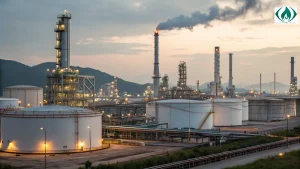
Reducing fossil fuel emissions can avoid a warmer future with even worse heat waves and droughts while providing other benefits such as improved public health, job creation, and reduced ecosystem risks.

Noah Nguyen is a multi-talented developer who brings a unique perspective to his craft. Initially a creative writing professor, he turned to Dev work for the ability to work remotely. He now lives in Seattle, spending time hiking and drinking craft beer with his fiancee.