OOH advertising, also called out-of-home advertising, is one of the oldest forms of marketing. It involves using posters or billboard ads placed in strategic locations. Businesses pay advertising companies to place ads in specific locations for set periods. This would mean a nice poster advertising your company would be emblazoned on a town centre billboard for a few weeks or months.
To no one’s surprise, OOH advertising became less popular as digital marketing gained traction. Companies started to wonder, why spend money on a poster or billboard when they could buy digital ads instead? Other forms of digital marketing – like blogging and general content creation – allowed for companies to build trust and transparency like never before.
Digital marketing quickly became more cost-effective and consumer-friendly. Many brands paused OOH advertising for a while, but it’s back and better than ever, driven by digital OOH (DOOH). It’s a new evolution of traditional OOH, and here’s how it’s been adapted to work in the digital-dominant world.
Digital Screens Instead Of Static Posters
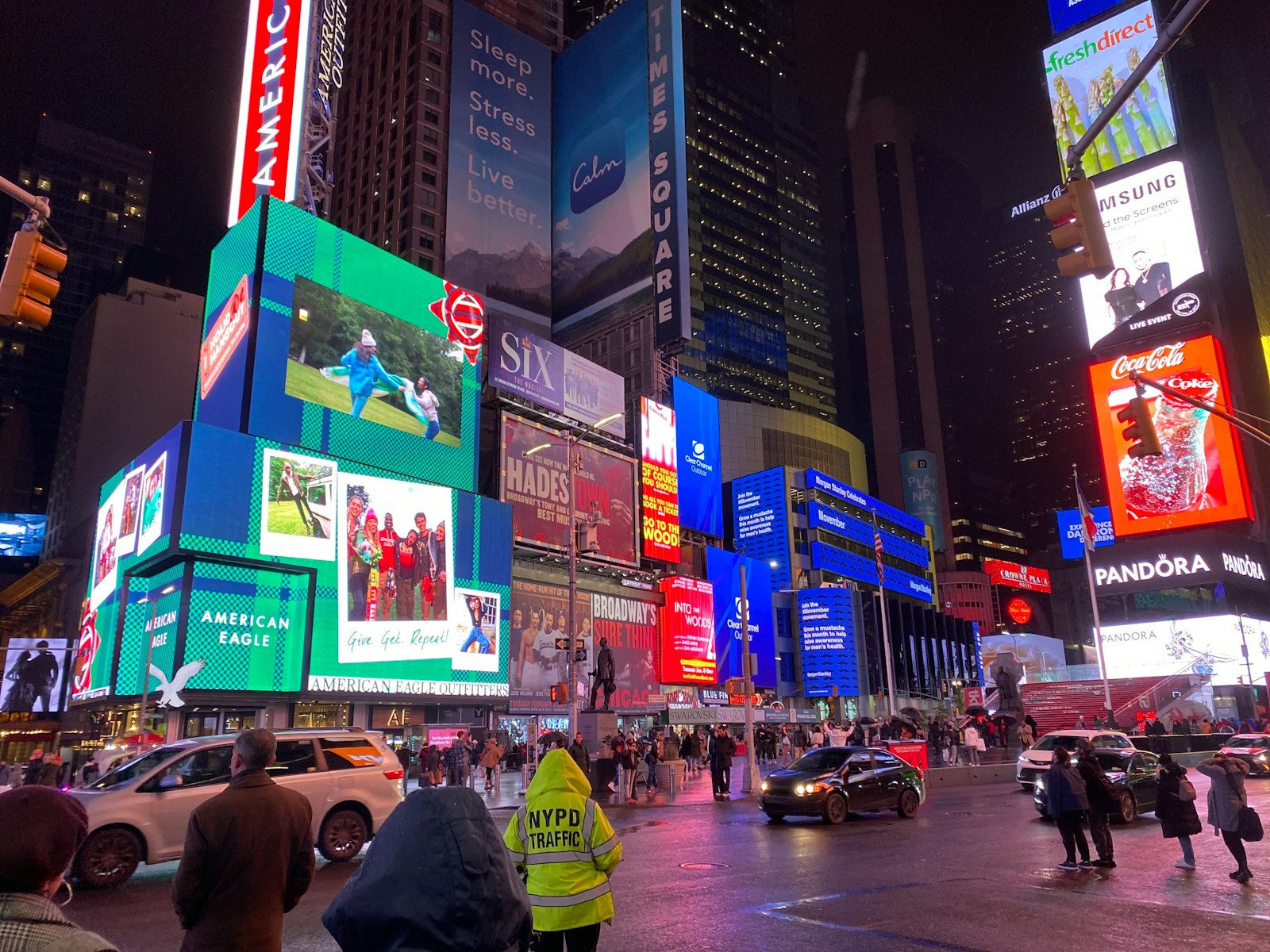
The first change saw a shift from static advertising to digital screens. You notice these everywhere you go; bus stops have large screens that display different ads instead of the same poster. You can even identify busy areas of London or the classic Times Square in NYC with dozens of digital advertising screens.
Experts realised that traditional out-of-home advertising no longer engaged consumers. People are used to quickfire adverts with moving elements, and that’s where the screens come in. You can now design ads for digital screens, enabling simple animations, video shorts, and other elements that bring the advert to life.
In some ways, it’s like taking a phone screen and enlarging it for more people to see. These days, many OOH ads look like they were designed for social media rather than a simple billboard/poster.
Incorporating Interaction Into OOH Advertising
Digital marketing has significantly changed how consumers and advertisers interact. It signalled a shift from direct to indirect marketing, in which consumers choose to interact. Someone can be on their phone or computer and see an advert or promotion that encourages them to “click here” to learn more or receive a discount.
It’s fast and simple, which is why this digital method is so effective.
DOOH had adopted this idea by incorporating interaction into out-of-home advertising. You’ll see these digital screens (or even some static posters) with QR codes for people to scan. Everyone carries a phone, so it’s simple to open the camera app and scan the code to access the link. This level of interactivity allows advertisers to change how they advertise things out-of-home. Brands now focus less on general awareness and more on running targeted campaigns that encourage people to visit their website directly from the advert via a QR code.
Dynamic Advertising For Businesses
Many argue that the biggest change has been programmatic DOOH. It’s the next step in the DOOH era and has direct parallels with online digital advertising. Before, an OOH advertising spot was static; you or another company booked it for a few weeks/months, and the advert remained in place for the entire time.
Programmatic DOOH turns digital screens into an advertising marketplace. Numerous ads cycle through the screen every day – and they change based on things like:
- Where they’re located
- The time of day
- Certain local events
You can bid on ad placements to push your DOOH content to different demographics at particular times. For instance, if your target audience is teenagers, you’ll bid to get your advert shown on the digital screen at local bus stops right when the local schools end.
OOH advertising is so much more flexible than it used to be because it’s learned from the success of the digital world. This has also created a more competitive, cost-effective way to pay for this type of advertising, leading more companies to invest in it.
Better Data Analytics For Improved Targeting
We can summarise a key reason behind the mass exodus from traditional OOH advertising to digital marketing in one word: data. Digital marketing opened your eyes to loads of information about consumers and your advertising campaigns. You could see how people found your business, who interacted with your online adverts, how many people bought products after clicking on an ad, etc.
OOH advertising could never do this because it was impossible to measure any metric from a simple poster or billboard.
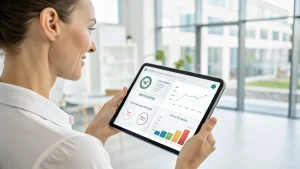
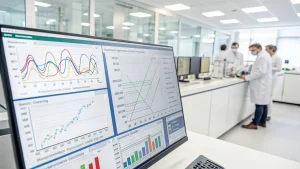
The emergence of interactive ads, along with other data, means you now have more information from DOOH advertising than ever before. Advertising companies that set up their digital screens can collect information about who’s visiting their locations, how many people visit them per day, and their general demographic.
Moreover, QR codes are the biggest game-changer for businesses. The presence of a QR code means you’ve got a clear metric to measure. You can see how many people actively click on the QR code and visit the link. From there, you can also see how many users go on to purchase a product, sign up for a mailing list or stay on your website to learn more about your business.
There’s even more you can do with QR code analytics, but the point here is that OOH advertising has built on its biggest weakness by learning from digital marketing’s biggest strength. This is no longer a “hit and hope” advertising format; it’s one that brings in genuinely measurable data.
The evolution and adaptation of OOH advertising are impressive. It’s all thanks to the birth of DOOH and a calculated change in how you create this type of advertising. You can see there’s a real blend between digital and physical adverts now, and many companies will actively use DOOH to complement an online marketing strategy, or vice versa.
Photo by Jaige Maxwell; Unsplash