When it comes to bulk storage and transport, the container you choose can make or break your workflow. Some businesses stick with what’s familiar—rigid bins, crates, or drums—because they’ve always done it that way. However, as demand for more flexible, cost-effective options grows, FIBC bulk bags are stepping into the spotlight.
From massive warehouses to mobile job sites, choosing between flexible and rigid bulk containers isn’t always black and white. Each has its strengths, and some clear trade-offs—the key is figuring out which one fits your operation best.
What Are FIBC Bulk Bags and Traditional Bulk Containers?
FIBC bulk bags, short for Flexible Intermediate Bulk Containers, are large, woven polypropylene bags designed to carry dry, flowable materials. Most are rated to hold around 2,000 pounds, making them perfect for heavy loads that still need a container that’s lightweight and easy to handle.
Traditional bulk containers, on the other hand, include rigid options like plastic bins, metal crates, and industrial drums. These containers are built to last and offer a sturdy solution for specific types of materials, especially when structure and stacking ability are key.
Many industries—from farming to factories—use both of these. The best choice really depends on your company’s daily workflow.
Storage Efficiency and Flexibility
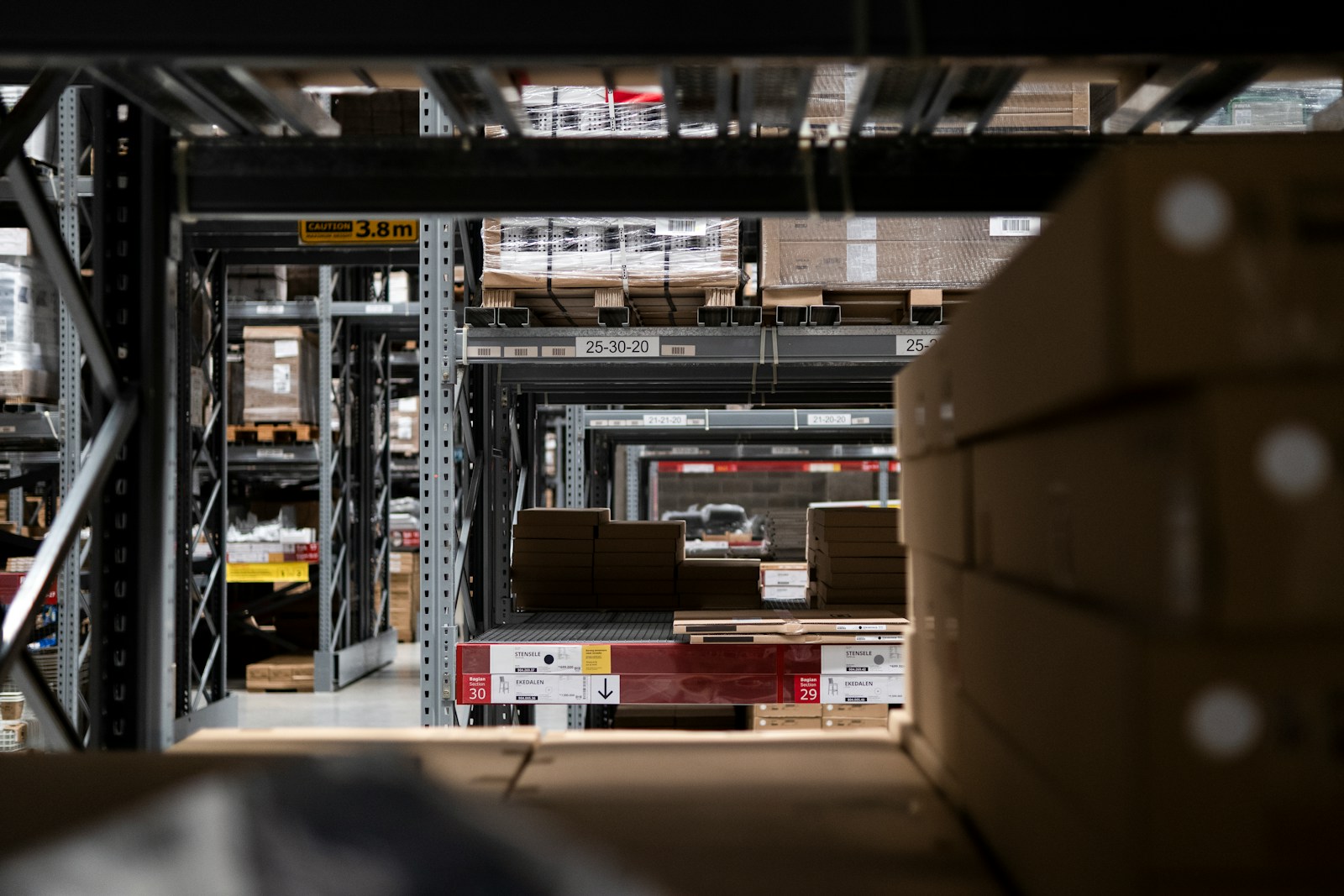
Space is one of the most valuable assets in a large warehouse, and how you use it can directly impact costs. Cost control in a large warehouse starts with smart space management. Space directly impacts your bottom line. FIBC bags really shine here. They flatten when empty. Store them, stack them, or keep extras handy without taking up extra space!
Rigid containers, however, take up the same amount of space regardless of how much they’re holding. That inflexibility can be a real challenge if you’re working with seasonal inventory or constantly shifting stock levels.
FIBC bags also allow for more flexible layouts. You’re not locked into shelf heights or stacking restrictions, which means you can adjust your warehouse layout as needs change without calling for a redesign.
Handling and Transport Considerations
Moving materials from point A to point B is easier when your container is designed to move. FIBC bags come equipped with lifting loops that are forklift- and crane-friendly. They’re also pallet-compatible, so loading trucks or shuffling inventory around the warehouse is quick and simple.
Rigid containers often require specialized racks or dollies, and they’re heavier, even before they’re filled. That can increase labor and equipment costs over time, especially if your operation is high-volume or spread across multiple locations.
If you’re running a fast-paced or mobile setup, the portability of FIBC bags can make a noticeable difference. They’re built to move with your workflow, not against it.
Cost Comparison and Reusability
Cost plays a huge role in the decision-making process, and FIBC bulk bags win points here too. They’re typically more affordable upfront, and because they’re reusable, they deliver strong long-term value when handled properly.
Used FIBC bags are also a smart option for companies looking to save even more without sacrificing quality. Many of these bags have only been used once and still meet high safety and durability standards.
Rigid containers can last a long time, but they come at a higher cost per unit. If one gets damaged or becomes obsolete, replacing it can be pricey. Storage and freight costs are often higher simply due to their bulk and weight.
When to Choose Each Option
FIBC bags are ideal for dry, flowable materials like grain, plastic pellets, powders, and recyclables. They work especially well in operations that value flexibility, portability, and efficient space use.
Traditional bulk containers still make sense for liquids, fragile goods, or materials that require a more solid structure for stacking and protection. If your operation involves long-term storage or needs absolute rigidity, bins and drums may still be the better fit.
The best choice really depends on what you’re storing, how often you move it, and what kind of equipment and space you have available.
Finding the Right Fit for Your Operation
Choosing the right bulk container isn’t just a technical decision—it affects how your operation runs day in and day out. The more flexible your storage and transport solutions are, the easier it becomes to adapt, scale, and save.
FIBC bulk bags offer that kind of adaptability, especially for businesses looking to reduce overhead and reclaim valuable space. If you’re ready to explore practical, space-saving solutions that work as hard as you do, Container Exchanger has options worth checking out, including reliable used FIBC bags that can fit right into your workflow.
Photo by Arum Visuals; Unsplash

Kyle Lewis is a seasoned technology journalist with over a decade of experience covering the latest innovations and trends in the tech industry. With a deep passion for all things digital, he has built a reputation for delivering insightful analysis and thought-provoking commentary on everything from cutting-edge consumer electronics to groundbreaking enterprise solutions.