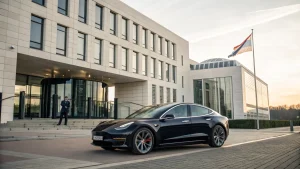
The hum of electric motors is becoming increasingly common on Indian roads. With rising fuel prices, growing environmental awareness, and supportive government policies, electric vehicles (EVs) are no longer a futuristic dream but a tangible reality for many Indian consumers. If you’re considering owning an EV in 2025, this guide will walk you through everything you need to know, from charging to cost.
Understanding the Indian EV Landscape in 2025
By 2025, the Indian EV market is expected to be significantly more mature than it is today. Expect to see:
- Wider Model Availability: Both domestic and international manufacturers will offer a greater variety of EV models across different segments, including hatchbacks like the Tata Tiago EV, sedans like the Tata Tigor EV, SUVs like the MG ZS EV, and even light commercial vehicles.
- Improved Charging Infrastructure: Public charging stations will be more widespread, especially in urban areas and major highways. Government initiatives and private investments will drive this expansion. Expect faster charging technologies like DC fast chargers to become more prevalent.
- Enhanced Battery Technology: Advancements in battery technology will lead to longer ranges, faster charging times, and potentially lower battery costs. Battery-swapping technology is also likely to become more established.
- Government Support and Incentives: The Indian government will continue to promote EV adoption through various schemes like FAME-II (Faster Adoption and Manufacturing of Hybrid and Electric Vehicles) and state-level incentives, including subsidies, tax breaks, and registration fee waivers.
Choosing the Right EV for You
Selecting the right car when owning an EV depends on your individual needs and priorities:
- Range: Consider your daily commute and typical travel distances. If you frequently undertake long journeys, prioritize EVs with longer ranges.
- Battery Capacity: Battery capacity (measured in kWh) directly impacts the vehicle’s range. Higher capacity means more range.
- Charging Speed: If you need to recharge the battery quickly, look for EVs that support fast charging (DC charging).
- Features and Comfort: Based on your preferences, evaluate features like infotainment systems, safety features, and overall comfort.
- Budget: EV prices vary significantly. Determine your budget and explore options within your range.
Charging Your EV
Charging is a crucial aspect of EV ownership. Here’s what you need to know:
- Home Charging: This is the most convenient option when owning an EV. You can install a charging point at your home (a standard AC charger). AC charging is slower but more affordable to set up.
- Public Charging: Public charging stations are becoming increasingly common. These stations offer both AC and DC fast charging options. DC fast charging can significantly reduce charging time. Apps and online platforms help locate available charging stations.
- Charging Time: Charging time depends on the battery capacity, the charging power (kW), and the type of charger. AC charging can take several hours, while DC fast charging can replenish a significant portion of the battery in under an hour.
- Charging Costs: Electricity tariffs vary across states. Charging at home is generally cheaper than using public charging stations. Consider off-peak charging times to save on electricity costs.
The Cost of Owning an EV
While the upfront cost of owning an EV might be higher than a comparable petrol or diesel car, the overall cost of ownership can be lower in the long run:
- Purchase Price: This is the initial cost of the vehicle. Government subsidies and incentives can help reduce this cost.
- Running Costs: Electricity is significantly cheaper than petrol or diesel, leading to lower running costs per kilometer.
- Maintenance Costs: EVs have fewer moving parts than conventional cars, resulting in lower maintenance costs. There are no oil changes, spark plugs, or exhaust systems to maintain.
- Battery Replacement: The battery is the most expensive component of owning an EV. However, battery technology is improving, and battery life is increasing. Many manufacturers offer warranties on their batteries. Battery swapping can also mitigate the cost of replacement.
- Resale Value: As the EV market matures, the resale value of EVs is expected to improve.
Conclusion
Owning an EVin 2025 is a viable and increasingly attractive option for Indian consumers. By understanding the various aspects of EV ownership, from charging to cost, you can make an informed decision and contribute to a cleaner and more sustainable future. The automotive landscape in India is witnessing a transformation. While popular cars like the Hyundai i20, Tata Nexon, and Hyundai Creta continue to define their segments, the growing EV ecosystem with options like the Tata Tiago EV, MG Windsor EV, etc., represents the industry’s shift towards electrification.
While there are still challenges to overcome, the benefits of owning an EV, including lower running costs, reduced emissions, and a smoother driving experience, make them a compelling choice for the modern Indian driver. Research thoroughly, compare different models, and choose the EV that best suits your needs and lifestyle.

Kyle Lewis is a seasoned technology journalist with over a decade of experience covering the latest innovations and trends in the tech industry. With a deep passion for all things digital, he has built a reputation for delivering insightful analysis and thought-provoking commentary on everything from cutting-edge consumer electronics to groundbreaking enterprise solutions.