The collectibles market has been growing fast, with trading cards, coins, comics, and toys leading the way. Yet many collectors still face a common problem: they don’t know where to sell their items safely. Online platforms are crowded, and scams are common. For that reason, more sellers are turning to local collectible shops where they can deal face-to-face with experts. The challenge is finding those shops. That’s where technology comes in. Search engines, apps, and online communities make it easier than ever to find reliable local buyers while keeping the selling process safe and convenient.
Why Local Collectible Shops Remain Important
Even though online marketplaces are popular, physical collectible shops still play a vital role. They provide a trusted environment where sellers can speak directly to knowledgeable staff. Shops also offer fair appraisals and instant transactions without the hassle of shipping or waiting for auctions to end. Buyers benefit too, since they can inspect items in person before making a purchase. This combination of speed, trust, and personal interaction is why local stores remain a preferred option for many collectors.
Search Engines as the Starting Point for Sellers
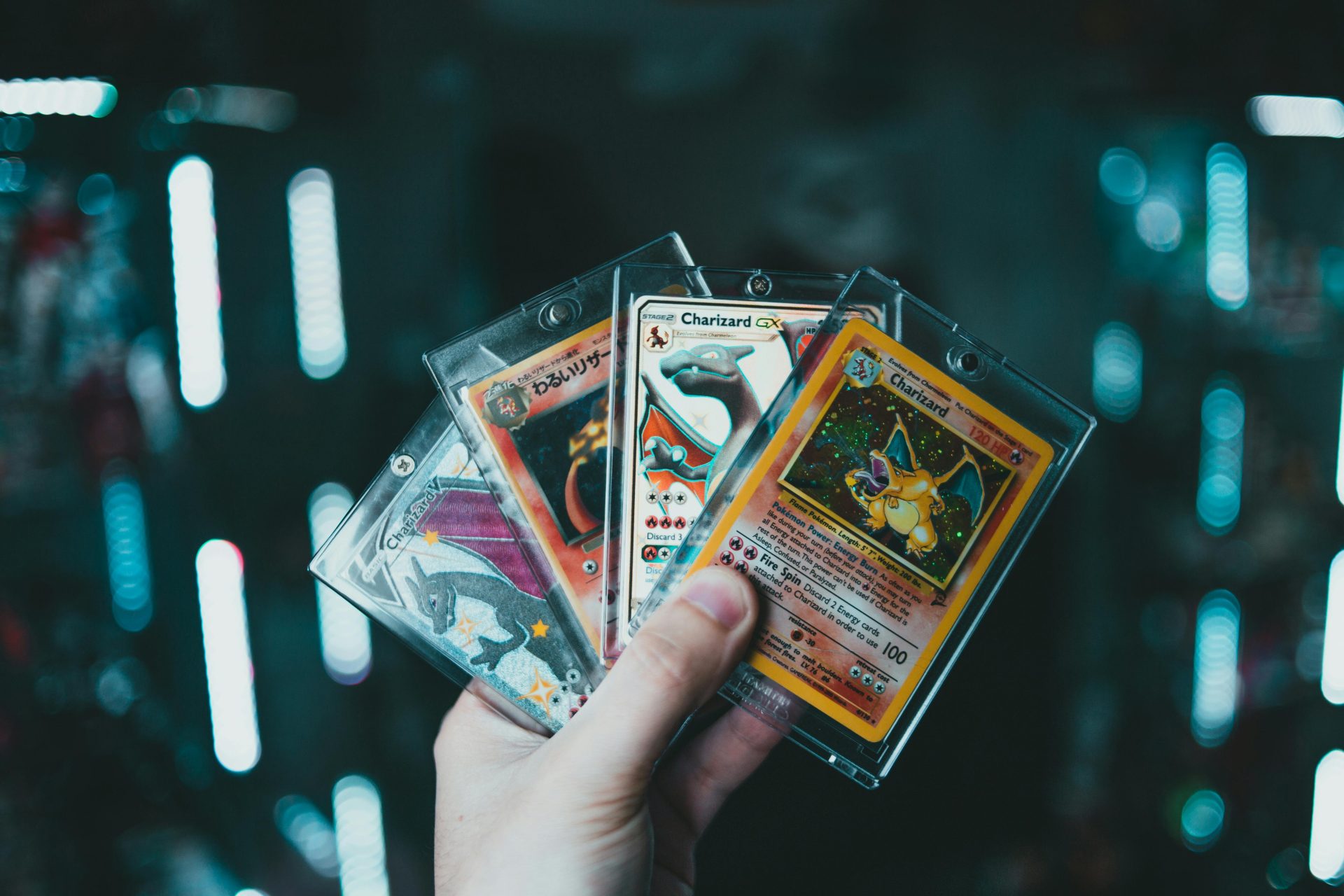
For most people, the first step to finding buyers is typing a query into Google. Searches like “collectible shops near me” instantly show a list of local stores, complete with maps, addresses, and customer reviews. These features make it simple to compare different options. Many shops now keep their Google Business profiles updated, which helps them stand out in search results. For example, someone searching online for guidance on how to sell Pokemon cards might begin with a simple Google query and end up discovering a trusted shop in their own city. Sellers who take a few minutes to browse these listings often find stores nearby that they might not have known existed. Search engines have become one of the most effective ways to initiate the sales process.
Using Social Media to Discover Trusted Local Shops
Social media is not only for connecting with friends; it has become an important research tool. Local collectible shops often have Facebook pages or Instagram profiles where they share updates, showcase recent buys, and advertise upcoming events. Collectors’ groups on platforms like Facebook also provide recommendations about which local stores are reliable. Sellers can check these spaces to learn about shops with good reputations in their area. Instead of relying only on random online listings, they can use social media to identify stores that have built trust within the community.
Learning from Collector Communities to Choose the Right Store
Online forums and hobby communities are another valuable resource. Spaces like Reddit’s collecting groups or specialized trading card forums often feature discussions about trustworthy local stores. Collectors share personal experiences, both positive and negative, that can guide newcomers. These communities don’t just help people sell items; they also provide advice about avoiding scams and choosing reputable buyers. For instance, someone searching for guidance on how to trade comics might read about which shops in their city offered fair deals and friendly service. By listening to the experiences of other collectors, sellers can make smarter decisions about where to go.
Checking Reviews and Ratings Before Visiting a Shop
Not all stores offer the same experience, which is why reviews matter. Google, Yelp, and Facebook display customer feedback that can reveal how fairly a shop treats sellers. A store with strong ratings is more likely to provide honest pricing and good service. Reading both positive and negative reviews helps sellers understand what to expect. For example, consistent complaints about lowball offers may be a warning sign, while repeated praise for knowledgeable staff signals a shop worth visiting. Spending a few minutes on reviews can save time and ensure a more rewarding experience.
Confirming a Store’s Legitimacy Online
Before walking into a shop, sellers should verify that the business is legitimate. A proper website with location details, store hours, and contact information is a good starting point. Social media activity is another sign of credibility, especially when the store regularly engages with customers. Some shops also highlight memberships in professional groups or industry associations, which add to their trustworthiness. Checking local business directories or state registration databases is another way to confirm legitimacy. These steps reduce the chance of dealing with a temporary or unreliable operation.
Turning Online Research into In-Person Sales
Once a shop has been identified, it’s best to reach out before visiting. A quick phone call or email can confirm whether the store is currently buying the type of collectibles you have. Sellers should also prepare by organizing items, bringing protective cases, and carrying any proof of authenticity. Meeting in person allows for negotiation and ensures that items are handled carefully. Many sellers find that this approach not only makes the process smoother but also helps them build a stronger connection with the store for future transactions.
Building Long-Term Relationships with Local Buyers
Selling collectibles doesn’t have to be a one-time event. Establishing a relationship with a local shop can pay off over time. Regular sellers may receive better offers, faster service, or invitations to exclusive store events like trade nights. Shops benefit from repeat sellers as well, since they can rely on a steady supply of inventory. This long-term relationship also keeps sellers updated about market trends and demand. By staying connected, collectors can continue turning their hobby into value whenever they choose to sell again.
Technology has simplified the process of finding local collectible buyers. Search engines, social media, apps, and online communities provide the tools to locate trustworthy shops, read reviews, and confirm legitimacy before visiting. While online platforms may be the first step, most sellers discover that local stores offer the security, expertise, and personal interaction that digital-only spaces cannot match. By combining online research with in-person sales, collectors get the best of both worlds: the convenience of technology and the reliability of dealing face-to-face with experts. For anyone looking to sell collectibles, this approach makes the process safer, faster, and far more rewarding.
Photo by Erik Mclean; Pexels

Rashan is a seasoned technology journalist and visionary leader serving as the Editor-in-Chief of DevX.com, a leading online publication focused on software development, programming languages, and emerging technologies. With his deep expertise in the tech industry and her passion for empowering developers, Rashan has transformed DevX.com into a vibrant hub of knowledge and innovation. Reach out to Rashan at [email protected]