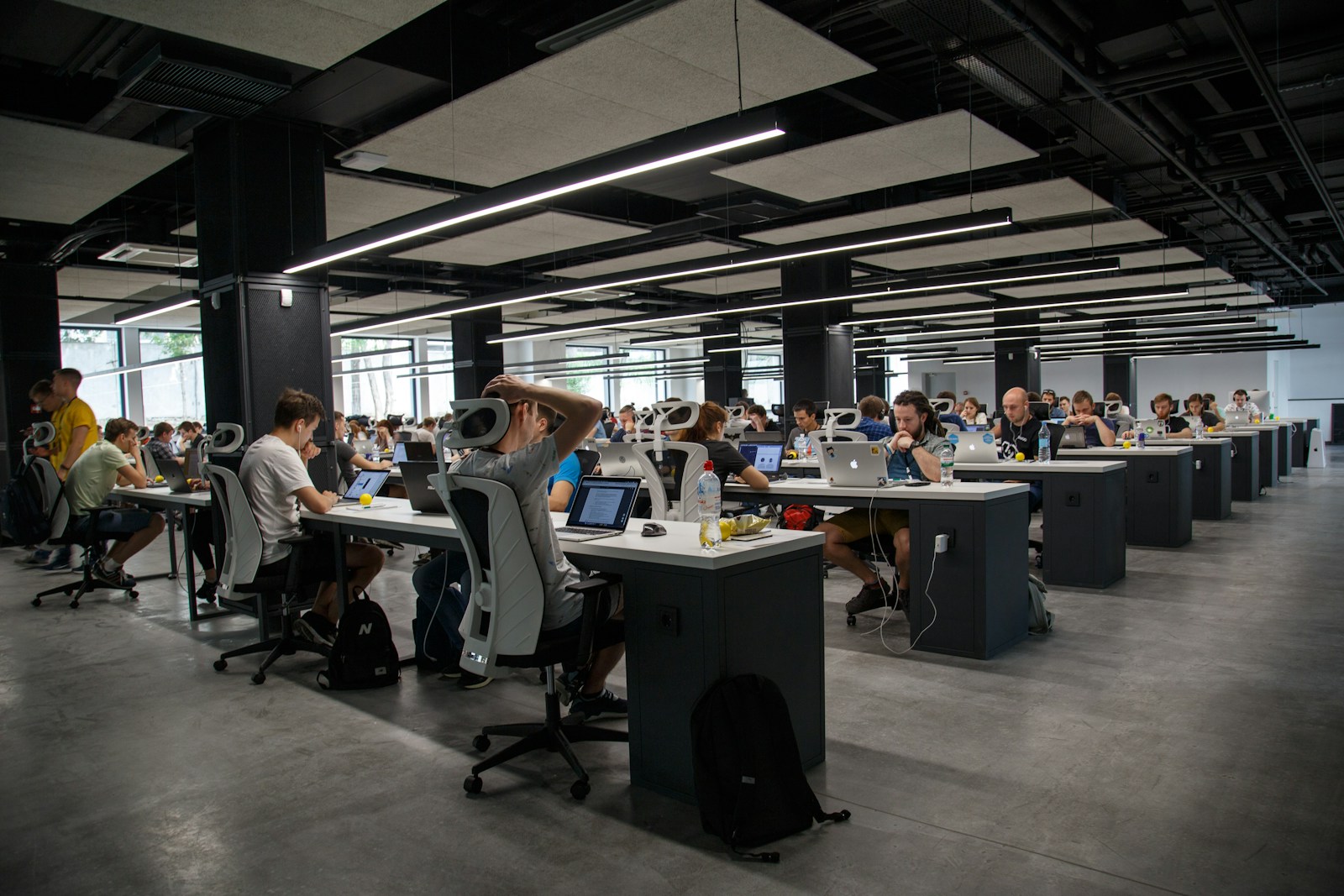
Hot desking, a workplace technique that allows employees to utilize any vacant desk rather than being assigned seating, has grown in popularity due to its flexibility and ability to economize office space. Companies have used this strategy to adapt to hybrid work styles while lowering overhead expenses by maximizing desk utilization.
While hot desking has obvious advantages, it has received strong criticism from employees and workplace specialists. Concerns vary from dissatisfaction due to a lack of customization to difficulties with team cohesion and staff wellbeing. These issues have spurred disputes over whether the paradigm increases productivity or causes more problems than it solves.
Lack of Personalization and Comfort
Hot desking often faces criticism for its lack of personalization options, as employees struggle with the inconvenience of daily setup routines and the absence of a consistent workspace tailored to their needs. However, innovative solutions like https://unspot.com/ address these challenges by optimizing shared workspace usage, making the system more efficient, and enhancing employee comfort and productivity.
Competition for desirable workstations (such as those near windows or in calmer areas) can also cause stress and anxiety, especially during peak hours. This lack of consistency and comfort might negatively influence employee happiness and attention.
Businesses can address these issues by offering secure storage for personal belongings or designing semi-permanent workstations that blend flexibility and comfort.
Potential for Overcrowding and Availability Issues
- Overcrowding Risks: Hot desking frequently results in congested workstations during peak hours, making it difficult for employees to find open desks.
- Desk Unavailability: Without effective management methods, employees may struggle to secure a desk, resulting in delays and irritation.
- Desk Competition: Employees may arrive early to secure a position, causing additional stress and anxiety at work.
- Impact on Collaboration: Teams may be dispersed across the workplace, lowering communication and efficiency for team-oriented initiatives.
- Lack of Management Tools: Offices without desk booking systems or defined policies have more disorderly seating and desk allocation challenges.
To solve these concerns, businesses might install desk reservation systems, monitor workplace utilization, and establish defined team zones to improve accessibility and minimize disturbances.
Impact on Team Collaboration
- Separation of Team Members: Hot desking frequently disperses team members throughout different office spaces, making spontaneous cooperation and communication difficult.
- Reduced Interaction: Employees may find it difficult to identify colleagues quickly, which slows decision-making and information flow.
- Weakened Team Bonds: Inconsistent seating arrangements can have an influence on team dynamics by preventing employees from engaging in casual encounters that establish connections.
- Managerial Challenges: When team members are dispersed, supervisors may find it difficult to monitor team performance or provide rapid feedback.
- Disrupted Workflows: If team members cannot work in close proximity, collaborative projects may experience delays and inefficiencies.
To address these challenges, firms might create team zones where personnel from the same department or project group can constantly collaborate. This approach helps preserve collaboration while maintaining some flexibility of hot desking.
Hygiene and Health Concerns
Hot desking poses serious hygienic problems since employees share desks, seats, and equipment. Inconsistent cleaning techniques and shared surfaces raise the danger of germ transmission, especially in a post-pandemic context where health concerns are heightened. Employees may be uncomfortable using shared goods like keyboards or phones, reducing productivity and pleasure.
To address these challenges, firms can implement regular cleaning schedules, provide disinfection wipes at workstations, and make personal equipment available when possible. These methods can help maintain a clean and safe work environment, reducing employee worries.
Psychological Impact on Employees
Employees who use hot desking may feel unstable and disconnected since they do not have a steady workstation to customize. This unpredictability and remoteness from coworkers may cause stress, low morale, and lower job satisfaction.
To offset these consequences, businesses might adopt desk reservation systems, define team zones, and provide flexible choices for employees who want stable workplaces. These approaches promote wellness while preserving the flexibility of hot desking.
Balancing Benefits and Drawbacks
While hot desking provides flexibility and cost savings, addressing its downsides is critical to maintaining employee satisfaction and productivity. Businesses should strike a balance by developing strategic tactics that capitalize on the benefits of hot desking while mitigating its drawbacks.
Strategies to Balance Benefits and Drawbacks
- Implement Desk Reservation Systems
Providing employees with a way to book desks in advance reduces the stress of finding an available workspace and minimizes overcrowding during peak hours. - Create Team Zones
Designating specific areas for teams ensures that colleagues can collaborate effectively while maintaining some level of stability and proximity. - Offer Secure Storage for Personal Items
Lockers or storage solutions allow employees to safely store their belongings, addressing the lack of personalization and convenience in hot desking. - Enhance Cleaning Protocols
Regular sanitization of shared workspaces and providing disinfectant supplies address hygiene concerns and foster a healthier work environment. - Gather Employee Feedback
Conducting regular surveys or discussions with employees helps identify pain points and allows businesses to adapt hot desking policies to suit their needs better. - Provide Hybrid or Flexible Options
Combining hot desking with assigned desks or remote work options accommodates diverse preferences, balancing flexibility and stability.
Companies that use these tactics can enhance the hot-desking experience and foster a workplace climate that promotes corporate goals and employee well-being.
Conclusion
Hot desking is a modern workplace practice with several benefits, including flexibility and cost savings. However, it has received significant criticism for a lack of customization, congestion, cleanliness problems, and potential detrimental effects on cooperation and employee well-being.
Businesses may address these difficulties by implementing practical solutions such as desk reservation systems, team zones, safe storage, and improved cleaning procedures. Gathering employee input and providing hybrid or flexible workspace alternatives may enhance the experience and foster a supportive work environment.
Image Credit: Photo by Alex Kotliarskyi; Unsplash

Kyle Lewis is a seasoned technology journalist with over a decade of experience covering the latest innovations and trends in the tech industry. With a deep passion for all things digital, he has built a reputation for delivering insightful analysis and thought-provoking commentary on everything from cutting-edge consumer electronics to groundbreaking enterprise solutions.