The appliance repair industry isn’t often discussed in the same breath as fintech or cloud-native SaaS, but it presents a fascinating case study in digital transformation. Once reliant on sticky notes, landline phones, and handwritten invoices, appliance service companies are now discovering that software can be the difference between stagnation and scalability.
Solutions like Workiz appliance repair business software are introducing concepts familiar to developers, API integrations, real-time data flows, and automated workflows, into a sector that has historically been slow to digitize.
For technologists, this is a window into how software architecture can reshape even the most traditional industries.
When Legacy Workflows Meet Modern Software
Appliance repair businesses are a textbook example of fragmented workflows, characterized by dispatching jobs via phone calls, storing customer histories on paper, and relying on technicians to handle billing in the field. These “analog processes” create friction at every step.
From a software perspective, the challenge isn’t building cutting-edge features; it’s designing systems that unify disparate tasks into a coherent, user-friendly platform. This involves integrating scheduling, dispatch, invoicing, and customer communication into a unified digital platform.
APIs and the Power of Integration
For developers, one of the most compelling aspects of platforms like Workiz is how they function as middleware for the service economy. Instead of being a closed ecosystem, modern field service platforms expose APIs that allow:
- Integration with payment gateways like Stripe or Square.
- Syncing with accounting tools like QuickBooks.
- Data exchange with CRMs for better customer segmentation.
- Route optimization with mapping services.
This approach highlights an important lesson: the future of vertical SaaS isn’t about reinventing every wheel, it’s about stitching together best-in-class services through robust APIs.
Data: From Service Logs to Strategic Insights
Every service call generates data: the type of repair, the parts used, the time spent, the customer’s feedback. Historically, this data evaporated once the job was done. With software, it becomes structured, queryable, and actionable.
For developers building these platforms, the challenge is handling messy, real-world datasets and turning them into insights such as:
- Predicting seasonal demand for specific appliances.
- Identifying technician performance bottlenecks.
- Forecasting parts inventory.
In effect, appliance repair becomes a data problem, one that rewards businesses who treat analytics as a first-class citizen.
Security and Compliance in a Service Context
Unlike consumer apps, field service platforms deal with sensitive PII (personally identifiable information) and financial transactions. Appliance repair companies may not think of themselves as high-value targets, but any business processing card payments and customer addresses must adhere to security best practices.
Key considerations include:
- PCI compliance for payment processing.
- Role-based access controls to protect customer data.
- Secure mobile apps for technicians in the field.
- Encrypted communication between client, technician, and platform.
For developers, this underscores the importance of building trust into the architecture, because one breach could erase years of customer loyalty.
Automation as the Differentiator
The service economy thrives on efficiency, and automation is where software shines. In appliance repair, this takes the form of:
- Automated reminders to reduce missed appointments.
- Triggered invoices after job completion.
- Intelligent dispatching that routes technicians based on skills and proximity.
- Workflow automations that eliminate redundant back-office tasks.
From a developer’s perspective, the design challenge is balancing automation with flexibility. The system must handle exceptions gracefully while reducing repetitive human input.
Scalability: From One Truck to an Enterprise Fleet
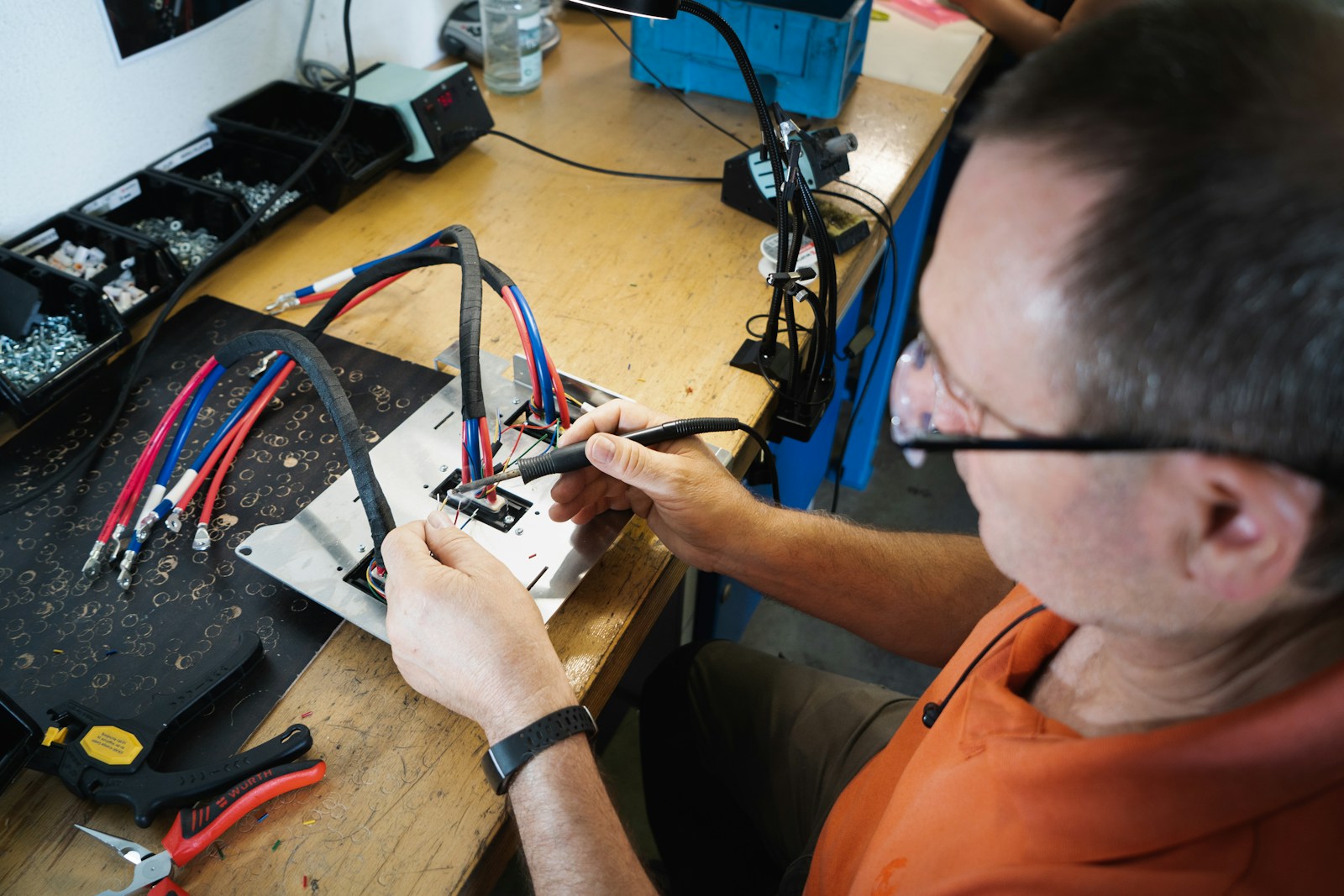
Image from Unsplash
One of the most fascinating dynamics in appliance repair is how quickly scale can break manual systems. A one-person shop can manage with spreadsheets, but add five technicians and chaos ensues. Software platforms address this by providing:
- Multi-user management.
- Hierarchical permissions.
- Cloud infrastructure that scales with demand.
For developers, it’s a reminder that scalability isn’t just about servers, it’s about UX, permissions, and workflows that grow with the business.
Looking Forward: AI, IoT, and Predictive Service
The next frontier isn’t just digitizing workflows, it’s anticipating them. As appliances themselves become IoT-enabled, service platforms can integrate telemetry directly into scheduling systems. Imagine:
- Washing machines that notify the platform before a part fails.
- AI-driven demand forecasting that predicts technician availability.
- Computer vision tools for remote diagnostics.
For the developer community, appliance repair is an unlikely but fertile ground for experimenting with edge computing, IoT integration, and applied machine learning.
Appliance repair may not be glamorous, but it illustrates a broader truth: every industry is becoming a software industry. Platforms like Workiz appliance repair business software are showing how APIs, data, automation, and scalability can transform even the most traditional services into modern, efficient operations.
For further insights into how digital transformation strategies are reshaping legacy industries, check out DevX’s article “Why Businesses Should Consider Legacy Application Modernization for Digital Transformation,” which explores the critical role modern software practices play in revitalizing long-standing systems to meet today’s demands.
Photo by Kumpan Electric; Unsplash

A seasoned technology executive with a proven record of developing and executing innovative strategies to scale high-growth SaaS platforms and enterprise solutions. As a hands-on CTO and systems architect, he combines technical excellence with visionary leadership to drive organizational success.