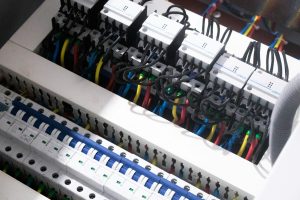
Running an internal business server demands significant effort, money, and time resources. However, renting a server presents a compelling alternative. With no upfront costs and no need for a dedicated IT team, many businesses find that server rental in Australia offers a more cost-effective solution.
When considering server leasing as the best option for your use case, it’s crucial to understand the associated risks and trade-offs clearly. This knowledge will empower you to make informed decisions that align with your business needs.
Why Rent a Business Server?
These days, if you want to launch a new company, purchasing a server might not be within your means. Therefore, renting servers is preferable in the early stages of your firm. You don’t have the time or resources to buy your server as a startup owner because it takes time and money.
Therefore, renting a dedicated server from a trustworthy rental server supplier will reduce your financial risks and increase your company’s profit.
Benefits of Renting a Business Server
- Scalability: When renting a server, you can scale up or down your resources based on your business needs. For example, you can boost your server’s capacity to handle more traffic during heavy demand or save money by downgrading your server rental package when your needs change.
- Maintenance and Support: When you rent a server, the server provider handles hardware upkeep, upgrades, and technical support. This frees your IT staff from handling hardware-related duties, allowing them to focus on strategic initiatives that enhance your company’s value.
- Decreased Downtime: When you rent a server, you gain a high level of dependability and guaranteed business server uptime. The server rental company has backup power sources and knowledgeable staff who can troubleshoot any issues. This significantly boosts production and minimizes downtime, making you feel secure and productive.
- Security: If the business purchases the server, it will significantly invest in security measures to safeguard its infrastructure and data. It uses intrusion detection systems, firewalls, encryption, and other security measures to protect sensitive data. However, the company that rents servers also makes investments in security.
Types of Servers Available for Rent
Dedicated Servers vs. Bare Metal Servers vs. VPS
- Dedicated Servers: Physical servers exclusively dedicated to one client are called dedicated servers. Businesses can rent dedicated servers to get optimal software and hardware configurations. This makes them suitable for processing confidential information and performance-sensitive applications.
- Bare Metal Servers: Single-machine instances with no virtualization layer are known as bare metal servers, which are sometimes interchanged with dedicated servers. Direct hardware access is provided here, which enhances performance and reduces latency. The main variations are scalability and flexible provisioning, which are typically offered by cloud platforms.
- Cloud Servers: These virtual business servers use actual computers to provide elastic resources while executing in a cloud environment. With their extreme flexibility, users have to pay for the resources only and can modify them as per their requirements.
Performance Differences Between Virtual/Managed and Bare Metal Servers
Metal servers perform better than virtual servers, which might lose out on sharing resources because they have direct hardware access.
- Control: Although controlled virtual servers limit customization, bare metal server rent provides full root access.
- Scalability: Although bare metal servers require manual updates, cloud servers are better in dynamic scalability.
Server Configurations and Specifications
- CPU generation and cores,
- amount of RAM,
- storage space (SSD or HDD),
- and bandwidth
are significant parameters. Performance metrics such as latency and IOPS (Input/Output Operations Per Second) are crucial for high-end applications. Windows Server and Linux distributions are standard operating systems that provide flexibility to support various applications (Ubuntu, CentOS).
Options for Renting a Business Server in Australia
1. Bare Metal Servers
Bare metal dedicated servers are physical computers. Renting a bare metal server is more common because it allows users total hardware control and implies that users can install configurations based on their needs. However, providing excellent performance costs more than virtual servers. Companies can rent bare metal servers if they need complete control and specialized resources.
2. Dedicated Server Hosting
A dedicated business server is rented in Australia to accommodate a single user. When using the server alone, sharing resources with other users is impossible. As a result, it offers increased dependability and improved performance. Another name for it is a workstation rental. Processing sensitive corporate and scientific data is best done by renting a dedicated server.
3. Managed vs. Self-Managed Servers
Fully maintained servers are available for hire as managed servers. The managed server takes great care in streamlining everything, from setup to support. This kind of server rental is constantly watched to avoid outages.
As your company expands, you can modify the resources on a managed server. Cost-wise, it might lessen the requirement for internal IT knowledge. This kind of server rental is perfect for companies that want the advantages of a less complicated setup.
Although a self-managed server gives you more control over server configurations, maintenance and problem-solving require in-house technical know-how.
Key Considerations When Renting a Server
When renting a business-purpose server, it’s crucial to consider elements that align with your needs. This approach ensures you’re well-informed and empowered to make the best decision for your business. Let’s assess the salient features.
1. Performance and Specifications
The server’s specifications directly affect its ability to meet your business needs. Therefore, before renting a server, you need to consider things like a fast CPU, a large amount of RAM, and a large amount of data storage like an SSD. It provides dependable and strong leasing server performance.
2. Data Security and Uptime
One way to protect yourself against cyberattacks is to confirm security when renting a server. Server security safeguards critical information and corporate data, as potential dangers may impact your company. Strong encryption is, therefore, required for rented servers.
Rentable servers’ dependability and uptime impact their credibility and your business. The server must perform well and have no unplanned failures, keeping customers happy and trustworthy.
3. Contract Flexibility and Costs
Please find out how much a server costs and whether it is pay or subscription-based. It needs to be within your means. Clear the extra costs for configuration, maintenance, or excessive bandwidth usage. Examine the rental agreement to modify the terms and circumstances.
How to Choose the Right Server Provider in Australia?
- Provider Comparison: When comparing server providers, review customer reviews, support, and reputation. Look for suppliers with good reviews for their reliability and efficiency.
- Key Questions to Ask: Ask if they have DDoS protection, private network features, OS options, and support for specific corporate applications.
- Practical Tips: To ensure smooth running, consider the benefits of a control panel for easy management, the availability of specialized technical support, and the convenience of server installation.
Step-by-Step Process to Rent a Business Server
1. Define Your Requirements
Start by assessing your use case’s computing requirements, which you do by carrying out the following actions:
- Ascertain the server’s function (e.g., hosting a website, operating a business application, storing private user information, conducting data analysis, executing simulations, etc.).
- Evaluate the server’s capacity for traffic and workload. Consider the anticipated volume of concurrent users and the need for data transport.
- List all the programs you intend to use on the new server.
- Assess the technical proficiency of your internal workforce.
- Take your use case’s security and compliance requirements into consideration.
- Assess your need for particular data security measures (such as data encryption) and whether you must abide by data laws like GDPR or HIPAA.
- Determine whether you would profit from the capacity to scale server resources and whether the use case is vulnerable to performance limitations.
2. Research Providers and Compare Offers
Use the results of your computing needs assessment to choose the best kind of server. Choose between a cloud VPS or a dedicated server (or if you require a hybrid solution):
- Go with a dedicated machine if you need total control over the hardware, have steady, heavy traffic, and intend to make significant changes to the server.
- Select a cloud server if cost control and scalability are your top priorities.
- After selecting a server type, determine which configuration best suits your requirements.
- Speak with your IT staff or outside specialists to determine which CPU, RAM, and storage components your new server needs.
3. Evaluate and Select a Server Plan
It’s now time to look for hosting services so that you know exactly what server and add-ons you require. When compiling a list of vendors who can supply the necessary server type and configuration, take into account the following aspects:
- Where the web hosting company’s data center is located.
- Their cost structures and pricing strategies.
- Reliability history (see internet ratings, reviews, and customer comments).
- The supplier provides additional services (such as various network connectivity options, server optimization strategies, caching systems, etc.).
- The chance of outages is reduced if the provider’s data center infrastructure has network connectivity and redundant power.
- The quality of their customer service and whether they offer round-the-clock assistance.
- What security measures are in place at the provider, and do they comply with the laws that apply to your use case?
Additionally, ask about each possible supplier’s services as part of their Service-Level Agreement (SLA). Always make sure the SLA matches your server requirements because it describes the degree of service the vendor offers (e.g., uptime percentages, support response times, reimbursement for service outages, etc.).
4. Set Up and Configure Your Server
Once you register for a service, choose the configuration you want, and pay, the supplier sets up the server and provides access credentials. A fresh cloud server is usually available in a few hours, but most dedicated servers are ready for use in a day.
After the server is operational, use the management panel to access the computer and set it up to your server specifications (or ask the provider to do so if you signed up for managed services). Carry out the following duties:
- Install the necessary software and operating system, including databases (such as PostgreSQL or MySQL), web servers (such as Nginx or Apache), monitoring tools, CMSes, etc.
- Establish and verify security measures.
- Adapt the network and server configurations (firewall rules, DNS settings, IP address assignments, etc.) to your business use case.
- To transfer files from an existing server, plan the data migration procedure.
- Before launching services, thoroughly evaluate the server’s connectivity, high performance, and security features.
If everything works as it should, go live and direct your users or clients to the new server.
Conclusion
In conclusion, the cost-effectiveness and flexibility of server rental in Australia can benefit businesses of all sizes. This relieves the IT department of managing hardware-related tasks, gives them access to state-of-the-art technology, and spares them the upfront scalability costs associated with hardware acquisition. Hiring a trustworthy server rental company that offers flexible rental schedules, knowledgeable assistance, and cutting-edge technology is crucial.
Photo by Sigmund; Unsplash

Rashan is a seasoned technology journalist and visionary leader serving as the Editor-in-Chief of DevX.com, a leading online publication focused on software development, programming languages, and emerging technologies. With his deep expertise in the tech industry and her passion for empowering developers, Rashan has transformed DevX.com into a vibrant hub of knowledge and innovation. Reach out to Rashan at [email protected]